
The Crucial 'BARK' Rules You Need To Know When Visiting A National Park With Your Dog
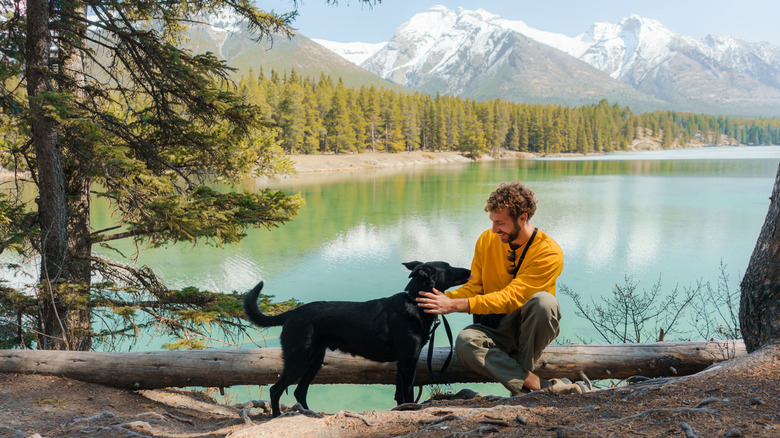
Spending time in nature can be a wonderful bonding experience for dog owners and their pups, and where better to enjoy incredible scenery and hiking than in America's national parks? While many national parks allow dogs, each may have its own rules, and it's important to know them to have the best possible experience. Luckily, to help, the National Park Service has created the BARK Ranger program.
This handy acronym stands for: Bag your dog's waste; Always leash your pet; Respect wildlife; Know where you can go. These four rules are the foundation of bringing any pet into a national park, where preserving nature and wildlife are of paramount importance. Abiding by them is also important because federal regulations provide clear guidelines for pets in national parks. This includes keeping your dog leashed on a lead no longer than 6 feet in length and ensuring your dog does not create noise disturbances that may negatively impact other park visitors and wildlife.
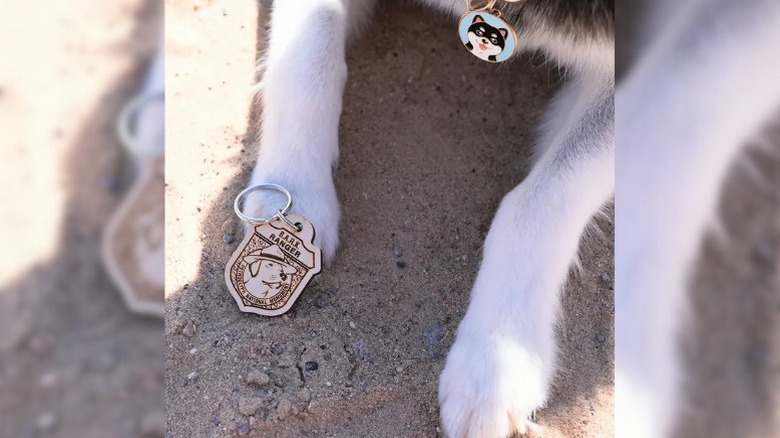
However, more than just a set of rules, the acronym is a program designed to help people and their pets have a better experience in parks. In some parks, being a BARK Ranger simply means following the rules, while in others it can involve a short training program or completing an activity booklet with a park ranger. In many cases, this also earns your pup the right to purchase a special BARK Ranger tag for their collar. Some of them are even personalized for the park, which makes a wonderful keepsake.
Why sticking to BARK rules matters
Adhering to the principles of BARK is important for your dog's safety and for the wildlife that call the national parks home. Smells from domestic pets, including waste left behind, can alter the behavior of wild animals, making it paramount that owners are aware of their dogs and take care to clean up after them. At the same time, national parks can also be home to snakes, mountain lions, or other animals that may harm your dog. These are just some of the reasons that animals should always be leashed and never left unattended.
An incident in 2018 at Acadia National Park proves why it's so important to stick to the rules and keep your dogs leashed, no matter how well-behaved they are. Unfortunately, two young North American river otters were killed by dogs that were off-leash while visiting the Isle au Haut. While dogs love to run and have fun, their hunting instinct can easily kick in and put native wildlife at risk, as shown by this incident, which is why leash rules were put in place. The results can also be tragic, as one dog died in 2021 after jumping into a thermal hot spring in an area where pets are not allowed in Yellowstone National Park.
Adhering to BARK regulations not only keeps your animal safe, but you will also demonstrate to others that dogs can respectfully share in and enjoy all that America's national parks have to offer. Just make sure to pack all the essentials your dog will need, including a doggie emergency kit from Amazon, and you'll be ready to become a BARK Ranger and collect your custom tag.
Dog-friendly national parks for your next visit
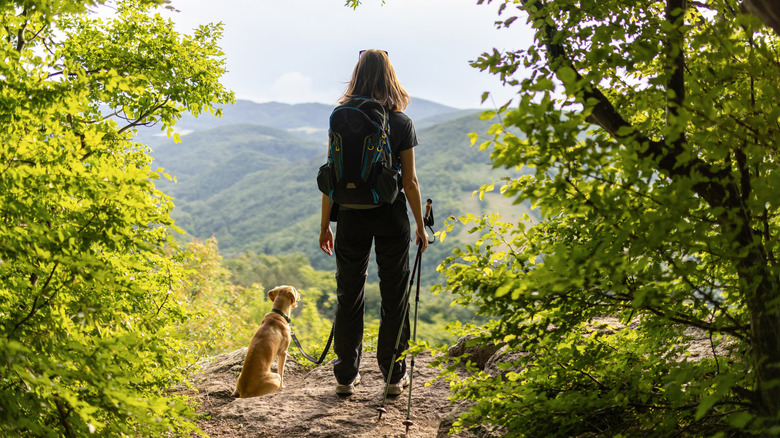
The National Park Service website has a list of the parks and national monuments that participate in the BARK Rangers program, and an enthusiastic group of Rangers has put together a helpful Google Map of sites across the country. When selecting a park to visit, be sure to review all the information before arrival, as many parks allow dogs but only in limited areas. For instance, Denali National Park does permit dogs, but they are limited to just two hiking trails. However, there are plenty of options for dog-friendly national parks that will allow your dog have a more extensive hike and really enjoy the grounds.
Acadia National Park in Maine is not only one of America's most popular national parks, but it's also one of the most welcoming to dogs. The scenic park has 100 miles of hiking trails and 45 miles of carriage roads where leashed dogs are permitted. Dogs are also allowed at three different campgrounds and can visit the Isle au Haut for day hiking. Well-behaved pets are even allowed on the park's free Island Explorer bus, making it a truly exceptional place to bring your dog.
Two other pet-friendly parks are South Carolina's uncrowded Congaree National Park (with one of the world's tallest tree canopies) and Ohio's Cuyahoga Valley National Park. Dogs are allowed on all trails, boardwalks, and campgrounds at Congaree National Park to take in the incredible hardwood forest, while over 100 miles of hiking trails await them at the scenic Cuyahoga Valley National Park, with stunning rock formations and a spectacular overlook. By researching and selecting your destination carefully, you and your four-legged friend will be in for a wonderful adventure.