
The State With The Cleanest Tap Water In America Is A Vibrant Vacation Destination
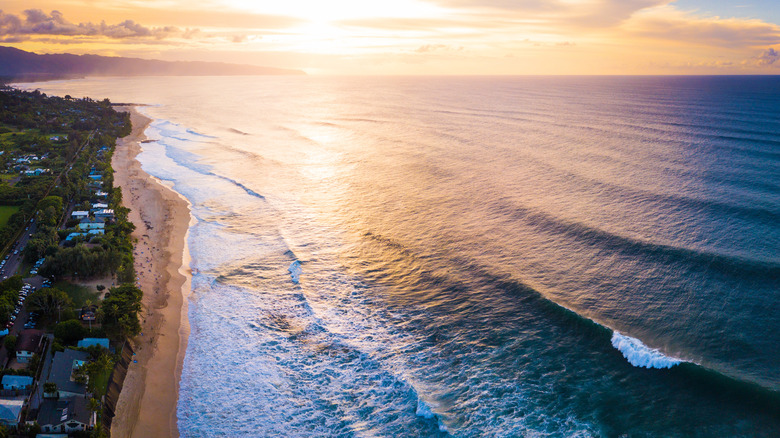
"Can I drink the water?" This question comes up again and again, no matter where we travel. You don't have to be picky to worry about toxins and parasites, and even a funky taste can put travelers on edge. Tourists from the U.S. are particularly careful in old cities and developing nations; indeed, a common drinking source like tap water can quickly ruin a Caribbean vacation. Yet it's perfectly possible for Americans to drink bad water in their own country: A study by the Centers for Disease Control reported that seven million people are affected by waterborne diseases each year, and a portion of this comes from old and defective pipes. While most faucets and water fountains in the U.S. are perfectly safe for most users — thanks to the Clean Water Act of 1972 — risks still exist.
There's one place you probably don't have to worry: Hawaii. According to U.S. News & World Report, the Aloha State provides the cleanest drinking water in the country, beating out top contenders like Massachusetts and Tennessee. Most people can run a kitchen faucet, fill a glass, and drink it down without a second thought. No need for Brita filters or fancy ultraviolet light, as your odds of swallowing bacteria or bad chemicals are extremely low. This should come as a relief to travelers who like to cook in their Airbnbs or save money on bottled water. Although it does beg the question: Why would these islands in the middle of the Pacific outrank the 49 states on the mainland?
Explaining Hawaii's clean water – and some caveats
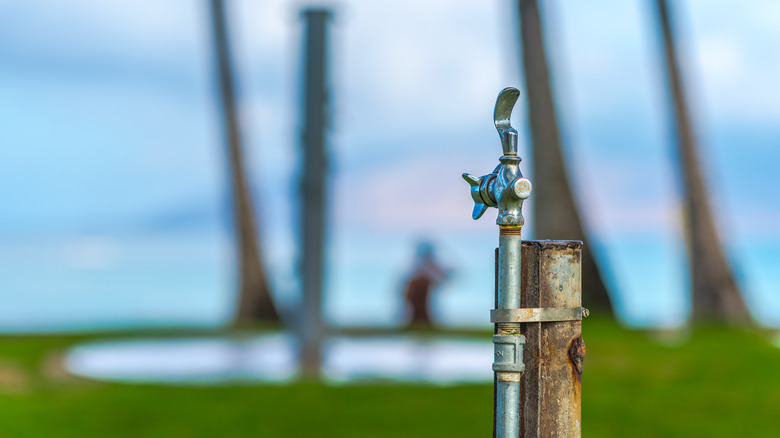
There's no single reason Hawaii boasts exceptional H2O, and there are plenty of reasons the drinking water on an isolated, tropical, volcanic island chain wouldn't pass muster. Yet according to Oahu's Board of Water Supply, most supplies are drawn from groundwater — instead of rivers and reservoirs exposed to the elements — and local geology helps keep it pure. "This water is among the cleanest anywhere," the board asserted in a post on its website, "having been purified through years of percolating downward through soil and volcanic rock. It is the source of water for many wells and springs." The news site Honolulu Beat echoed this sentiment in an op-ed: "Hawaii's tap water is some of the best quality drinking water around. It is rainwater that is naturally filtered through underground porous volcanic rock for about 25 years before it reaches aquifers."
No water supply is perfect, and some Hawaiians do have concerns. Rainfall has apparently diminished in recent years, and the islands experienced a newsworthy water shortage in 2021. This is a major problem in a tropical climate, where hydration is paramount. And visitors shouldn't be overconfident: Spigots are very separate from the ocean all around, and popular spots like Kahalu'u Beach have a high bacteria rate, though tourists keep flocking to it. Many travelers will err on the side of caution and buy bottled water, no matter how great an aquifer's reputation or the environmental impact of single-use plastic bottles. So, before choosing your next beautiful snorkeling destination in Hawaii, do your research and consider your water source as part of your planning.