
5 Southern Cities Where The US Dollar Goes The Furthest
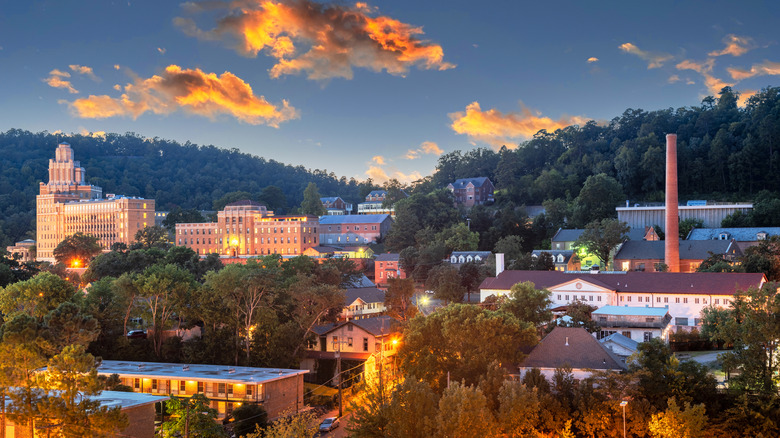
It's no secret that traveling in the U.S. usually comes at a hefty price, and even budget options can add up fast compared with vacationing abroad. Heading south during winter is a familiar hack for northerners escaping the winter blues, but popular destinations often surge in price during peak season.
Thankfully, there are southern cities where the U.S. dollar stretches further than in pricier locales such as Miami or New Orleans. These five destinations offer memorable experiences and amenities at prices below the national average, according to the Missouri Economic Research and Information Center (MERIC) Cost of Living Data Series and other local sources. In addition to lower living and accommodation costs, they offer plenty of free and low-cost attractions, including some of the region's most impressive national parks, and a handful of notable historical landmarks.
Some of these budget cities offer adrenaline-pumping activities like white-water rafting, while others let travelers kick back and soak in mineral-rich thermal springs. There's a surprising amount of diversity in these affordable regions, too, and they all come with comfortable lodgings, unique attractions, and a lower price tag than a traditional trip to the Deep South. For this list, we used insights collected from local city data, tourism boards, and real visitor feedback.
Gulfport, Mississippi
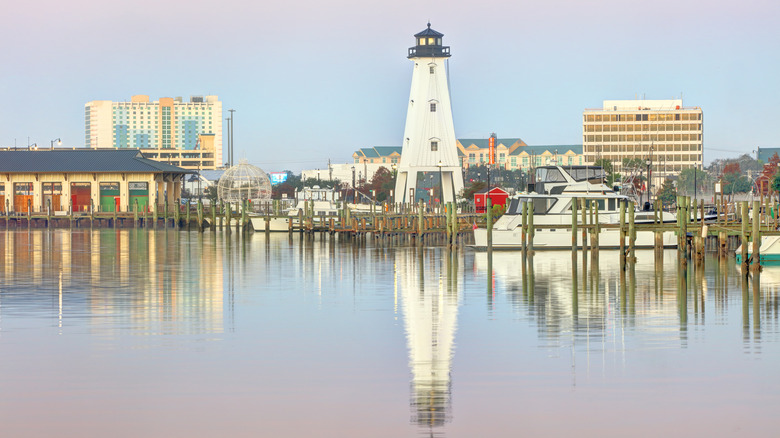
Mississippi's cost of living is 12% under the national average, according to MERIC'S Cost of Living Data Series. A lesser-known gem within its borders is Gulfport, a coastal escape with proximity to beaches, entertainment, and well-equipped accommodations. Per Apartments.com data, Gulfport's cost of living is about 15% below the national average, and additional savings are passed on to travelers and residents, with food 4.6% below the average, and transportation 7.7% lower. An affordable meal averages $18.50, and a bus or train ride costs around $3, so it's easy to eat and get around town without breaking your budget.
The average cost of a hotel room ranges from $123 to $146 as of this writing, with rates often dropping in January, and there are plenty of beachfront properties within this range. The beach is the star attraction, with Gulfport Beach's free access and free parking, offering calm waters, white sands, and the Bert Jones Yacht Basin, a public marina for visitors and residents with vessels that need parking.
Family-friendly tourist attractions include the Gulfport Art Center, Gulf Islands Waterpark, and the Mississippi Aquarium. A visitor on Tripadvisor noted that the aquarium is "always growing, adding habitats and creating hands-on experiences for their guests. It is an inside and outside experience." Gulfport is also a popular departure point for ferries to neighboring barrier islands, sunset dinner cruises, and dolphin-watching trips, offered by outfitters like Ship Island Excursions.
Knoxville, Tennessee

Life in Tennessee is about catching musical notes drifting out of open bar doors, watching fog form in hardwood-filled forests, and hiking through crisp, cedar-scented air. It marries Southern culture with big nature, and the statewide cost of living sits roughly 10% below the national average. But affordability varies from city to city, and sought-after destinations like Nashville can get expensive during high season.
For travelers who want to tap into Tennessee's vibrant pockets at a fraction of the cost, Knoxville strikes the balance. The city rewards visitors with panoramic views of the Smoky Mountains, valley-cradled river hikes, and long star-dappled nights at venues like the Tennessee Amphitheater in World's Fair Park. Visitors also enjoy local attractions such as the The Knoxville Zoo, the Women's Basketball Hall of Fame, and riverboat rides along a scenic stretch of the Tennessee River. The Knoxville Zoo is a family favorite and occasionally offers reduced-admission days to keep costs down.
Knoxville's average cost of living is 14% below the national average, making it even more affordable than the statewide metric. Additionally, Apartments.com data shows that groceries cost 1.22% less than the U.S. average, transportation is 12% less, and healthcare is a significant 19.4% less, ideal for travelers who need affordable access to medical facilities. Hotel prices range from $149 to $208 per night, and rates drop by up to 24% in August. A budget restaurant meal costs $19 on average, and a bus or train ride can be as low as $1.
Hot Springs, Arkansas
Hot Springs is more than a sleepy southern town. Its history includes a period of illegal gambling and organized crime that earned it the nickname "the Las Vegas of the early 20th century." These days, visitors are drawn to the Hot Springs National Park, the city's historic bathhouses, and a tourist-friendly downtown strip, nestled in the Ouachita Mountains. Arkansas is 11% below the national cost of living, and Hot Springs' is 7.4% lower, making it a great choice for budget travelers. Dining is relatively affordable, with a modest meal per person.
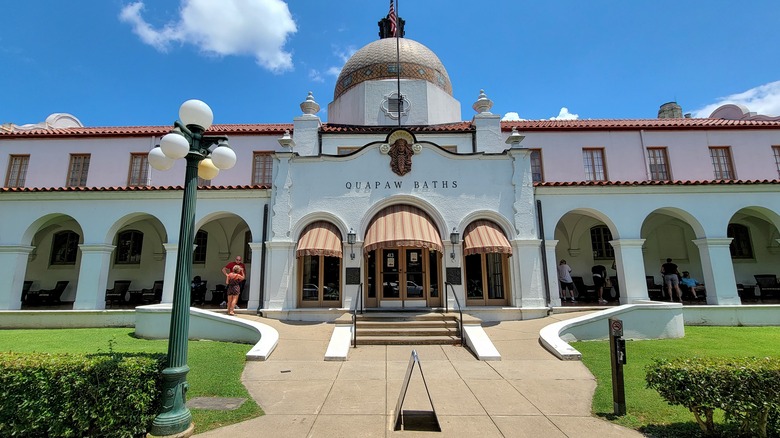
Hotel rates generally range from $100 to $174 per night, with the lowest rates surfacing in December. Winter tourism hits the sweet spot between maximum affordability and activity, with cooler hikes followed by rewarding soaks at Quapaw Baths & Spa, which holds temperatures between 94 and 104 degrees Fahrenheit.
Visitors can also enjoy the historic town center, dotted with buildings dating back to 1886 and set against the backdrop of Hot Springs National Park, which is free to enter. Galleries, bookstores, and restaurants line the main strip, all within walking distance of popular accommodations like the Happy Hollow Hotel. The laid-back city offers plenty of southern charm at a lower cost, making it a strong fit for those seeking a blend of small-town culture and big nature.
Mobile, Alabama

Mobile, Alabama, holds the distinction of being the first city to hold a Mardi Gras celebration, with the first official event documented in 1703, making the town the secret mecca of carnival parade culture. Since then, the town has flourished into a tourist destination with popular attractions like the Mobile Carnival Museum and the Historic Oakleigh House Museum. Best of all, these cultural hotspots are affordable: the Mobile Carnival Museum costs $6 to $8 per person, and the Historic Oakleigh House Museum costs $5 to $12 per visitor. For those visiting for a longer stay or embracing a southern road trip, a Gulf coast getaway is situated just 60 miles from the city.
Those visiting Mobile can save a significant amount of money on a trip compared to other popular coastal retreats, as the state's cost of living is 11.5% below the national average. Mobile itself is 8.5% lower than the country's average, reflected in both residential and tourist rates. Hotel costs range from $100 to $198 per night, depending on seasonality, and November typically offers the lowest average accommodation prices.
To save even more money, consider affordable options like a sunset stroll on the free-to-visit Cooper Riverside Park, perched on the edge of Mobile's downtown, or exploring the Colonial Fort Condé at the History Museum of Mobile. Whether you're a nature lover or a history buff, make sure to take time to try the cuisine, a reflection of British, French, African, and Spanish influences. While meals are a bit more expensive than in other cities on this list, a casual restaurant visit totals $24.50 per diner on average.
Fayetteville, West Virginia
Fayetteville may not be a conventional Southern getaway, but the small town of about 2,700 residents offers charm and a strong community spirit, with events like Gnomevember, the Gingerbread Festival, and Fayetteville's Wizard Weekend highlighting the creative quirkiness of the region.
The town stretches your dollar with some of the lowest overall costs in the country. According to RentCafe, West Virginia's cost of living is 15% lower than the national average, and the city of Fayetteville is 8% below, making it an affordable destination for budget travelers and locals alike. Hotels, on average, range from $140 to $243 each night, with October bringing in the lowest rates, about 21% more affordable than high season months. Meals are significantly lower than in other tourist destinations, with the cost of a casual restaurant meal averaging just $16.50 per course.
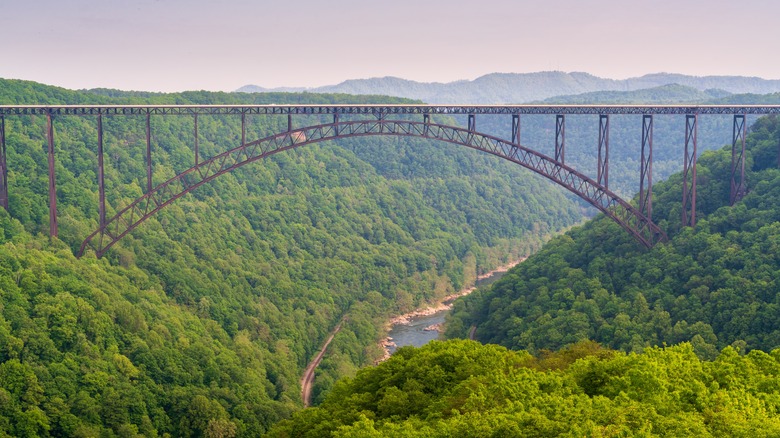
Fayetteville's tourism board aims to make a visit to the forested town as stress-free as possible, offering customized itineraries for shoppers, history buffs, nature lovers, and multigenerational families. Affordable highlights include the 70,000-acre New River Gorge National Park and Preserve, river rafting, and zip-lining for adventure seekers. For cultural enrichment without the price tag, tour downtown and stroll by 75 well-maintained historic buildings that take visitors back to Fayetteville's 19th-century roots in the Fayetteville Historic District. Additionally, creative travelers can enjoy free programming and exhibits at the Love Hope Center for the Arts, including concerts and local community theater presentations.
Methodology
The featured southern destinations were meticulously vetted with a variety of recent, direct sources. We carefully considered official data on the cost of living relative to the U.S. national average, alongside personal insights from residents and visitors. Historical and cultural information was sourced directly from the most up-to-date tourism board articles and databases, offering a locals-first perspective of each city.
Hotel pricing was sourced from Kayak's booking insights, which aggregates pricing data from a large set of accommodations and platforms in real-time. Information regarding natural attractions such as national parks and scenic byways reflects data found on their respective city, state, and national service sites. This research methodology ensures the most accurate information for readers planning a budget trip or relocation to the South.