
Nestled In Ohio's Edge Of Appalachia Is A Hidden Prairie With Dozens Of Unique Plant Species
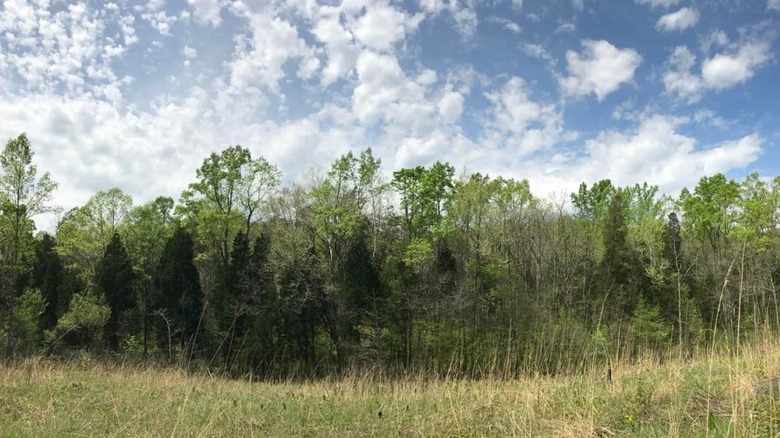
The Midwest is associated with plains and endless wheat and corn fields, earning it the epithet, the "breadbasket of America." But the 20,000-acre Richard and Lucile Durrell Edge of Appalachia Preserve System, usually shortened to "the Edge," is a region of immense biodiversity. Forested hills webbed by babbling streams and waterfalls, magnificent rock features and dolomite cliffs, and the hidden Lynx Prairie awash in wildflowers and rare plant species — all are found within the Edge's sumptuously pretty confines.
Just 75 miles east of Cincinnati, a city with some of the most spectacular street art in America, the Edge harbors all manner of wildlife, including green salamanders, Allegheny woodrats, endangered freshwater mussels, woodland songbirds, and 1,200 species of plants, around 100 of which are considered rare. The Lynx Prairie, a 42-acre stretch of grasslands, was the first preserve to be established in the area in 1959. From this humble beginning, the sprawling Edge of Appalachia was born. Officially called the E. Lucy Braun Lynx Prairie Preserve, it was named after the eponymous 20th-century botanist, who used to study the flora here. It's still one of the best places in Ohio to see native plant species.
Walk along the trails connecting the Lynx Prairie grasslands — sometimes called "cedar barrens" — and discover the bewitching species that thrive here. Grasses, including little bluestem and purple three-awn, both shaded with their namesake colors, sprout from the soil. In summer, you might see crested coralroot, a strange orchid that grows underground but sometimes shoots upwards with its yellow and purple livery. The trails themselves are shaded by towering red cedar and Virginia pine trees. The Lynx Prairie is bucolic at every turn, rightfully earning a National Natural Landmark designation in 1967.
Wildflowers in the Lynx Prairie
The Lynx Prairie sits next to the small community of Lynx, known for its Appalachian views and wild mountain foothill trails. Fittingly, a series of three interconnected trails, known individually as the Red, White, and Green, loops the Lynx Prairie. Their combined length is only 1.3 miles, with virtually no elevation, so the stroll around the area is a casual one. This gives you more time to admire the species that have made their habitats here, whether it's the wildflowers that shoot up in spring or the tufts of wild grasses, most prominent in summer and early fall, that enjoy the shallow soils and nutrient conditions resulting from the dolomitic bedrock.
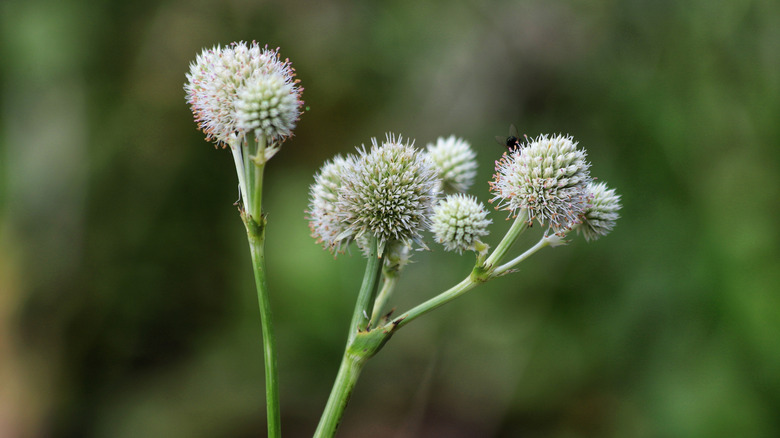
Alongside colorful grasses and crested coalroots, you'll discover unique flowers with extravagant names, from the pretty American bluehearts to spiky-headed rattlesnake masters and the subtle yet elegant Michaux's gladecress, a herbaceous and eccentric-looking plant known as a scaly blazing star, and the Ohio-rare shrub rusty blackhaw. You'll also find hardy ferns and flowering columbines jutting out from the nooks and crannies of the dolomite outcroppings, and among it all, beautiful butterflies such as swallowtails and great-spangled fritillaries fluttering about. It's easy to see why E. Lucy Braun and her entomologist sister Annette used to frequent this place in pursuit of their studies.
Visiting the Lynx Prairie
The Lynx Prairie trails are clearly indicated by a signboard at the trailhead, which also offers some information on the area. Access is free, but because this is a nature preserve, there are some ground rules you must follow. Dogs (excluding service animals), bikes and off-road vehicles, horseback riding, camping, cooking and open fires, and hunting and foraging are all forbidden. There are also no facilities on the trails, but given they're a little over a mile long, that shouldn't pose many issues.
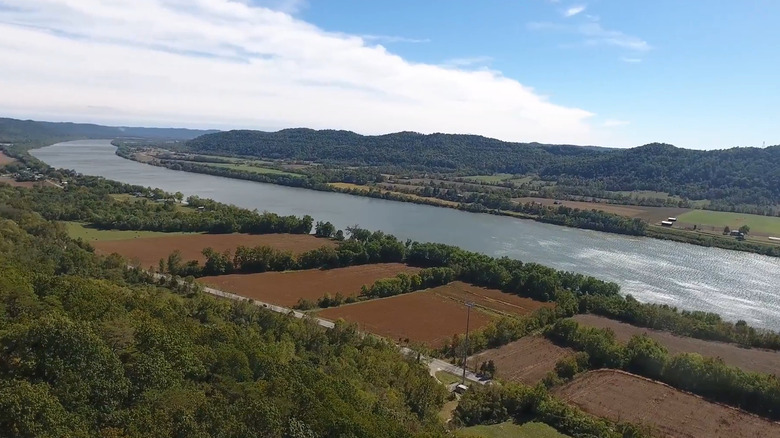
If you plan on exploring the Lynx Prairie, you can also budget time to explore other protected areas in the Edge of Appalachia system, whether it's the Buzzardroost Rock Preserve and Trail, where you'll get some of the best views in Ohio, or the John and Marion Becker Cedar Falls Preserve and Helen C. Black Trail, leading to a collection of dramatic waterfalls. You're also on the doorstep of Pike County, Ohio's "Appalachian Gateway," where you'll find state parks, river activities, and towns like Waverly and Piketon — both around an hour's drive from the Lynx Prairie — with hotels, inns, and Airbnbs offering accommodation.