
Here's What TSA Really Does With Items Left Behind At Checkpoints
Getting through security checkpoints at U.S airports can be a hassle. Even though the Transportation Security Administration (TSA) is finally phasing out one of its most annoying airport security checks — the dreaded requirement to take off one's shoes — travelers still may need to remove jackets, ensure that liquid items don't exceed the 3.4-ounce limit, and take larger electronic devices out of their bags, depending on the location. Given all of this, it's easy to accidentally leave something behind on the other side of the X-ray machine, leaving you to wonder — what does the TSA really do with items left behind at checkpoints?
Great question, especially considering that nearly 100,000 personal items are left behind at TSA checkpoints every month. According to the administration's website, any belongings left are held for at least 30 days or until they're successfully reclaimed by their owners. TSA agents turn over these items, typically at the end of the day, to the airport's Lost and Found area. Every U.S. airport has one, and you can find its contact information by searching the TSA's online directory. You can also file a claim online if you lose any personal items during the screening process, and the more detail you can provide, the more likely you'll be able to recover them.
There are a few exceptions to the general rules, however. If you leave behind a form of ID, and it's not claimed within 30 days, the document will be destroyed. Forgot your laptop? After 30 days, if it's not claimed, electronics will be wiped clean of personal data (to protect its original owner) or destroyed.
How to reclaim your ID or electronic device
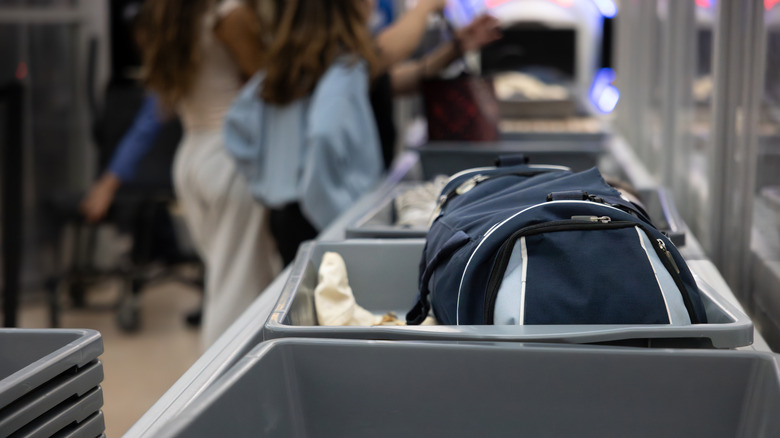
What can air travelers do to minimize the risk of leaving something behind at security? First, take your time: after clearing the TSA checkpoint, be sure to collect all of your personal belongings. Safely store your ID, put your jacket back on, and make sure your electronic devices get back into their bags. Find out more must-know dos and don'ts for getting through airport security, according to the TSA.
Second, label your most valuable items. The TSA suggests that passengers put contact information on their electronic devices, which will make a laptop, Kindle, or smartphone easier to identify. And third, do not take off your small jewelry and put it in the bin. Most jewelry items are unlikely to trigger the TSA's body scanners anyway.
If you leave something behind, don't panic, but know that time is ticking. "TSA makes every effort to reunite passengers with items left behind at the airport checkpoint," the website says. "If not claimed, [they] are either destroyed, turned over to a state agency for surplus property, or sold by TSA as excess property." One way that left-behind items at an airport are sold, unbeknownst to many travelers, is at a "lost luggage auction." Also known as "suitcase gambling," it involves blind bidding on a suitcase that may or may not contain valuable objects. The agency clarifies that the state, not the TSA itself, keeps any profits derived from sales.