
5 Go-To Places To Take Friends When They Visit Pittsburgh (That Won't Break The Bank)
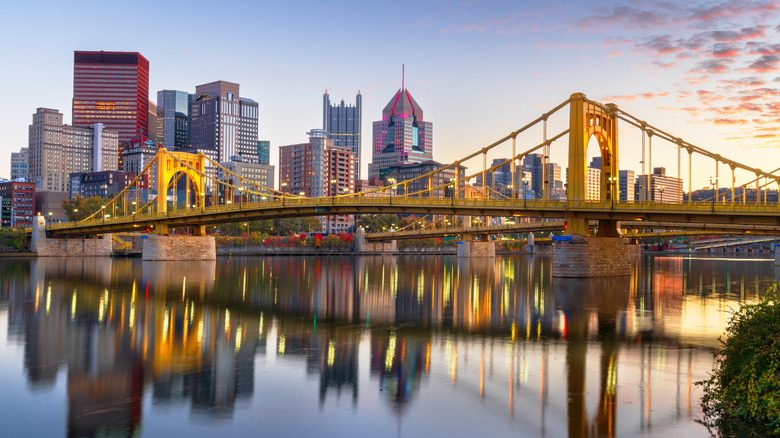
Pittsburgh, Pennsylvania, may very well be the reigning champion of comeback cities. With its many colleges, world-class sports teams, cutting-edge medicine, and ever-growing restaurant scene, the Steel City astonishes many first-time visitors. It wasn't long ago that Pittsburgh was perceived as a crumbling backwater, just another tragic victim of Rust Belt neglect. During the 16 years I lived there, I watched the city transform. Abandoned buildings were repurposed. Small businesses sprang up in sleepy neighborhoods. Art galleries and independent bookshops took root, and so did local creatives. A feisty population has labored to build the city back, restoring its status as "The Paris of Appalachia."
But success comes at a price — literally. Back in the early 2000s, spending time in Pittsburgh was dirt-cheap, thanks to low prices on food, drink, and entertainment. A filling lunch might cost $5 or $6, and you could buy a pitcher of beer with couch money. The economics have noticeably changed since then. I visit about once a year, and each time the prices seem to climb. Instead of refillable cups of coffee at weird little cafes, friends recommend brunch spots in neighborhoods I used to dread. Once ragged streets look cleaner and fresher every day, but the diners and dives I once frequented are vanishing one by one.
So, supposing you're visiting frugal friends in Pittsburgh, or you're traveling there as part of a penny-pinching group — where do you go? What unique activities can you find that won't break the bank? These are some of the main places I — and many current locals, as evidenced by threads on Reddit, travel blogs, and more — would take friends for activities that won't overtax your bank account, especially if they're visiting the city for the first time.
The Golden Triangle
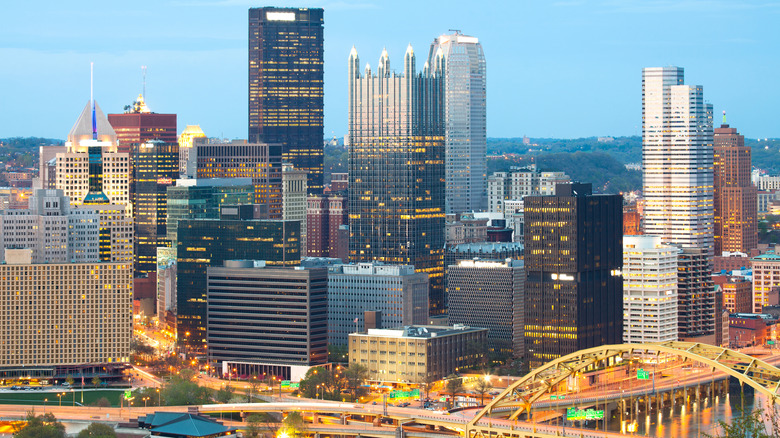
Pittsburgh was founded at the confluence of the Allegheny and Monongahela Rivers, right where they combine to become the Ohio River, which flows a further 981 miles. The arrowhead shape of Downtown Pittsburgh is poetically described as "The Golden Triangle" and includes the many bridges and skyscrapers of its central business district. Downtown used to fill up in the day and empty at night, but this has changed dramatically in recent decades. The Pittsburgh Cultural Trust has filled these urban blocks with art galleries, theaters, and the August Wilson African American Cultural Center, a beautiful modernist structure named after Pittsburgh's most famous playwright.
Culturati could spend a small fortune on tickets to the Pittsburgh Opera and touring Broadway shows, but many of the area's institutions are actually inexpensive or free. SPACE Gallery and Wood Street Galleries stand about a block apart from each other, and both are havens for innovative art installations. Nearby is the Arcade Comedy Theatre, a little black box devoted to standup, sketch, and improv, where tickets typically cost about $15. Small wonder, then, that this revitalized downtown in America's one-time steel capital is considered "criminally underrated."
In the warmer months, Point State Park is a beautiful place where you can just walk around. The fountain fires jets of water in the air while families and friends picnic on the green lawns. You can see the scattered remains of two different strongholds, Fort Duquesne and Fort Pitt, and admire the slopes of Mt. Washington across the Monongahela River. Multi-use trails converge here, to the delight of walkers, hikers, and cyclists.
Oakland
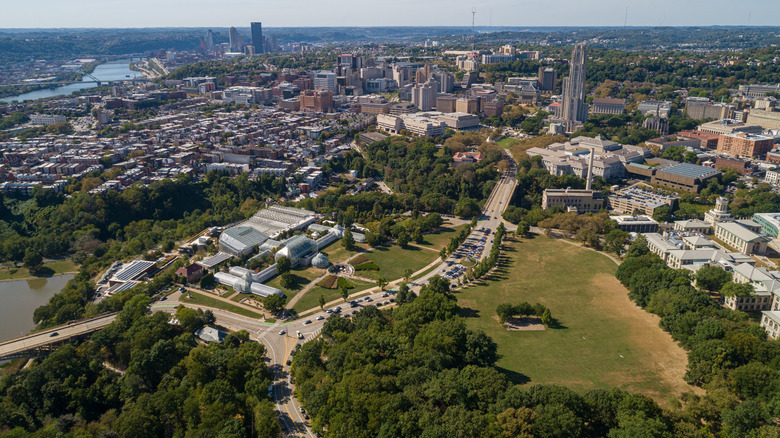
Pittsburghers take great pride in the city's 90 distinct neighborhoods, so much so that a popular T-shirt bears a stylized map of the region with all their names. Call me biased, having graduated from the University of Pittsburgh, but I would still say Oakland is the true heart of the city. This district is central, diverse, and action-packed. Its centerpiece is the Cathedral of Learning, a 42-story Gothic tower composed of sandstone blocks. I still consider this one of the most beautiful buildings I've ever seen, and visitors can enter its stone-vaulted Commons Room or walk its grounds without paying a cent.
If you and your buddies are trying to keep costs low, Oakland is a smart destination. While the many bars, cafes, and restaurants cater to undergraduate wallets, their culinary diversity is impressive. Oakland is also full of public spaces, which are a panacea on sunny days. Schenley Plaza stands across from the Cathedral, and you'll find global eateries, open bistro tables, and a working carousel. A little farther down the road, visitors can lose themselves in Schenley Park, a 456-acre urban green space with trails, bike paths, water features, and, my personal favorite, an 18-hole disc golf course.
Many visitors to Pittsburgh decide to stay in or around Oakland. Hotels generally cost between $100 and $150 per night (as of this writing), which isn't a steal, but the location is hard to beat. If you're hoping to avoid renting a car, Oakland is also a hub for many major Port Authority bus lines.
The North Side
The North Side is Pittsburgh's sleeper hit. Sports fans recognize its skyline from the district's two stadiums, PNC Park and Acrisure Stadium (although it will always be Heinz Field to me). The North Side is also packed with popular destinations, like the Carnegie Science Center, the Andy Warhol Museum, the Children's Museum of Pittsburgh, and the National Aviary. All of these are fantastic places to visit and worth the price of admission.
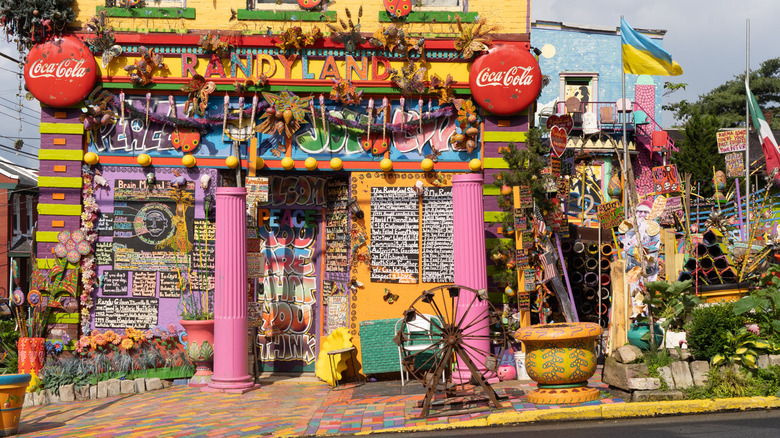
If you're on a budget, the North Side is also just an attractive place to walk around. A favorite area is known as the Mexican War Streets, a quirky, walkable district full of eclectic art and early American history. Colorful row houses stand shoulder-to-shoulder, leaving just enough space for alleys and stretches of brick sidewalk. If you explore deep enough, you're likely to stumble into Randyland, a hallucinogenic art installation built into a corner residence (pictured above). Admission to this cartoon-like funhouse is free, although donations are encouraged.
A favorite final stop for budget-conscious visitors is the North Shore, a sprawling walkway with views of Downtown and the most beautiful sunsets in the city. High-rollers may be tempted by the nearby Rivers Casino, but you can also content yourself with a visit to the Mister Rogers Memorial, which honors the late PBS icon. Take an evening stroll during a Pirates game at PNC Park, and you're likely to catch a free fireworks show.
The Strip District
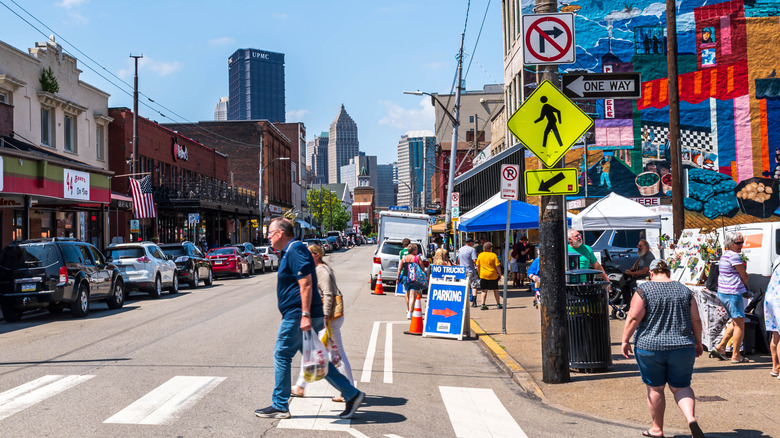
Pittsburgh stood at the forefront of the Industrial Revolution, and the Strip District was one of its epicenters. You can still see the brick warehouses and old railroad tracks where products were stored and shipped. The Strip District really is a long, narrow strip of land between the Lawrenceville neighborhood and Downtown, paralleling the Allegheny River for about two miles. The area is relatively flat, and locals love to park their cars on one of the side streets and walk around for hours, enjoying the vibrant neighborhood's selection of ethnic eats, converted warehouses, and unique markets. Lots of vendors sell Pittsburgh paraphernalia from their shops and stalls, so it's a great place to pick up a Terrible Towel (a favorite tchotchke for Steelers fans) and a few T-shirts declaring "YINZ," the local version of "youse" or "y'all."
But you don't have to spend much to enjoy the Strip District's ambiance, where the wide streets and communal atmosphere are well suited to groups. One of my favorite institutions is Wholey's Fish Market, where you can find a wide range of seafood and other items, as well as Lotus Food Company, the city's best Pan-Asian market. These are great places to window-shop and people-watch, and you can walk out with a can of mango juice or a jar of Wholey's-brand "wing dust" for seasoning chicken wings once you get back home.
The Strip begins just a short distance from both Union Station and the Greyhound Station, so travelers who take the bus or an Amtrak train often kill time here during daytime layovers. You could certainly spend some cash here, too, as the Heinz History Center and Clemente Museum are well worth a visit, but the Strip is also perfect for just milling around.
The South Side
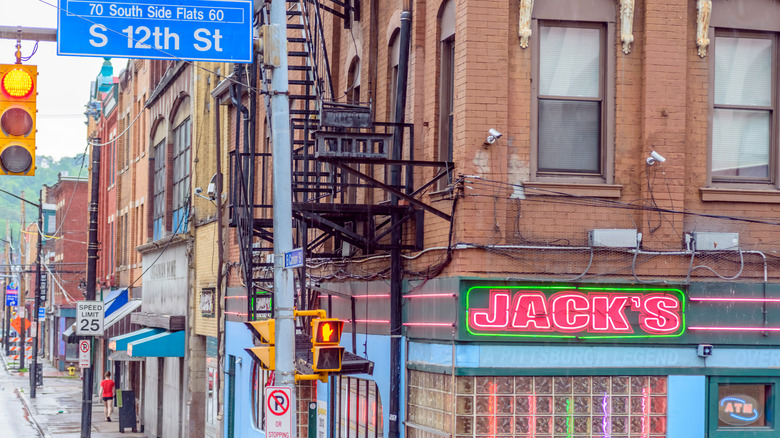
The South Side of Pittsburgh lies just across the Monongahela River from Oakland and Downtown, close enough that you can drive across one bridge or another in less than two minutes. Yet despite their proximity to the rest of the city, you may feel like you're entering a different world. South Side is the city's unofficial party district, and these streets are packed with pubs and restaurants. Thousands of people congregate along Carson Street — the main drag — every Friday and Saturday evening, and the atmosphere can get rowdy as the night thickens.
When I first moved to Pittsburgh in the late 1990s, "South Side" was a boomerang-shaped clump of businesses and row houses that stretched a little over a mile from the Birmingham Bridge to the Liberty Bridge. Development over the decades has expanded the neighborhood to include Station Square, a converted train station and entertainment complex, as well as Southside Works, an upscale commercial development with a Hofbräuhaus beer garden and REI outfitter.
These flashy new developments have probably raised prices over the years, but they've also given visitors far more options; on warm days, you can bike along the South Side Riverfront Trail or nurse some coffee at a neighborhood cafe. The district currently boasts more than 80 bars and uncountable happy hour deals, so if you and your friends are jonesing for a drink, this is an affordable place to find one.
Methodology
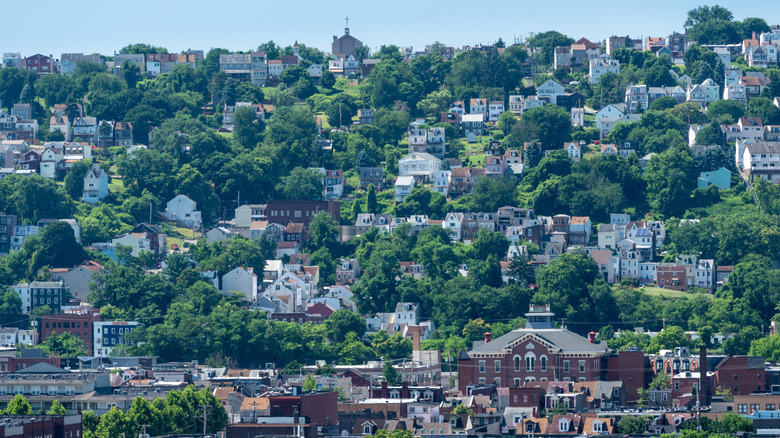
Pittsburgh is a never-ending source of inspiration for me, and I'm always eager for a visit. As a natural skinflint, I always look for bargains wherever I go, and these are the neighborhoods that have always served me well. For folks who are better acquainted with the city, there are definitely many runners-up; Bloomfield and Friendship are great (and still-thrifty) places to wander around, as are parts of Regent Square and other nooks. But the neighborhoods listed above are by far the easiest to find and give you a lot of bang for your buck.
Many folks would seem to concur. The money-saving blog Yes And Yes recommends activities in most of the above neighborhoods, and the tourism nonprofit VisitPittsburgh maintains a list of free things to do in the city, many of which are located in the above areas. Reddit users also love the attractions I discussed, and numerous other online forums echo these sentiments as well.