
California's Surprisingly Historic City On Route 66's Western Endpoint Is A Top Centennial Celebration Spot
Route 66 is one of the most famous highways of all time, a name synonymous with scenic drives, roadside attractions, and small towns in the American heartland. It's a perfectly functional strip of pavement, and you could drive any part of its 2,000-plus miles just to get from Point A to Point B, but most people have a more romantic fantasy. We imagine exploring the country by car, just as generations of road-trippers have done before us. Jack Kerouac traveled Route 66 before writing "On the Road." The fictional Joad family migrated along this road in John Steinbeck's novel "The Grapes of Wrath." The TV series "Route 66" chronicled interstate adventures for four consecutive seasons. There's a lot of history here — and the time has finally come to celebrate.
2026 marks the 100th anniversary of Route 66, making it far older than many people realize. This is why America's iconic highway is a must-do road trip; commemorations will take place across the country and throughout the year, including festivals, caravans, car shows, and motorcycle rallies. Many travelers will drive the whole thing, from Lake Michigan to the Pacific Ocean. And what will they find at the western end? Santa Monica, California.
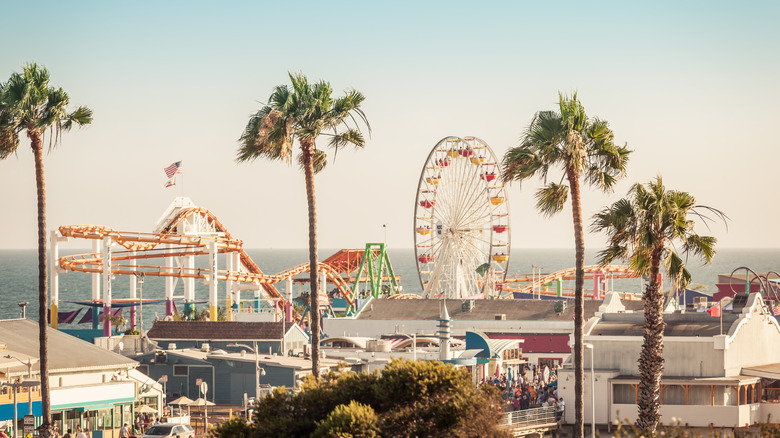
A sign at the famous Santa Monica Pier marks the terminus of Route 66, which makes the oceanfront city a great place to begin or end your journey; photographing yourself in front of it is a road tripper's rite of passage. While many dismiss greater Los Angeles as a place lacking rich history, Santa Monica begs to differ: This is a town full of preserved architecture, storied streets, and pastimes that date back to the late 19th century. In other words, this is a great place to get in the Route 66 spirit — and begin a century's worth of reflection.
Exploring Santa Monica's little-known past
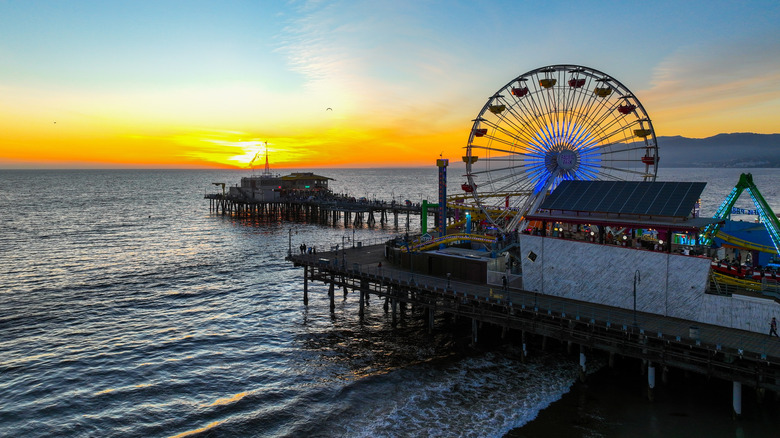
The pier is a natural place to start: This elevated wood platform extends 1,600 feet into the Pacific waters. The Ferris wheel and carnival games have a retro feel, but many visitors are unaware of just how old it is. The pier opened in 1909, followed by Looff Pleasure Pier, added in 1916, which introduced the amusement park amenities — long before the waterslides that now loop above the boardwalk. Curious weekenders may enjoy the pier's historical walking tour, which takes place Saturday and Sunday mornings and costs $25 per guest, at the time of writing.
History buffs have a lot more to see: The Santa Monica Conservancy maintains an exhaustive list of over 100 local landmarks, from craftsman bungalows to art deco office buildings. The Conservancy also lists regular walking tours, which shed light on Santa Monica's architectural evolution. Perhaps the most interactive piece of local history is the Aero Theatre, a storied cinema that first opened on Montana Avenue in 1940. With its old-school marquee and single auditorium, the Aero still screens a wide range of classic, foreign, and independent films.
To celebrate the centennial, Santa Monica is also hosting its own events. In June 2026, the Route 66 Centennial Caravan will start in Santa Monica before crossing half the country together, ending in Chicago. Anyone can join the 12 leader cars for any length of time. Additionally, musicians can enter the city's 2026 Route 66 centennial & song contest, composing odes to Route 66 for a chance at a $10,000 prize. It's a fitting tribute from a city that helped shape the spirit of America's most iconic highway.
How to get to Santa Monica and where to stay
The Route 66 sign is a major symbol, and if you've driven here all the way from Chicago, congratulations; you deserve a long walk on the beach. Conversely, you could start your journey from this point and head east, crossing Southern California on your way to Arizona and beyond. Driving is generally the way to go in Los Angeles, even if it means contending with the city's legendary traffic.
Then again, you could also fly to LAX, head to the airport's Metro Center (LAX/Metro Transit Center Station), then hop an express Big Blue Bus to downtown Santa Monica. You can take the Metro's K Line to the Expo/Crenshaw station, then hop the E Line to the Santa Monica station; this route will take you a little over an hour, but the light rail is among the cheapest ways to get around Los Angeles on your next vacation. Santa Monica's level streets are popular among cyclists and walkers, and it's more feasible than ever to visit this part of L.A. without renting a car.
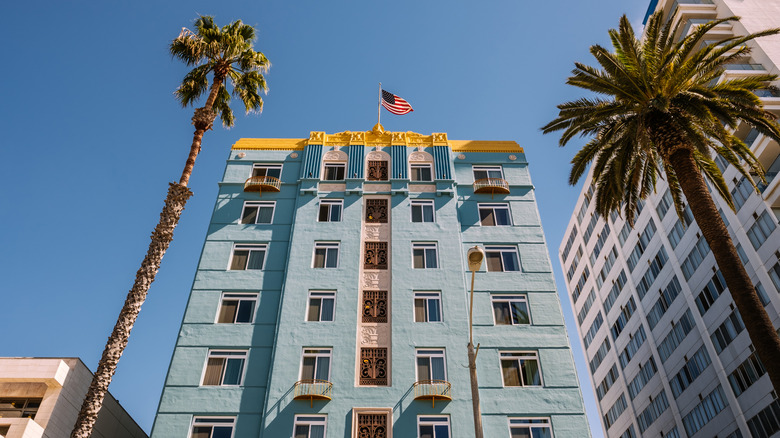
This tourist-friendly destination has dozens of hotels, but a standout for heritage enthusiasts is the Georgian Hotel, a turquoise-colored high-rise that has stood on Ocean Avenue since 1931. The deco-influenced aesthetic recalls early Hollywood, and it's fun to imagine Route 66's earliest drivers staying in one of these rooms. Another storied option is the Fairmont Miramar, Santa Monica's chic beachside resort with bungalows that are beloved by celebs.