
5 Abandoned Ski Resorts That Are Now Incredible Mountain Biking Destinations
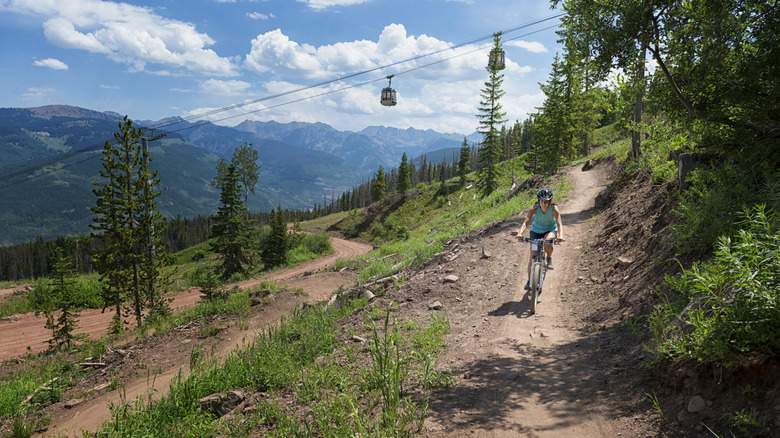
Here's a conversation starter: How many U.S. ski resorts would you guess have closed since the 1960s? Is it 20? How about 50? Would you believe the total number is 1,600? Just try to imagine that — massive recreation areas, covering whole mountains, closing down in huge numbers. The chair lifts stop moving. The restaurants stop serving. Hotels shutter. Stores and rental shops empty out their stock. Ski runs, painstakingly cut into sloped forests, are (literally) put out to pasture. This is actually a global problem – here are five once-thriving ski resorts that are now abandoned.
If all this sounds like a terrible waste, there's good news: Some of these resorts are being retrofitted as mountain bike (MTB) parks. This makes a heap of sense; skiing and mountain biking often benefit from the same terrain, albeit in opposite seasons. Since winter only lasts so long — and many believe rising global temperatures are ruining ski season — countless resorts are reinventing themselves as four-season destinations, which often includes building MTB trails. Slopes ideal for downhill skiing are often just as perfect for downhill mountain biking. As for closed winter resorts, MTB berms and chutes keep those former ski runs viable.
Below are five such places, which began as U.S. ski resorts and gradually evolved into mountain bike hubs. Each stands in a different part of the country, and they cater to varying styles and abilities. As a bonus, you may see old buildings and infrastructure that hint at the upscale getaways these estates used to be.
Mt. Telemark
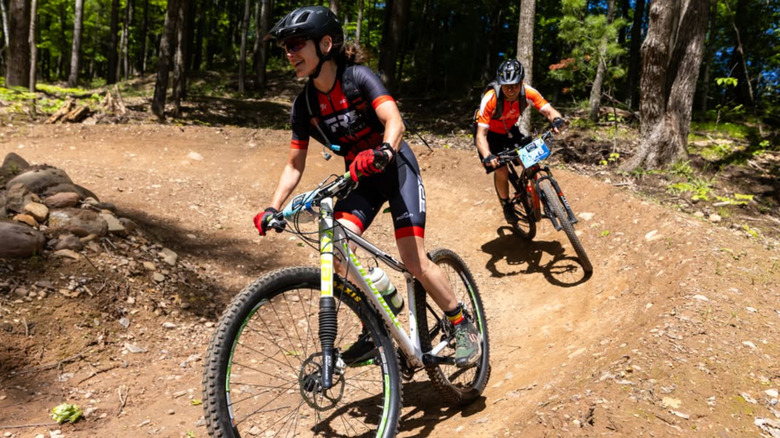
Wisconsin isn't exactly mountainous, yet the Telemark Resort opened in 1947 and became a popular destination for Midwestern skiers. Telemark's original rope-tows eventually became lifts, and the gentle slopes were perfect for both beginner downhill and seasoned cross-country skiers. Indeed, many may recognize the name "telemark" as a type of skiing, though the resort was named after the mountain it occupied. The business struggled financially for some years before finally closing in 2013. The new owner is the American Birkebeiner Ski Foundation, which redeveloped the property as the Mt. Telemark Village, where it hosts a massive cross-country ski event known as the American Birkebeiner.
In addition, mountain bikers can explore 16 miles of trails along Telemark Mountain. Route difficulty varies widely, and Telemark has won a lot of praise for its dynamic, beginner-friendly environment. Birkebeiner hosts numerous events throughout the year, from MTB races to training clinics, and you can even come out here in winter with fat tire bikes and roll over blankets of snow. Trek, the bicycle manufacturer, maintains the flow trails, and any visitor can ride them for free. The shoulder seasons are arguably the best time to visit; you can weave a stop into one of the five best drives to show off Wisconsin's range of fall foliage.
Marshall Mountain
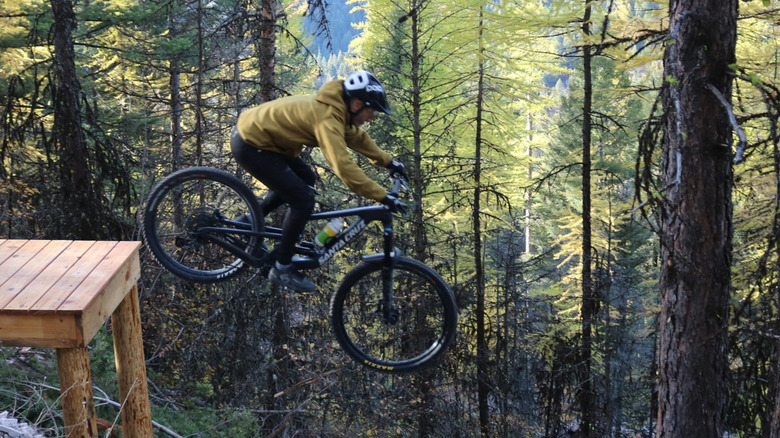
Skiing on Marshall Mountain, Montana, dates back to the Great Depression, and it became a major destination by the 1950s. The ski area — formerly known as Marshall Canyon — thrived for decades, until it finally succumbed to the usual financial and climactic pressures in 2002. Even today, though, backcountry skiers make their way to these piney flanks, and views of the surrounding highlands remain as spectacular as ever. Marshall Mountain is about 8 miles from downtown Missoula, or about 15 minutes by car.
In 2023, Missoula County purchased the 480-acre property and named it Marshall Mountain Park. A burgeoning singletrack network is becoming a haven for mountain bikers; trails like Bjorn Again and Hello Kitty snake their way through the woods and guide riders hundreds of feet down the former resort area. Marshall Mountain has also served as the setting for the Mullet Classic MTB race, though riding the trails on any other day is free and open to the public.
Pikes Peak Ski Area
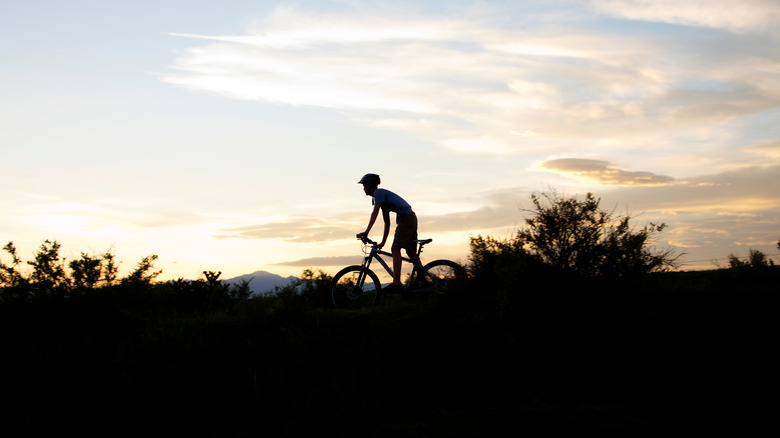
The Pikes Peak Ski Resort was an early casualty, having closed its doors in 1984. The resort had been open for decades, but unpredictable snow cover and rollercoaster attendance forced the business into the ground. Located about two hours south of Denver — about an hour west of Colorado Springs — Pikes Peak has become a popular destination for cyclists of all kinds, including mountain bikers.
Indeed, the routes here are very well established, largely thanks to Pikes Peak Bike Tours, which offers a wide range of two-wheeled expeditions. The most unique option is the Cog Up-Bike Down tour; participants ascend the mountain on its bright red cog railway train, and then they bomb down 19.5 miles of alpine slopes — although this particular option is on paved roads. An alternative is the Ring the Peak Trail, a work in progress that makes a 63-mile circuit around the mountain; not all sections permit mountain bikes, but you have plenty of rugged stretches to pick from. The landscape is a mix of rust-colored stone fields and evergreen forest, and however you decide to ride, the scenery is awe-inspiring.
Sugar Loaf Mountain
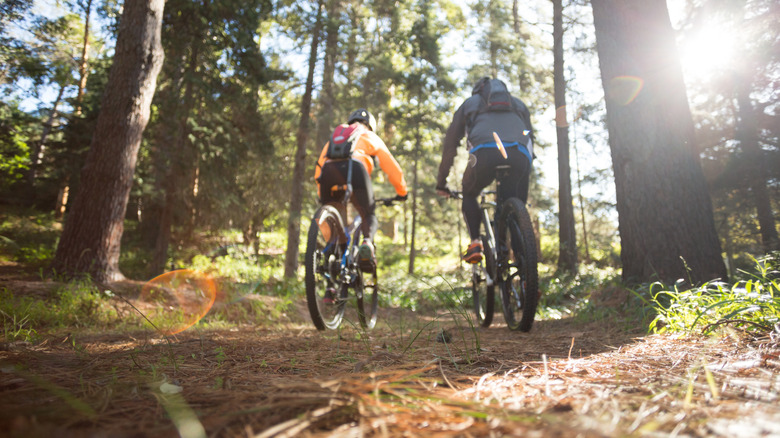
Very little remains of the Sugar Loaf resort in Michigan, which closed abruptly in 2000. The abandoned buildings became a safety concern, and they were finally torn down in 2021. If the name sounds familiar, you may be thinking of the other "Sugarloaf" — one word — in Maine. That resort is alive and well, having survived the challenges of its Michiganian cousin.
Exciting times are ahead for Sugar Loaf. A local entity known as the Leelanau Conservancy is in the process of raising $8 million for a new MTB park. The forested butte has a modest prominence of 490 feet and stands on private property, but the owner has agreed to develop its slopes with singletrack and other biking infrastructure. This network could include as many as 10 miles of trails; work is expected to begin in 2026, once the fundraising goals are met. The only challenge for MTB enthusiasts will be getting there; the Sugar Loaf site is located near Traverse City, a lakeside community in northeast Michigan, nearly two and a half hours by car from Grand Rapids and more than four hours from Detroit. For many, though, the fresh new berms will be worth it.
Scott's Cobble
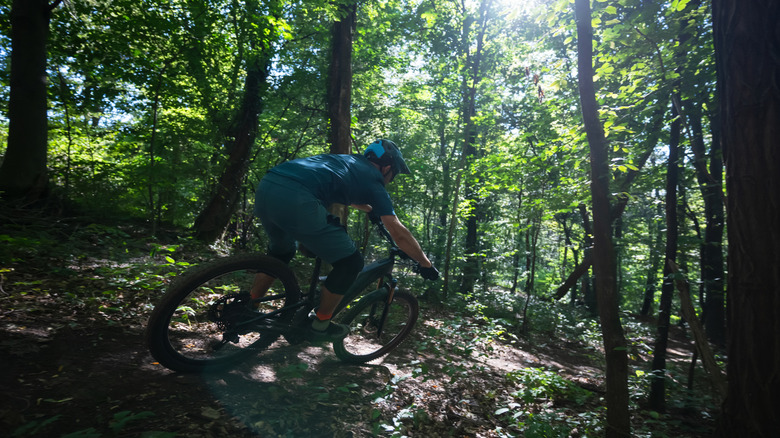
Any traces of this ski resort have vanished from the Adirondacks, though it's possible some older locals around Lake Placid, New York, remember what those ski runs were like back in the 1970s. Today, the Craig Woods trails are a popular way to explore local hills and forest, and the MTB tracks known as Scott's Cobble are named after that long-defunct ski area.
Local soil is infamous for its rocks, roots, and dense trees, in stark contrast to the trails out west. But you'll also get well-worn curves and jumps, plus some erratic boulders to riff off of. Instead of a ski resort, Scott's Cobble is near the public Craig Wood Golf Course, though it's hard to believe you're so close to the links when you're maneuvering through the backcountry. One of the best aspects of Craig Wood is its proximity to Lake Placid, an idyllic lakefront Adirondack town with a charming Main Street. The town is famous for having hosted not one but two Winter Olympics, and there's plenty of skiing that still exists nearby. You won't find many ruins to poke through, but you're just a 15-minute drive from the renowned resort, Whiteface Mountain — which incidentally has its own mountain bike park, for when you're finished with Scott's Cobble.
Methodology

Many operational ski resorts double as MTB parks in alternating seasons. We filtered those out, focusing instead on ski resorts that have permanently closed. This narrowed the field considerably, as most of those 1,600 properties have transformed into something else, and any mountain biking that takes place there is informal. Most of the above parks were mentioned in Greg Heil's thoughtful story on the MTB website Singletracks, which gives additional context for the resurrection of these parks. Mt. Telemark has received a conspicuous amount of press, as has Marshall Mountain.
We also decided to include Sugar Loaf, which is — as of this writing — expected to open in the near future. The Pikes Peak area is known for many different kinds of cycling, but Colorado is famous for its MTB scene, and even an incomplete "Ring the Peak" trail is a great starter. You can find weeks' worth of trails within a few miles of Pikes Peak, even if they don't exactly overlap with an old ski resort.
Finally, we had to decide between Scott's Cobble (above) and the Arrowhead Enduro Trails of New Hampshire. The ski resort at Scott's Cobble closed many decades ago, and virtually nothing remains, so we debated whether to include this park. In contrast, Arrowhead has hobbled through several closures and easily could have suffered a similar fate. However, the Arrowhead Recreation Area (as it's now known) is currently open to skiers. The trails at Arrowhead are also considered far steeper and more technical than those of Scott's Cable, so we went with the option that's more accessible to most riders.