
Hawaii's Beautiful Coral Reefs Are Doing A Lot More Than Entertaining Snorkelers
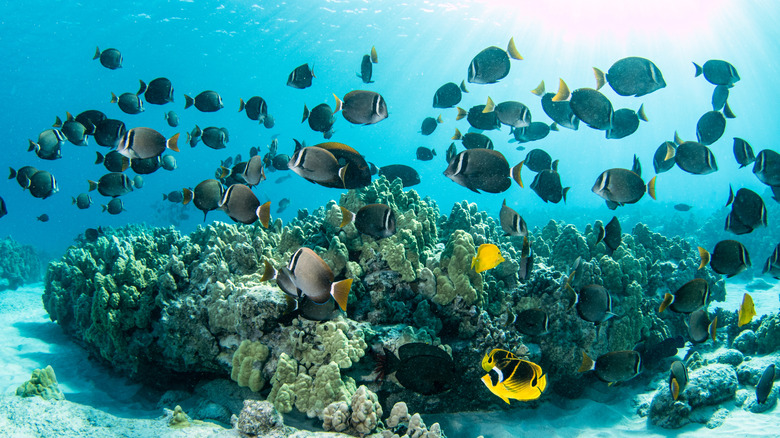
When you think of Hawaii, you likely can't help but visualize never-ending aquamarine waters, lush forests, and coffee farm tours alongside scenic vistas. However, the Aloha State's offerings don't end terrestrially, because a magical and colorful world teems with life beneath the surface. With more than 410,000 acres of coral reefs in the Hawaiian islands (85% of all the reefs in the U.S.) providing for a flourishing marine ecosystem, there's nothing like swooping down below the waves with your fins, mask, and a snorkel to see this paradise. Parrotfish, yellow tangs, reef triggerfish, technicolor wrasses, seals, whales, dolphins, and more are flitting about the waters in Hawaii while you're reading this. There are even locations where you can see Hawaiian green sea turtles drifting beside you as you snorkel.
When there are warm ocean temperatures all year, there's never a bad time to witness these vibrant reefs and the animals wandering about them. While the reefs will stun you on any visit, know that their presence is also doing something more meaningful than just blowing you away with their beauty. As per a 2025 study published by the U.S. Geological Survey (USGS), coral reefs act as excellent shock absorbers for strong currents and waves. This means they protect coastal communities from flooding and the shoreline from degradation.
The researchers conducted a hydrodynamic field experiment on the island of Molokai — which harbors the longest fringing coral reef of the Aloha State – in 2018, when two powerful hurricanes hit the Pacific Ocean. The results noted that the fringing reefs reduced the wave intensity by up to 80% by the time any storm surges reached the shores. In conclusion, what tourists typically see as an impressive scenic highlight also plays a significant role in protecting us against natural disasters.
Healthier coral reefs provide more protection against intense waves
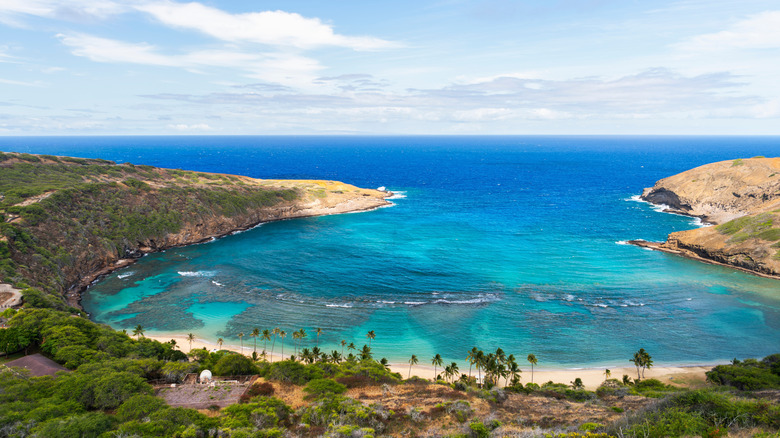
The study on Hawaiian ecosystems just furthers the evidence that fringing reefs (the predominant type of reef in Hawaii) protect the coastline from strong waves and erosion. At the same time, the USGS study also highlights that the health of the reef's ecosystem plays a role in how much wave energy the reef crest absorbs and, therefore, the strength of the wave that reaches the shoreline. With climate change leading to more severe ocean currents and storms, it's important to do our part in protecting the natural ecosystems that shield us.
It's not a secret that coral reefs have suffered the impact of human carelessness in recent years. Whether that was because of our usage of chemical sunscreens or plain ignorance in touching the coral reefs, these acts have damaged their fragile ecosystems. Hanauma Bay is one of Hawaii's top snorkeling spots with stunning tropical reefs, and it is negatively impacted by tourism. When it was shut down during the early days of the COVID-19 pandemic, the reef's health showed remarkable improvements — proving mindful human interaction is the need of the hour.
Putting on a reef-based sunscreen and staying away (in the form of touching, walking, going too close, collecting oceanic souvenirs, etc.) from the marine life will help protect these delicate ecosystems. Practice your diving skills, like buoyancy control, so you can manage your movements underwater. Finally, choose businesses that are eco-friendly and involved in conservation efforts, so they can guide you towards mindful tourism as well. By practicing these simple steps, you can safely snorkel near the coral reefs without damaging them.