
Why There's No Need To Pack A DSLR Camera For Vacation Anymore
We may receive a commission on purchases made from links.
The invention of the DSLR (digital single-lens reflex) camera revolutionized photography. While the first model, developed by Kodak in 1991, sold for a whopping $30,000, DSLRs became accessible to hobbyists and amateurs by the early 2000s. Canon's entry-level, high-resolution DSLR, released in 2003, was priced just under $1,000, and other affordable models entered the market soon after. This democratized the industry, allowing anyone with a keen eye and a reasonable amount of money the opportunity to create beautiful images. As a travel photographer myself, I've relied upon my own trusty DSLR for the past decade, capturing many important moments, meaningful portraits, and stunning landscapes abroad. From the ancient temples of Cambodia to the magical vistas of Iceland, this banged-up, sun-bleached Canon EOS 70D accompanied me on some of my greatest adventures around the world. However, times have changed, and as painful as it is to say, I'd argue that there's no need to pack a DSLR on your next vacation.
There are a number of reasons for this, including new advancements in camera technology, weight and size, pricing, and more. But generally speaking, there are currently options out there that are better for any level of travel photographer. For would-be pros, although DSLRs are capable of producing gorgeous, professional-level images, the technology behind them is old and soon to be obsolete. It has been replaced by the more advanced mirrorless system, which creates an equally high-quality image in a smaller, lighter body. And for amateurs who simply want a way to document their travels and have no interest in learning about aperture or shutter speed, a DSLR (or any manual camera, for that matter) doesn't serve their needs. So, let's dive deeper into why a DSLR shouldn't be your top choice for a travel camera, regardless of your proficiency in photography.
For budding pros: DSLRs versus mirrorless cameras
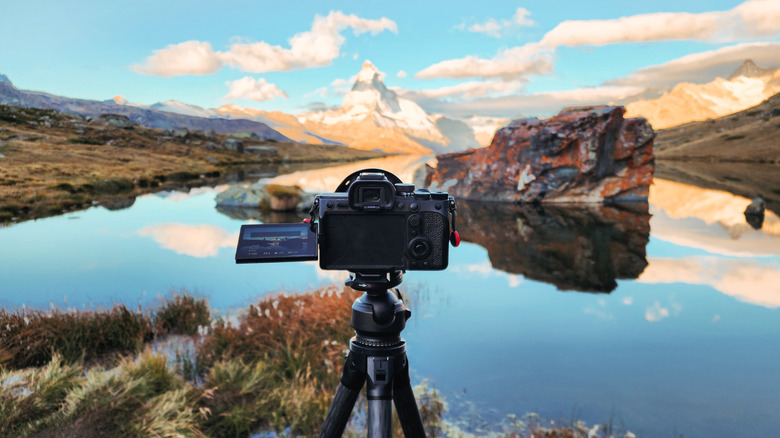
In 2008, Panasonic dropped its first commercially available mirrorless camera body, and from then onward, the writing was on the wall for DSLRs. While you can still purchase new, refurbished, and used DSLRs today, the technology is outdated: the autofocus is less precise, they don't have in-body stabilization, and video quality is inferior, among other issues. Importantly, there's also less support for these cameras — most manufacturers are focusing their efforts on mirrorless models now, so accessories will be harder to find, and there won't be the necessary firmware updates.
Another factor is the weight and size. These cameras are bulkier, due to the presence of the mirror box (in simple terms, DSLRs use a mirror to reflect light to the viewfinder, which is how you see the scene you're shooting). The difference isn't much, admittedly — not even a pound, when talking about the camera body. However, your kit probably includes necessities like extra batteries, a tripod, and lenses (DSLR lenses also typically weigh more). In total, a mirrorless kit is 15 to 30% lighter than its predecessor. And if you're traipsing through the Austrian Alps on a scenic hike in Plansee with breathtaking mountain views, these minimal differences will feel much greater — soon you'll be cursing the day you typed "DSLR" into Google.
A high-quality professional camera lasts a long time, so you might not see the problem with purchasing a DSLR if you plan to stick with it indefinitely — in fact, second-hand bodies are a steal nowadays compared to their original price. However, keep in mind that you're investing in an old system that you likely can't sell later, even within the used market — and it will be harder to upgrade your kit in the future, as mirrorless lenses aren't compatible with DSLR bodies.
For amateurs: DSLRs versus smartphone cameras
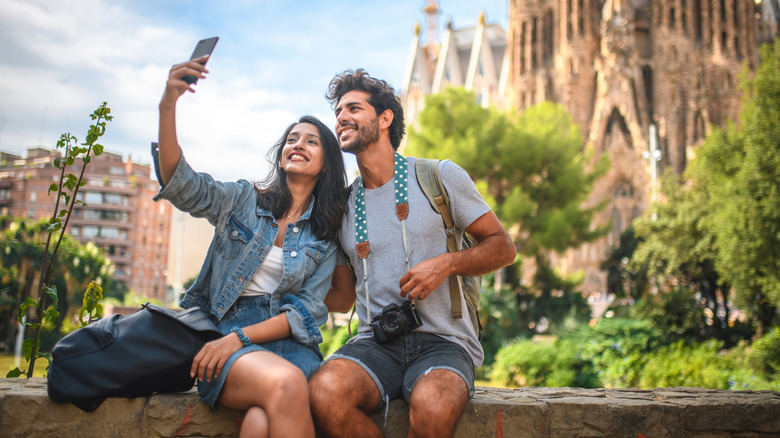
If you're not particularly interested in the technical components of photography and are primarily looking to post your images to Instagram, you definitely shouldn't invest in a DSLR — especially if you don't plan on blowing up or printing your photos. There's no point in purchasing any professional-grade camera and just shooting in Auto mode. For the amateur who wants a convenient, stress-free camera system, smartphones are the way to go. There have been vast improvements in the technology behind the newest generation iPhone and Android models, and they're easier than ever to use, have a number of creative features (digital zoom, portrait mode), and contain powerful sensors. The images they can produce will certainly be good enough to publish on social platforms. To further level up your travel shots, there are also a variety of add-ons and tools you can purchase — like lenses, lighting kits, and these low-profile selfie-stick alternatives — along with mobile photo-editing apps (some of which are free).
When choosing the best smartphone for your photography needs, factors like cost and personal preferences will play a role in your final decision. But as of this writing, the iPhone 17 Pro ($1,659 on Amazon) and the Samsung Galaxy S25 Ultra ($949.50 on Amazon) are two of the best options — pricy yet versatile models that will give you excellent video quality and high-resolution photos.
Of course, the best camera to use is the one you already have, so if you're on a tight budget and can't afford to (or don't want to) upgrade, don't worry. You can still learn to take better vacation photos like the pros with practice and patience, whether the tool you have in hand is a decade-old DSLR, the most expensive mirrorless system on the market, or your current smartphone.