
New Mexico's Walkable Albuquerque Neighborhood Is Rich In History, Local Shops, And Eats
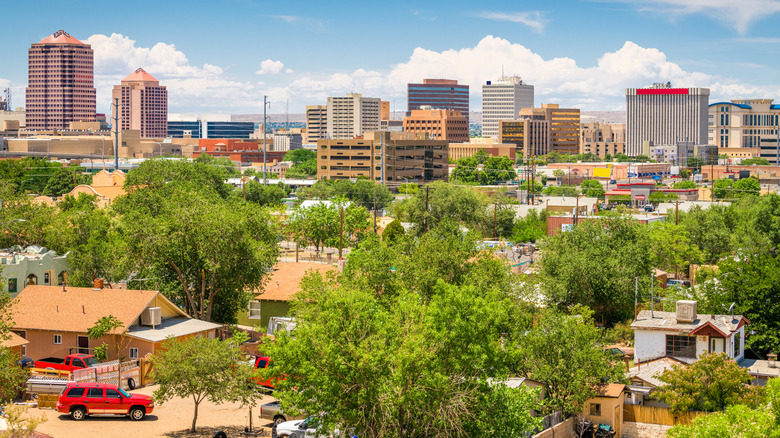
New Mexico is a state blessed with gorgeous scenery, otherworldly ambiance, and unique spots, such as this quirky town with UFO museums and outlandish landmarks. They call the state the "Land of Enchantment" for a reason, and while many head to the magical and arty capital of Santa Fe, the bigger city of Albuquerque also merits attention. New Mexico's largest city is a great place for beer, vibrant culture, and local festivals.
In addition, Albuquerque is home to some great neighborhoods, each with its own distinct flavor. One such spot is Barelas. Located south of downtown, next to the banks of the Rio Grande River, this area is known for its historic businesses, artistic flair, and deep heritage. It's also a great neighborhood for foodies, with plenty of eateries serving up the unique cuisine that New Mexico is famous for.
Another nice thing about Barelas is that it's pedestrian-friendly. Albuquerque is generally a very car-centric city, but Barelas is an oasis of sidewalks and clustered businesses fed by foot traffic, earning it a walkability score of 78 out of 100 from the website Walk Score. Since you don't need a car to get around, you can explore the district on a self-guided Barelas Walking Tour.
Soak up the unique neighborhood charms of Barelas
Originally part of the indigenous trade route known as Camino Real de Tierra Adentro, the place now called Barelas dates back to 1662, when the colonial governor Diego de Peñalosa established it as an agricultural community of around 300 people. It remained a sleepy village until the construction of the Atchison, Topeka & Santa Fe Railway in the 1880s, which led to an influx of railroad workers. These new residents fueled the local businesses that popped up to serve them, some of which are still operating today. The neighborhood further blossomed in 1926, when its main thoroughfare, 4th Street, was made part of the original Route 66. Though it was later rerouted through Albuquerque's Central Avenue in 1937, those 11 years on America's legendary arterial left their mark on the neighborhood.
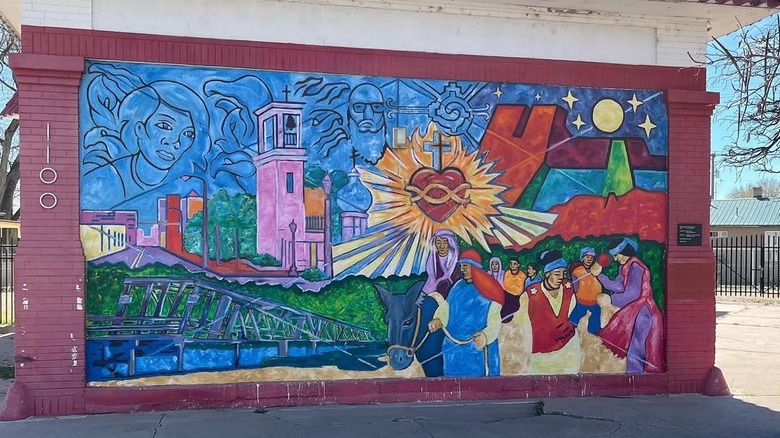
For a taste of this colorful history, grab a bouquet at the family-owned Ives Flower Shop (which has been in business for over 150 years), or pop into the iconic B. Rupee Drugs. Opened in 1883, this former pharmacy is best known for a natural healer (known as a curandera) named Maclovia Sanchez de Zamora, who curated the shop's supplies with over 200 herbs and personal recipes. It's now a community center and "micro museum," with Zamora's commanding figure gracing a mural on the outside wall.
For more of the past — plus a splash of the present — check out the vintage vehicles at the Wheels Museum, or stop by the Rail Yards Market, a farmers market operating in the old rail yards on Sundays in May through October. In addition to fresh produce, food, and handmade artisan goods, the market offers live music amongst historic surroundings, and it has become an essential part of the Barelas neighborhood.
Savor some local flavor in Barelas
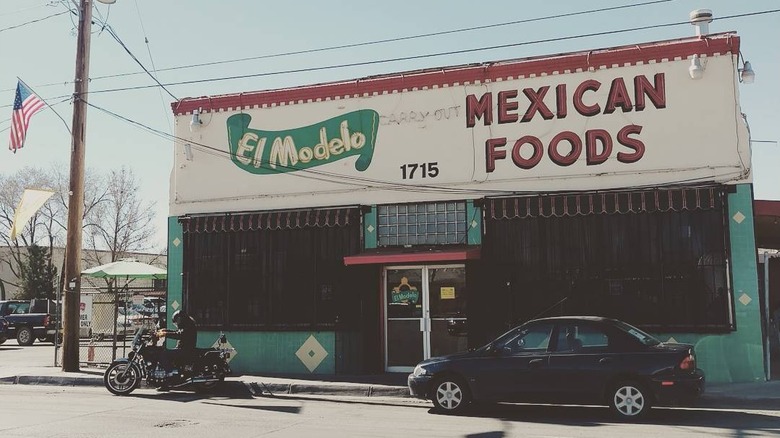
Given its location and history, it should come as no surprise that Barelas is also a good place to eat. Start with some sopaipillas or enchiladas smothered in green or red chiles at La Mexicana Tortilla Co., which was established in 1932 and was Albuquerque's first tortilla shop. Other neighborhood eateries serving up New (and old) Mexican cuisine include the beloved hole-in-the-wall Juanita's Comida Mexicana, El Modelo Mexican Foods — famous for its handmade tamales — and La Michoacana del Norte, which specializes in south-of-the-border-style paletas (ice pops) and ice cream.
Another neighborhood institution that can't be missed is Barelas Coffee House. This colorful and cozy diner does regional breakfast classics, such as huevos rancheros, egg burritos, and carne adovada (pork slow cooked in chili sauce) with eggs. It's a gathering place for locals and a good place to visit — not just for the home-cooked fare, but also to really understand the deep sense of community that makes Barelas special.
After filling up there, it's just a short walk to the National Hispanic Cultural Center. Established in 2000, this complex is dedicated to promoting and preserving Hispanic culture, humanities, and arts in one of the country's oldest Latino communities. The center hosts art exhibitions, and there are also active performance venues, a library, a restaurant, and a genealogy center. If you're there on a Saturday or Sunday from 12 p.m. to 5 p.m., make sure to marvel at Mundos de Mestizaje, a 4,000-square-foot fresco painting depicting thousands of years of Hispanic history. For more of Albuquerque's singular splendor, check out these must-visit stops for retro vibes on Route 66.