
5 RV Campers That Were Big In The 1970s
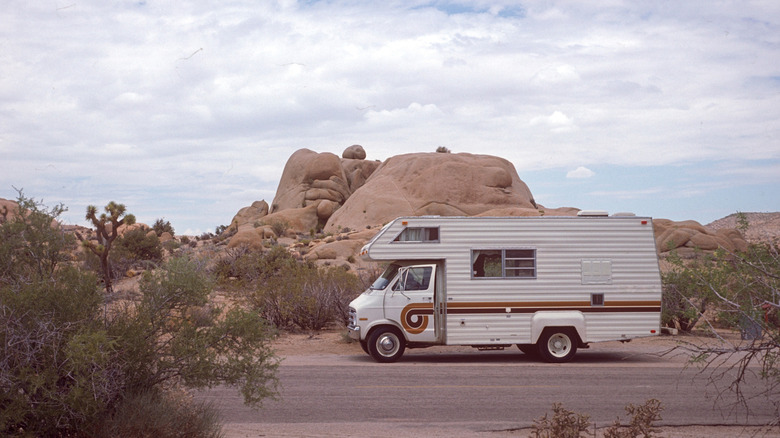
The 1970s were a pivotal decade. Marked by social movements, hippie counterculture, funky fashion, disco music, and earth-toned color palettes, it was also a golden era for travel. Despite the energy crisis that shook the nation in 1973, people were fueled by the desire to hit the road on stunning and storied road trips across the U.S., and RVs were a popular mode of transportation.
From iconic, boxy Winnebago motorhomes to sleek, silver bullet Airstream travel trailers, these five campers helped define a generation of all-American road tripping, flourishing in distinctive designs and vibrant retro interiors. Whether you have your heart set on reliving the '70s on a wildly nostalgic road trip to destinations packed with retro vibes and nostalgic fun, or you're just curious about which RVs were big back in the day, we've composed this groovy list of travel trailer and motorhome throwbacks that embody the spirit of the 1970s.
Winnebago Brave
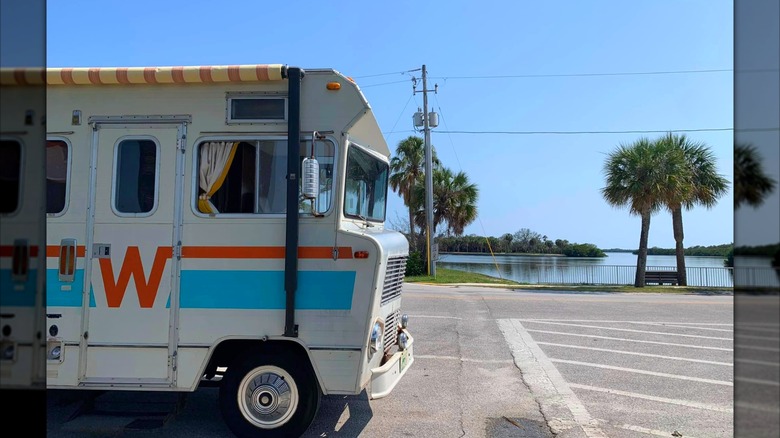
It's impossible to talk about 70s RV campers without highlighting the legendary Winnebago Brave. The boxy 17-foot-long motorhome first hit the road in 1967, introducing the now iconic "Beetle Brow" design. Distinguished by an eyebrow-like edifice extending over the windshield, the unique feature was manufactured on Winnebagos throughout the 1970s, but was phased out by the mid-1980s. As a result, the Brave has become synonymous with '70s motorhome travel, and remains a popular model for nostalgia lovers to this day.
In fact, the model is so beloved that in 2015, a modern Winnebago Brave was introduced. Its exterior boasted the classic Flying W emblem, first introduced in 1970, along with the Beetle Brow.
The interior of the original Winnebago Brave burst with 1970s charm, with burnt-orange and avocado-green furnishings paired with wood paneling, offering an appeal that was nothing if not of its era. Meanwhile, its large size made it a practical choice for family road trips. The Brave was such a hit that during the mid-70s Winnebago began producing similar RVs, such as the Indian and the Chieftain, and boasted 23 different models by the end of the Me Decade.
Airstream
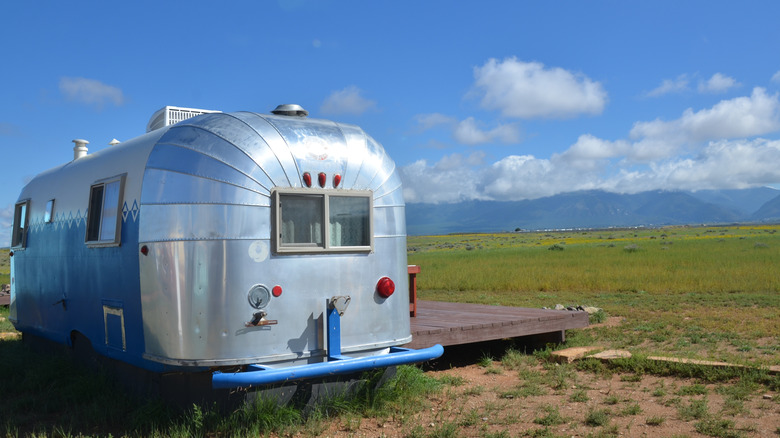
When it comes to travel trailers, the Airstream is an irrefutable icon. Distinguished by its long and glimmering silver bullet design, the original Airstream model, "The Clipper," was introduced back in 1936 and was a popular travel accessory through the Great Depression Era. However, when World War II hit, the materials used to construct the aluminum beauties were needed for building war aircraft, and manufacturing of the shiny Airstream trailers was put on pause. It wasn't until after the war that demand for the trailers went up again, and the illustrious trailers began taking over the road.
Fast forward to 1972: Airstream unveiled its line of Argosy travel trailers, a stylish redesign of the classic Airstream (using painted aluminum) for a fraction of the cost that made it more accessible to families during the 1973 fuel crisis. The Argosy Motorhome followed shortly thereafter in 1974, paving the way for the debut of the Airstream Motorhome in 1979. To this day, the Airstream is synonymous with the golden age of RV travel during the 1970's, flourishing in an innovative, aerodynamic design that is equal parts classic, modern, and timeless.
Apollo Neptune Motorhome
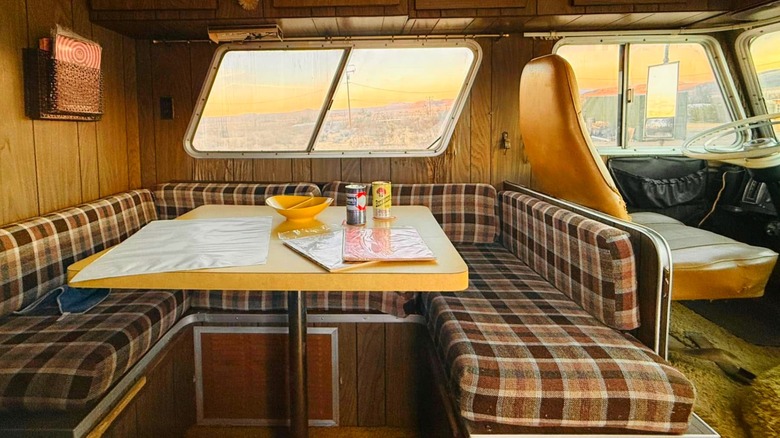
The rise and fall of Apollo Motorhomes was short and sweet. Founded in 1969, the California-based company manufactured motorhomes through the 1970s to the mid-'80s, introducing its popular Neptune model in 1973 during the height of the motorhome industry boom. Available in 22, 25, and 30-foot models, the roomy RV boasted sleeping space for up to six people, a Formica dinette, a kitchen equipped with a microwave, fridge, gas range with oven, along with plentiful storage space, and even a bathroom with a sunken tub.
The campers were marketed by legendary actor and comedian Bob Hope as a cross-promotion for his 1972 film "Cancel My Reservation." A vintage magazine ad shows Hope posing in front of the motorhome with the quote, "Cancel my reservation, I'll take my Apollo ... the only way to go for safety and luxurious accommodations." Though the Apollo's legacy is short-lived in comparison to other campers of the era, its impact on the world of Class A motorhomes is everlasting.
GMC Motorhome
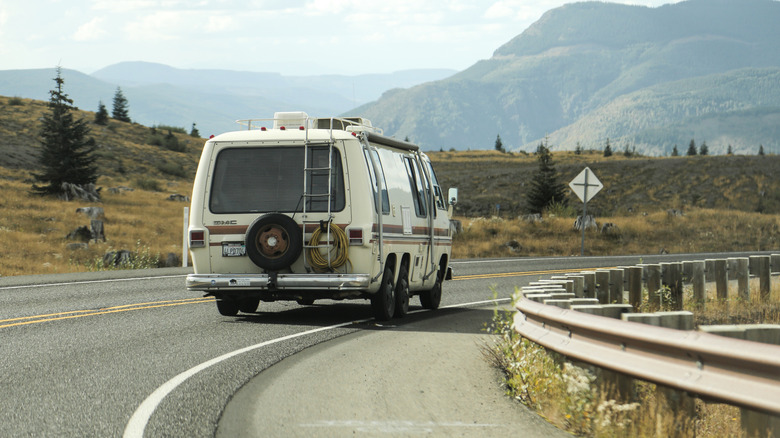
As introduced in a 1973 magazine ad, the GMC Motorhome didn't "ride like a truck" or "look like a box." Manufactured by General Motors, the six-wheel motorhome boasted a stylish, rounded design that contrasted with the boxy, Winnebago-style RVs that dominated the roads at the time. GM's vice president, Alex C. Mair, even described it as the "Cadillac of motorhomes."
An innovation in motorhome design, the original 1973 model came in Parrot Green and Pineapple Yellow with homey, customizable interiors (think shag carpeting and funky floral decor) and ample space within its 23 or 26-foot frame.
In 1974, the Eleganza SE model was unveiled just in time for a Las Vegas RV show, followed by the snazzy Eleganza II and Palm Beach models in 1975. From 1975 to 1978, GMC manufactured the Transmode, an empty motorhome model that allowed buyers to fully customize its interior. Though the GMC Motorhome was only manufactured for five years in total, its effortless melding of style and practicality has rendered it a timeless icon of the 1970s. In fact, as of 2023, it's estimated that around 70% of the retro GMC Motorhomes are still rolling down the road.
VW Camper Van
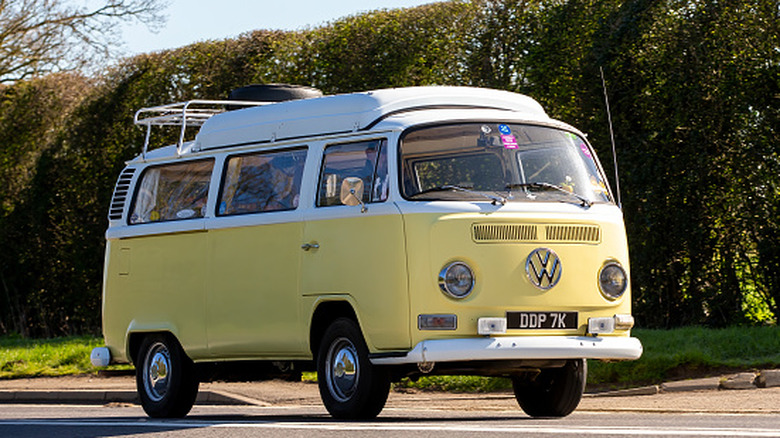
The VW camper van is perhaps the most iconic automotive symbol tied to the 1970s. Calling to mind images of breezy Summer of Love-style road trips with The Beach Boys' tunes blaring from the radio, the boxy, bright-colored campers have been rolling down the road for decades. Its long legacy dates back to 1949, when the very first model was introduced by Volkswagen at the Geneva Motor Show. The following year, the quintessential microbus model was unveiled, bearing the now-iconic VW logo above its front fender, and ushering in an era of cargo van travel. Beginning in 1951, contractor Westfalia-Werke was used to finish the camper interiors, the birth of the common "Westy" moniker.
In 1967, the second generation of the VW microbus made its debut, replacing the classic split windshield with a bay window windshield, and increasing in both size and weight. Not only were the VW camper vans popular on the roads throughout the 1970s, but they've made quite a few cameos in TV shows and films that harken back to the Me Decade — from the 1967 Volkswagen Samba that Ashton Kutcher's character, Kelso, cruised around in on "That '70s Show," to the funky vans mysteriously left on the island in "Lost."