
Florida's Once-Thriving Everglades Missile Site Was Abandoned And Transformed Into A Landmark Worth Visiting
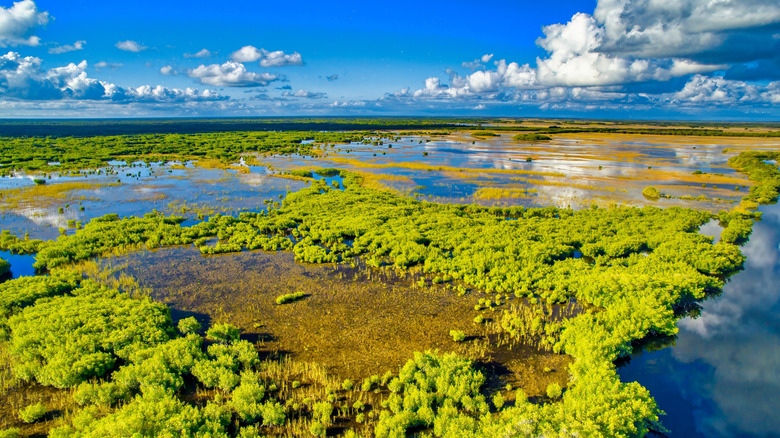
Enveloped by the warm waters of the Caribbean, Everglades National Park at the southern tip of Florida is a veritable gift of nature. The inhabitants of the Sunshine State understood its value early on, designating 1.5 million acres of land specifically to protect its fragile, yet vital, biodiversity. The national park land was vital indeed, and for reasons besides its natural beauty. Everglades National Park was also the home of a key defensive missile site at the peak of the Cold War, known as the Nike Hercules Missile Base HM-69.
As the shadow of the Cold War and a potential nuclear winter threatened America, it loomed largest over the sunny shores of Florida. With only 90 miles separating Cuba from the Continental U.S, and the Cuban Missile Crisis of 1962 putting all Americans on edge, the United States Army understood that a defensive missile base in southern Florida was a nonnegotiable. The U.S. responded to the missile crisis by completing one of the most technologically advanced missile sites in 1965, colloquially abbreviated to "HM-69".
After 14 years of outstanding service, this formidable site of modern history finally received its orders to stand down and tuck the missiles away. Instead of razing HM-69 to the ground for scrap metal, its storied location inside of a national park meant that there was an incentive to turn it into an immersive landmark to preserve its legacy and educate future generations. Less than a two-hour drive from downtown Miami, HM-69 can be visited freely between the months of December and late March. While you can walk it on your own, it's highly recommended you take one of the guided tours offered by the local park Rangers.
Picture a warm Everglades landmark in a Cold War
It must have been a sobering spectacle to witness the scenic backroads of the Everglades, usually filled with birdsong, suddenly echoing with the noise of hundreds of pairs of boots and machinery. As columns of soldiers rushed to their ordered positions to build makeshift camps, the entire world was on high alert. It was October of 1962, and the Soviet Union planted missile sites in Cuba, capable of carrying nuclear warheads and striking deep within mainland U.S. For the two global superpowers to suddenly find themselves in a stand-off with only 90 miles of Caribbean waters separating them, the message was clear — Florida and all of its inhabitants were in grave danger.
Naturally, over a million acres of subtropical saw-grass marshes wasn't an ideal environment to camp in, especially for an army moving sensitive radar equipment and missiles. The task landed on the 2nd Missile Battalion. Eventually, and with the Cuban Missile Crisis averted, Everglades National Park issued a permit in 1965 for the U.S Army to build a fully kitted base on its grounds.
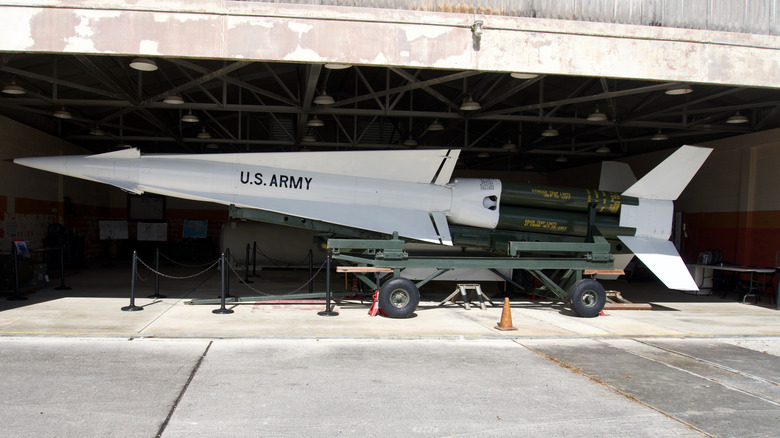
HM-69 was the westernmost base in a network of sites spanning the tip of the peninsula, from the neighboring town of Homestead all the way to Miami. It included housing barracks, control bunkers, storage barns, and even an assembly building. This was a full-scale operation with powerful radars, home to dozens of missiles capable of carrying nuclear warheads if called upon. At its peak, HM-69 housed up to 150 soldiers who worked around the clock monitoring the Floridian airspace. In total, the site offers 22 buildings to visit, painting a vivid picture of the scale of the operations that took place.
Visiting HM-69 today
With the Cold War stretching across decades, military technology advanced rapidly and tactics changed. The Nike Hercules Missile base remained active until 1979, after which it was decommissioned and its arsenal retrieved. The National Park Service decided to keep the buildings in presentable condition, and in 2004 the site was listed on the National Register of Historic Places.
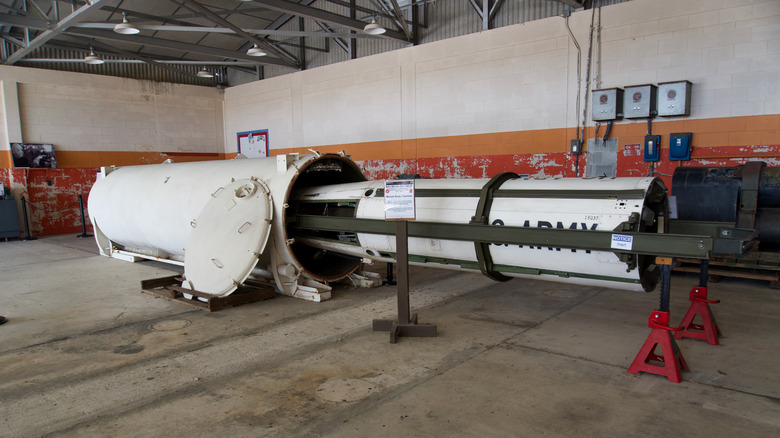
The base still houses three missile barns with refurbished shells, and the missile assembly and warhead building. It was the last base of its kind in the continental U.S to carry the Nike Missile installations, making this historic landmark certainly worth a visit by car, foot, or bicycle from either Miami or nearby Homestead. The guided Ranger tours are highly informative, covering everything from the Cuban Missile Crisis to the daily routines of the soldiers that served here, and also highlighting the capabilities of the radars and missiles that were housed on the grounds. It is without a doubt a history buff's Everglades delight.
If you're in the area, drop by the Ernest F. Coe Visitor Center to inquire about the tour schedules, or view the park calendar website. The visitor center is open year-round, with open house hours from December through March. From April through November, you can only visit the abandoned landmark through the Everglades Institute. Make sure to check the hours on the National Park Service's website as their hours and services can change based on staffing. To get there, take State Highway 9336 for about 20 miles from Homestead. With your insect repellent, hat, and rubber boots in tow, you can tie this incredibly historic tour into a week-long getaway exploring the many secret gems that the Everglades offer to the adventurous.