
Florida's Lovely State Park Is An Inlet Oasis With Gorgeous Coastal Views, Beaches, And Saltwater Fishing
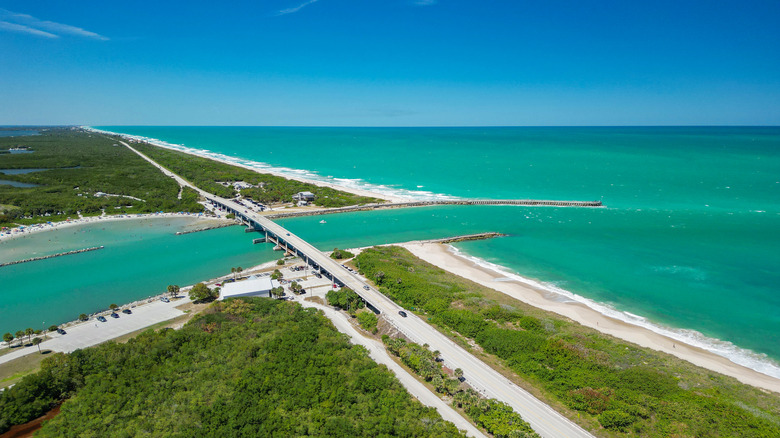
Sun seekers who have tired of Miami's crowds or Palm Beach's glitz should venture north to Florida's Treasure Coast, a quiet and scenic stretch that extends nearly 100 miles from Port St. Lucie up to Cape Canaveral. Named for a number of Spanish ships carrying precious metals and stones that sank offshore in 1715, the coast's main treasure nowadays is unspoiled natural beauty. One of the best places to experience that beauty is at Sebastian Inlet State Park, across the Indian River Lagoon from Sebastian, a cute town with tasty food, unique shops, and uncrowded beaches. The park is an oasis along both sides of the inlet, where the Indian River meets the Atlantic Ocean.
Due to Sebastian Inlet State Park's waterfront geography, gorgeous coastal panoramas abound in all directions. Waves roll in from the Atlantic side to the east, and the sun sets over the placid Indian River to the west. The site's 3 miles of pristine ocean beach face surf breaks, while a protected tidal pool carved out of the inlet's north shore is ideal for wave-free swims and snorkeling. Renowned for saltwater fishing opportunities, the park's two fishing piers flank each side of the inlet and extend into the ocean for plentiful catches of snook, redfish, and Spanish mackerel.
Sebastian Inlet State Park is a nearly two-hour drive from Orlando or a 40-minute drive from the Melbourne-Orlando International Airport in the scenic coastal paradise of Melbourne. The attraction is open 24 hours daily, and entry costs $2 for pedestrians or cyclists, $4 for single-passenger vehicles, and $8 for vehicles with two to eight people.
Enjoy the beaches at Sebastian Inlet State Park
You'll find both leisurely and active beach experiences at Sebastian Inlet State Park. However, you must swim at your own risk, as there are no lifeguards on duty at any of the park's beaches. Families and those seeking peaceful shores should head to the inlet's north side. Next to the highway is a sandy cove referred to as Tidal Pool, which is partially enclosed by rock walls. Here, you can safely wade or swim in the calm, shallow, turquoise-hued waters. This is also a popular spot for snorkeling, as the cove serves as a natural aquarium teeming with marine life such as tropical fish and crabs.
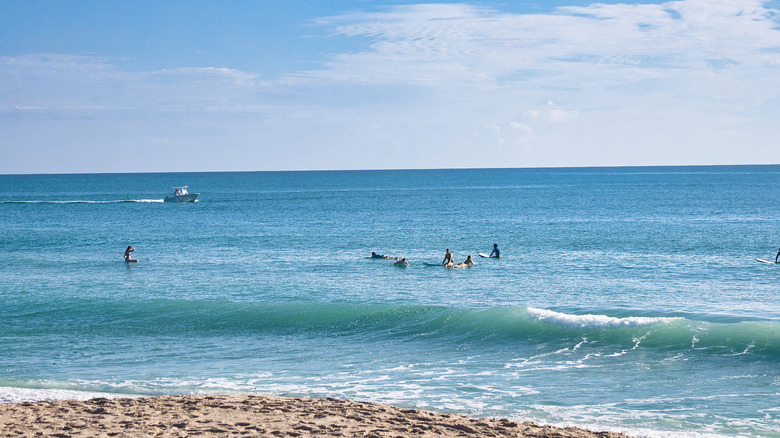
Beach lovers who want more action can head either to the north or south Atlantic Ocean shores of Sebastian Inlet State Park. Wide swaths of sand stretch out in both directions, and there are facilities such as bathrooms, picnic tables, showers, and more on both sides. Known as an under-the-radar surfing destination on the Florida coast, the park earned its reputation because of two excellent breaks. Most surfers prefer the break at the northern fishing jetty due to its reliable and sizable swells.
For scuba divers who prefer to explore beneath the water's surface, head to the rocky reefs off the park's southern shores. According to West Palm Beach-area news outlet CBS12, some divers here have recovered treasures from those 18th-century shipwrecks that gave the Treasure Coast its name. In October 2025, a diver found $1 million worth of coins when diving off the state park's coast. If you want to learn more, head to the state park's McLarty Treasure Museum, which recounts the history of those doomed Spanish ships.
Experience Sebastian Inlet's fishing fun and coastal views
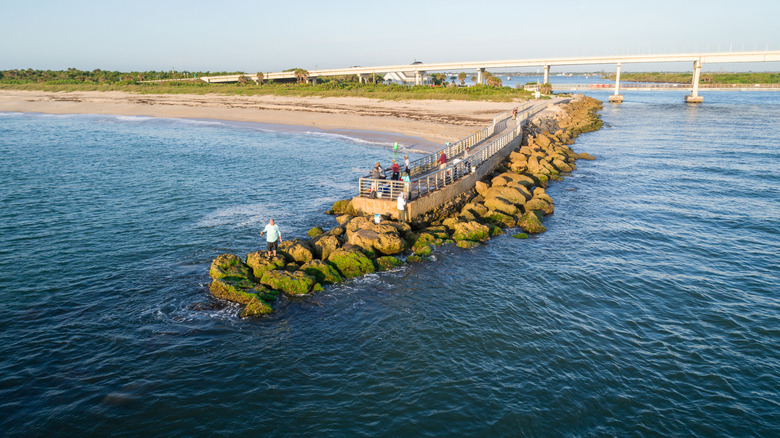
As a wonderful destination for saltwater fishing, Sebastian Inlet State Park boasts two fishing piers on each side of the inlet. The north jetty measures about 1,000 feet long and was restored and reopened in summer 2025, while the southern jetty measures nearly 600 feet. Both are often crowded with anglers jockeying for the top catches. A valid saltwater fishing license is required for fishing at Sebastian Inlet State Park.
The park offers year-round fishing opportunities, with snook and tarpon being more plentiful during the summer months. Redfish and mackerel are popular in the spring and fall, whereas the late fall, winter, and early spring months are best for flounder and bluefish. A great introduction to fishing in the area is Sebastian Fishing Museum, which features exhibits recounting the area's history as a fishing hub and showcases the types of fish that flourish here.
Even if you are not fishing, take the time to walk down the jetty to see the fishermen reel in their trophy catches and enjoy the coastal views as the waves crash onto the rocks. A Google reviewer raves, "We saw a ton of turtles ... and it was really cool watching people fishing all along the inlet. The scenery is beautiful, the water is crystal clear in spots, and there's always something interesting happening." Along with dreamy vistas of the ocean's consistent surf and the inlet's calm waters, dolphins and manatees can often be spotted from the shore. For more beautiful landscapes, drive 4.5 miles away to the Pelican Island National Wildlife Reserve, which was America's first national wildlife reserve.