
Nebraska's Beloved Lake Offers Scenic Year-Round Camping, Fishing, And Seasonal Water Recreation
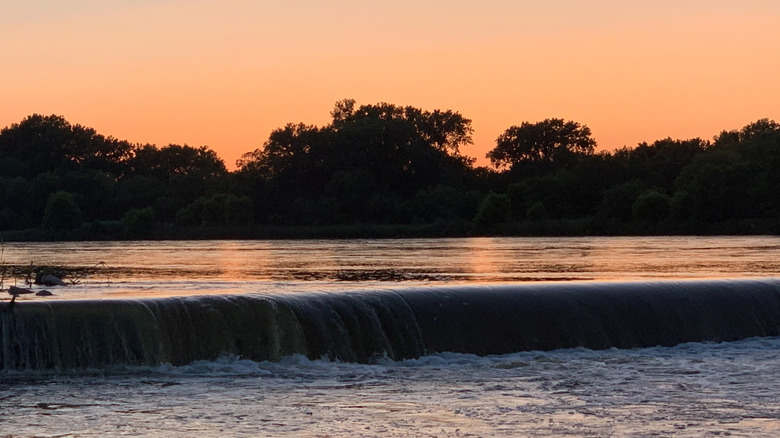
If you've never lived in Nebraska, you're still likely familiar with Omaha — the state's largest city, with indie eats, quirky art, and riverside trails — and you probably know that the state is one of the nation's leading agricultural producers. It's also possible you've flown over it on a cross-country flight, looking down at a flat landscape divided into a patchwork of seemingly countless farm plots. However, as is usually the case, once you dig deeper, you'll reveal the hidden gems that are beloved by locals and visitors alike. One of these gems is Johnson Lake, where you can play on the water and enjoy a campsite with a picture-perfect view.
Johnson Lake is modest in size, with a surface area of 2,068 acres and almost 11 miles of shoreline, but it packs a punch when it comes to recreation and scenery. Located 10 miles south of Lexington, in the south-central region of Nebraska, the lake is an extremely popular destination for Nebraskans to play and relax. Technically a reservoir, it's part of an impressive 75.5-mile irrigation system, composed of a canal and 26 small lakes.
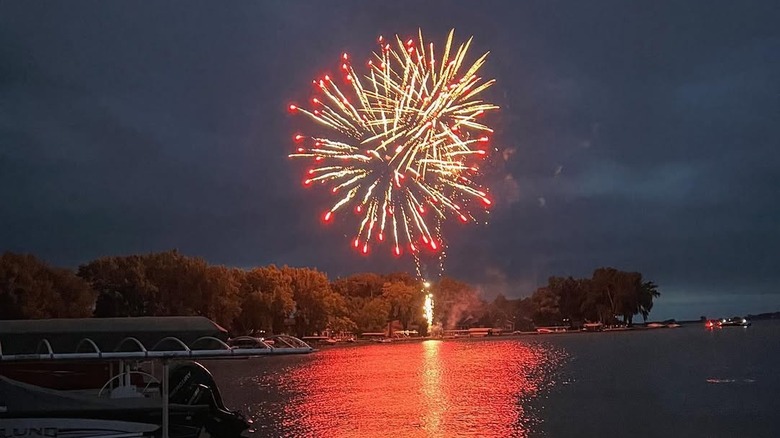
Since lake-goers likely need to stock up on supplies in town before getting to their campsite, a vibrant community has been built up around the lake to provide amenities and enhance visitors' enjoyment. You will find a marina, a few restaurants, a brewery, and even an 18-hole golf course which hugs the southern shore. Fun events are also held, such as an Independence Day Boat Parade, followed by fireworks in the evening.
Johnson Lake has top-notch camping with picture-perfect views
The Nebraska Game and Parks Commission maintains three campgrounds here, providing both modern and primitive facilities and access to the lake. The largest, on the southeastern shore, is located within the main 68-acre Johnson Lake State Recreation Area in Elwood, Nebraska. It has 82 RV sites with electrical hook-ups and an additional 30 basic campsites without electricity. The amenities are comprehensive and include showers, restrooms, a dump station, grills, picnic tables, and fish cleaning stations. The park's best features are down by the lakeshore, where you'll find a sandy swimming beach, fishing docks, and a boat launch.
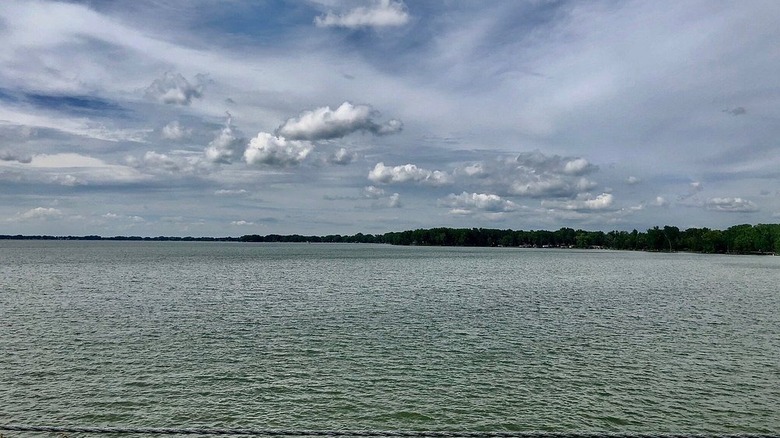
The beach and docks are perfect places to take in some idyllic Midwestern scenery. Gazing out upon the tree-ringed lake, you'll see the reflection of the clouds drifting across the surface. Look up to possibly catch a glimpse of a bald eagle, which would not be uncommon, especially in the winter months. Johnson Lake is also a popular spot to witness some truly dazzling sunsets over the water.
The South Inlet and North Inlet Campgrounds are located on the lake's western shore. The South Inlet Campground has 31 RV sites with electricity, 10 basic campsites, restrooms, and a boat ramp. The North Inlet Campground is best for tents, as it provides only primitive camping areas. It does, however, have drinking water, vault toilets, and a fishing pier. All of the campsites are open year-round, but the modern facilities are only available from May through October, with the specific dates depending on the weather.
Johnson Lake is perfect for seasonal fun on the water
While superb camping and scenic views are fantastic, Cornhuskers mainly flock to Johnson Lake to get out on the water and have fun. All types of watercrafts are permitted, so you'll see powerboaters, water skiers, sailors, and paddlers enjoying the sensation of skimming across the lake's surface. Summer is the most popular season for water-borne recreation, as there's nothing better than a dip in cool waters to fend off the Midwestern heat. To get out on the water, you'll want to visit during the peak season, which runs from mid-April to mid-October.
Fishing is also a favorite pastime at the lake. It's best known for bass and walleye, but other game fish inhabit the depths, such as crappie, wipers, catfish, northern pike, and perch. Casting lines for white bass is best in mid-to-late spring, while the walleye bite near the rocks in the spring and by the flats in the early summer. Nebraska winters can be cold, and the lake often freezes over, but anglers are still able to get their fix by drilling a hole for some ice fishing. Once you get your catch back to camp, try making it your next meal with this essential camping cooking method every outdoor traveler should know. If you're fortunate enough to catch too many fish to eat, make sure you have one of the best travel coolers, which will keep your drinks ice cold on the way to the lake — and your fish cool on the way home.