
5 Once-Thriving Cruise Lines That No Longer Exist
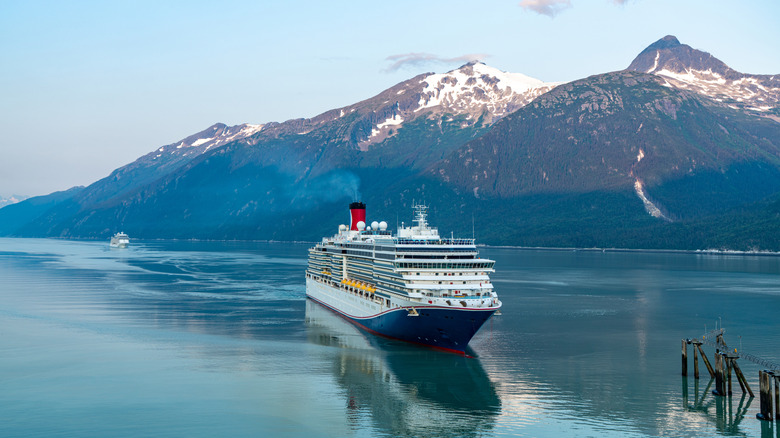
Every time it's announced that another legacy cruise line is facing extinction, like Alaskan Dream Cruises, a once-thriving cruise line that will never sail again, cruise enthusiasts from around the world take to social media to lament the end of an era and to sorrowfully proclaim that cruising just isn't what it used to be. With overcrowded ships and cruise lines phasing out once popular rooms and services, it's easy to understand why people prefer to nostalgically cling to a time period when cruising still held an air of luxury and mystique.
But despite the changes and upheaval, the cruise industry remains strong. In fact, travel agents report that cruise vacations are seeing more growth than other segments of vacations, like all-inclusive resort stays or vacation house rentals. While there's no need to hold a memorial for the cruise industry just yet, that doesn't mean you can't feel a tinge of sadness over a few of the industry's casualties. Some of the most beloved cruise lines have disappeared forever, their ships sold and remodeled or otherwise scrapped altogether.
Below is a roundup of five cruise lines that either thrived for decades or at least once held the potential to. While their ocean liners may be gone, the cruise lines continue to live on in the memories of the crew and passengers who once roamed the decks and toasted the sunsets at sail away.
Sitmar Cruises
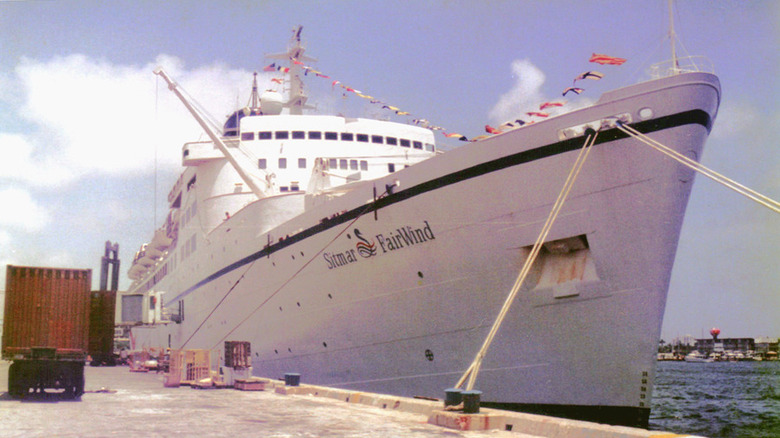
Sitmar Cruises (an acronym for Società Italiana Trasporti Marittimi) started in 1948 as an Italian passenger shipping line, but for most of the 1950s and 1960s, its fleet of ships was used to help large populations of people who were migrating between Europe and Australia. In the 1970s, the company entered the tourism market and became known in North America and Australia as a cruise line that married Italian elegance with affordability. In 1988, Sitmar merged with Princess Cruises, and the brand ceased to exist, though it is credited with playing a role in helping make ocean travel more accessible to the middle class.
Former passengers on the ships loved the Italian crew, and still wax nostalgically about the food, such as the Baked Alaska, the buttered linguine with meat sauce, and the Midnight Buffet. They also loved the little touches of luxury, like the souvenir coffee mugs made from fine China. One cruiser reminisced that, "The cruises were about cruising and the unique experience of being at sea and isolated from reality."
Renaissance Cruises
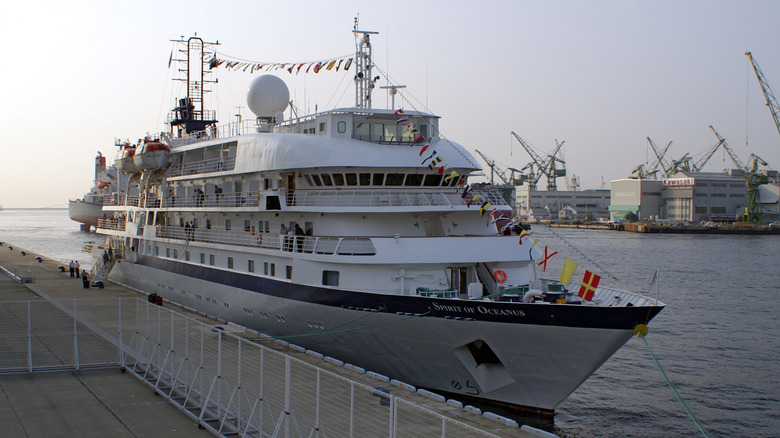
Although Renaissance Cruises once had up to eight ships in its fleet, it had a relatively short run when compared to some of the other cruise lines on this list. It first launched in 1989, but stopped operating just 12 years later in late September 2001, citing post 9/11 financial struggles as the cause of its abrupt shutdown.
Though the cruise line was launched by a shipping company in Oslo, the company was headquartered in Fort Lauderdale, Florida, and pitched itself as an "affordable luxury" cruise line. While larger ships were added to the fleet in 1998, the first ships (like the one pictured above) were more like large yachts with a max capacity of just over 100 passengers.
As was reported by one of the ship's passengers, the day the company announced bankruptcy, the Renaissance Cruises ships halted their voyages mid-cruise, shifting course in the middle of the night to return to port so that creditors could "arrest" the ships. This led to confusion and upset for both the passengers and the crew. The Renaissance Cruises ships were sold off to other cruise lines and continue to sail under new names and branding.
Fathom
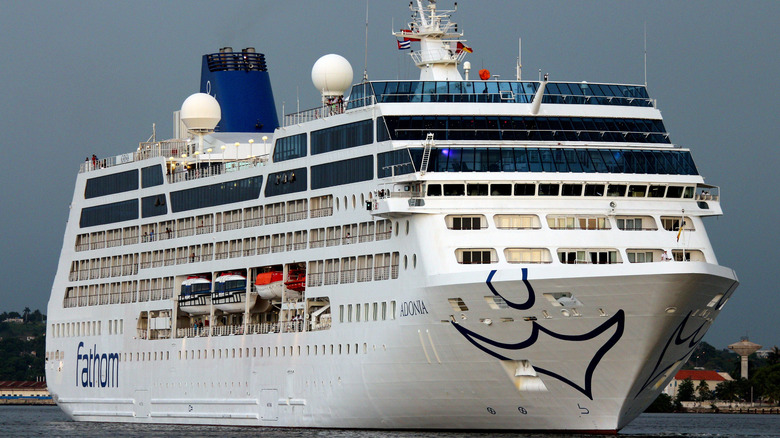
The cruise line Fathom, owned by Carnival Corporation, was launched in 2016 with the unique idea of serving as both a vacation cruise and an opportunity to give back to local communities through volunteerism. The cruise line's first (and only) ship was named Adonia, and it sailed from Florida on seven-day cruises to the Dominican Republic and Cuba, where passengers would participate in "voluntourism" shore activities, such as teaching English or helping build homes.
Although Fathom's mission was an ambitious one, its target audience of altruistic cruise travelers may have been too narrow to scale. Plus, the concept had some detractors who questioned the ethics and practicality of bringing unskilled wealthy Westerners to do the work that the area's residents were probably better suited for.
Fathom made its final voyage in 2017, and its ship was sold to Azamara. Though the cruise line's lifespan was short, its legacy lives on as several of Carnival's cruise lines continued to offer "social impact" shore excursions.
Home Lines
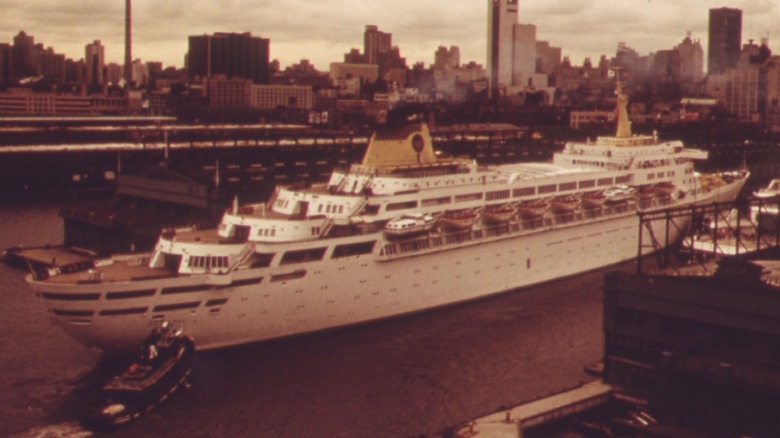
Home Lines was a cruise line that got its start in Italy in 1946, running until 1988, when it was purchased by Holland America Line. Passengers list Home Lines at the top of the list of favorite cruise lines that no longer exist, raving about the dignified waitstaff, the Italian ambiance, and the excellent music and food. "Home Lines was the cruise line in the '60s and '70s. It was elegant and classy," reports one reviewer on a cruisecritic.com message board. The cruise line was so beloved, in fact, that reportedly, former employees and passengers host regular reunions at an Italian restaurant in New York City.
While at its height, the cruise line operated nine ships, including the popular Atlantic, Homeric, Oceanic, and Doric; none of those ships exist today. Eight of them have been scrapped, and one of the ships, Doric, was sunk off the coast of South Africa in 2001.
Royal Viking Line
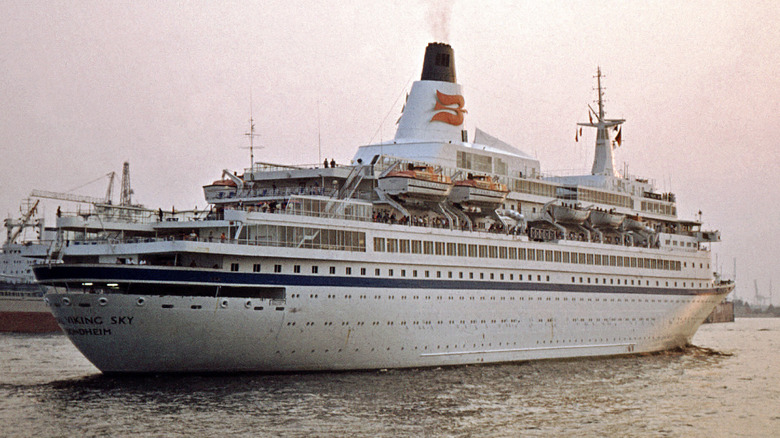
Launching in 1972, Royal Viking Line was known for its roomy cabins, "private club" vibes, and attention to luxury details, like the live harp music played during tea time and a Bloody Mary that was served in fresh, carved green peppers, as former passengers report. As a Norwegian company based in San Francisco, Royal Viking Line catered to a wealthy and famous clientele. "Royal Viking Line was one of the pioneers of the upmarket cruise segment," reports an article titled The Rise and Fall of Royal Viking Line.
While Royal Viking Line ships had a range of amenities, such as lounges, libraries, and chapels, what made the cruise line stand out was the first-class service. "It was considered the "Cadillac" of cruise lines when it was in operation, and the cuisine, service, and ambience supported that opinion. Ships were well laid out, easy to get around, uncrowded," says a former passenger on cruisecritic.com.
Although the company halted operations in 1994, a number of its ships still exist today, sailing under new names and company logos. The Royal Viking Sun, for example, is now Holland America Line's Prinsendam, and the Royal Viking Queen has been rebranded as Windstar Cruises Star Legend. You can also book a cabin on the similarly-named Viking Cruises, which offers some of the best river cruises in all of Europe, and now offers ocean cruises, too. While the two cruise lines are not directly related, Viking Cruises was founded by the Royal Viking Line's leadership team, which includes the company's former CEO.
Methodology
In creating this list of the top cruise lines that no longer exist, we focused on cruise brands that were once either popular or unique in some way. As we combed through cruise message boards, we paid close attention to threads that asked a variation of the question "What's your favorite cruise line that no longer exists?" If a particular cruise line was mentioned two or more times, we added it to our list. We then hit the internet to search for information about how each cruise line was started, what made it special, and what led to its demise. We found a lot of this information from the website cruiseoctopus.com, which has an interesting series called "The Rise and Fall of", which highlights the history behind several once-thriving cruise lines that have since sunk into obscurity.
All of the ships included on this list left a lasting legacy in their wake, whether they reshaped the way the middle class traveled (Sitmar), brought more nuance to cruise excursions (Fathom), or remain in the hearts and minds of the passengers and crew who once called the ships their home (or home away from home).