
San Francisco's Vibrant Neighborhood Is 'A Portal To The Rich Tapestry Of Japanese Culture'
Although San Francisco's iconic Chinatown is the oldest in the U.S. and a well-known hub for Asian culture in California, the city also has an area specifically celebrating its Japanese heritage. San Francisco's Japantown is comprised of just about six square blocks in the heart of the city, but in that small, dense area, you can find what The Japantown Community Benefit District describes as "a portal to the rich tapestry of Japanese culture."
The neighborhood has roots back to 1906, when the Japanese communities in Chinatown and South of Market were destroyed by a large earthquake and subsequent fire. At one point, it spanned around 40 blocks, but after World War II and the forced internment of Americans of Japanese descent by the U.S. government, it was reduced to its current size. As of 2026, Japantown has a population of just under 4,000. However, the population is diverse, and the majority of people living there today are not Japanese American. As the oldest and largest remaining Japanese neighborhood in the country, San Francisco's Japantown keeps the district's culture alive with restaurants, shops, and festivals.
Getting to the iconic area is easy. The San Francisco International Airport is about 13 miles away, and public transportation is easy to find. The BART can get you around the city, or the No. 38, 22, 3, and 2 bus lines cut through Japantown. If you want to stay here and fully immerse yourself in the Japanese style, stay the night at the boutique Kimpton Hotel Enso, featuring a minimalist wabi-sabi design.
Japantown's malls and Peace Plaza transport you across the Pacific
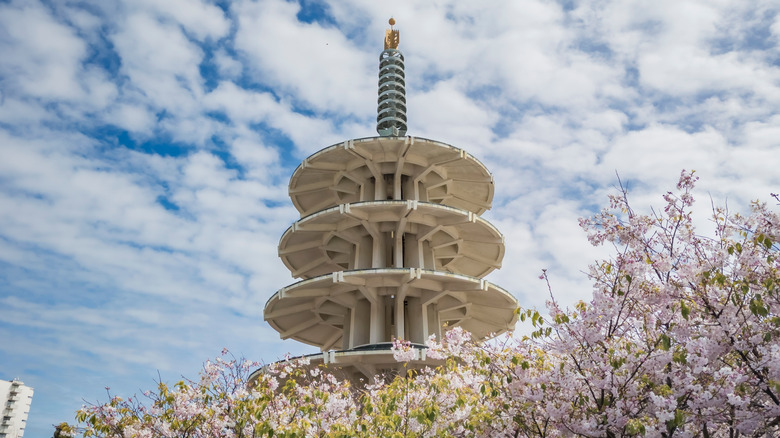
A five-tiered pagoda rises over the Peace Plaza, the visual centerpiece of Japantown. A gift from San Francisco's sister city, Osaka, in 1968, the Buddhist stupa is similar in appearance to those found in Nara, Japan's ancient city that served as its capital in the eighth century. As of this writing, the plaza is under renovation until the middle of 2026, but once it reopens, it will have cherry trees and a stage for performances.
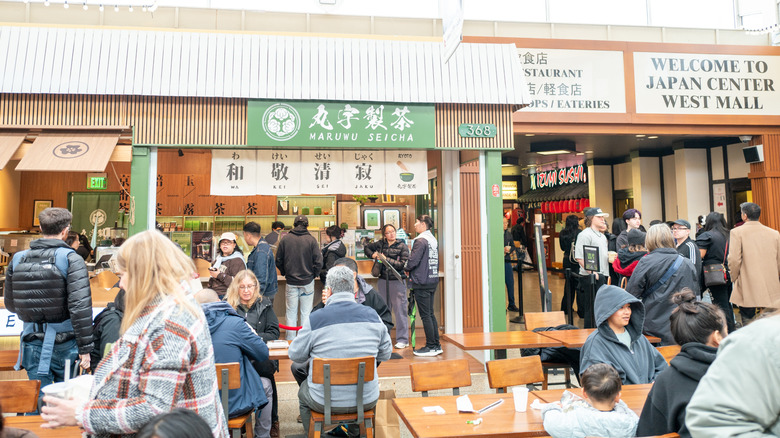
Around the Peace Plaza are the Japan Center Malls. Full of cafés and shops, there are three interconnected malls — East, West, and the Kinokuniya building (connected by an enclosed pedestrian bridge to the East mall). The Kinokuniya Bookstore, which has 18 locations across the country, has manga, art books, and novels in both English and Japanese. After picking up some books, try a hojicha cream puff from jina bakes. Cream puffs have been a Japanese favorite since the French brought them to the island nation in the 1800s, and the addition of hojicha green tea gives them a pleasant toastiness. After your snack, dip into a traditional Japanese onsen at Kabuki Springs and Spa. The spa and bathhouse have been open for over 50 years, offering communal hot and cold pools, as well as massage services, body rituals, and facials.
Across from the malls and the plaza is the open-air Buchanan Mall, with a cobblestone walking street reminiscent of an old Japanese village. There are two origami fountains, designed by Ruth Asawa, but they are now simply intriguing sculptures, with no current plans to run water through them again. On the corner, Soko Hardware has been selling beautiful sake sets, furoshiki cloths for sustainably wrapping gifts, and garden figurines since 1925.
Lots of excitement on the streets of Japantown
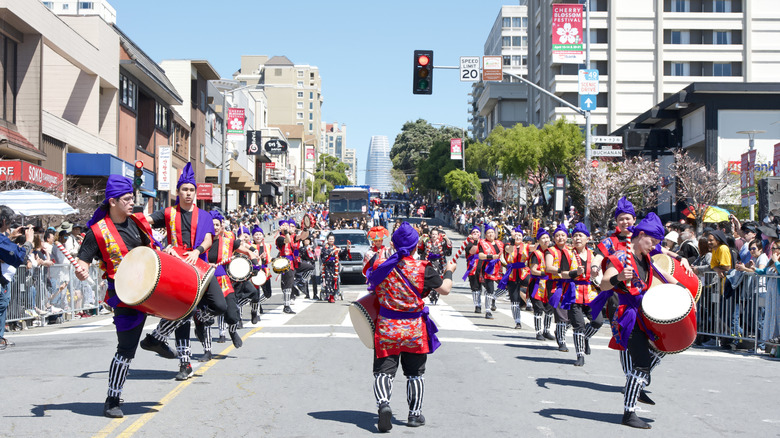
Japantown's transportive atmosphere comes especially alive during its festivals. At the end of April, the neighborhood hosts the Northern California Cherry Blossom Festival. Over the course of two weekends, the plaza comes alive with a parade, taiko drummers, martial arts lessons, arts and crafts booths, and koto music, all with the backdrop of cherry trees in full blossom. Don't worry if you miss it — there are many great places to see cherry blossoms in bloom in the U.S.
The Nihonmachi Street Fair takes place in August and celebrates the area's Asian American, Native Hawaiian, and Pacific Islander communities. Food, arts, and music from taiko to salsa fill the streets, celebrating the rich diversity of the neighborhood. The festival began in 1973 as a way to connect neighborhood youth with their heritage, and that spirit continues today. Throughout the year, the planning committee behind the Nihonmachi Street Fair puts on other pop-up festivals, like Aloha By The Bay, which celebrates Hawaiian culture with a daylong slate of musicians and a movie at night.
Japantown's wide array of festivals keeps the neighborhood vibrant and alive year-round, and the area has a full event directory. During the San Francisco Anime Festival, voice actors from "Dragon Ball," "One Piece," and "Pokémon" hold meet-and-greets, signing autographs for cosplay fans. Around the end of August, the origami store Paper Tree hosts Origami-Palooza. Learn the art of folding paper with origami masters, and view the intricate designs on display.