
Pennsylvania's Busiest Highway To Navigate (And Why Drivers Dread It)
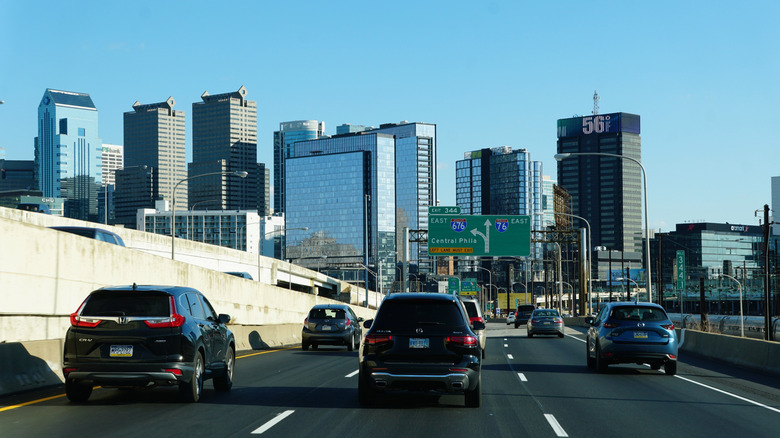
The 18-mile, eastern-most strip of Pennsylvania's busiest highway, Interstate 76, has 163,000 vehicles traveling within city limits along the Vine Street Expressway (Interstate 676), accrding to abc 27. Another 109,000 more cars, trucks, and buses join you by the time I-76 intersects with the Blue Route (Interstate 476). Known as the Schuylkill Expressway to locals, the intersection at the Vine and the Blue Route places Pennsylvania among the nation's most congested states, per Reason Foundation.
The cobblestone streets of Philadelphia were originally built for horse and carriage, not semis, school buses, and soccer moms in SUVs. Nonetheless, the relief this highway was intended to provide to area commuters was undermined by engineering flaws in the original plans. Designed to manage 35,000 vehicles, the Schuykill has arguably been congested since the day it opened in 1958.
The stretch from Belmont Avenue to the Conshohocken Curve, with its rock-cut banks on the eastbound side, steep dropoffs on the westbound, and narrow shoulders on both, gets particularly log-jammed on the best of days. Ironically, I-76 also takes you to one of Philly's most walkable suburbs, the vibrant Conshohocken.
Drivers love to dread the Schuylkill Expressway
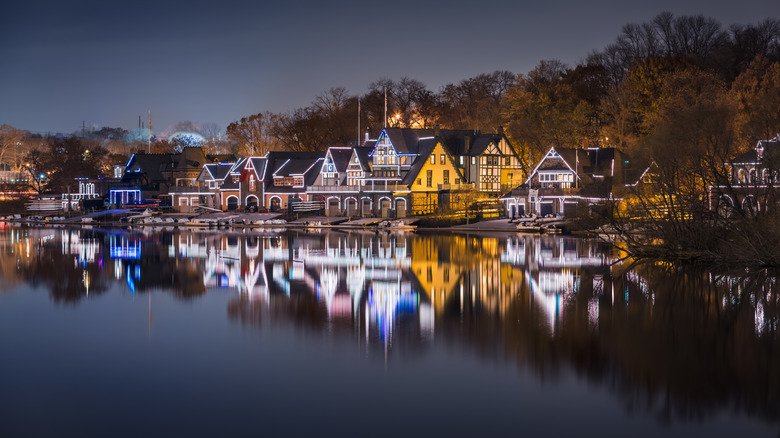
The Schuylkill Expressway, with no traffic, is a beautiful thing that offers glimpses of historic landmarks such as Boathouse Row and tree-lined sections of Fairmount Park as it winds along the Schuylkill River. Navigating this curvy trail from King of Prussia to Center City at top speeds is sheer energy. But when the Schuykill gets bad, it's very, very, bad. Some say that if you can drive the Schuylkill, you can drive anywhere.
Driving into or out of Philadelphia on I-76 is a gamble, no matter the time of day. Not only are commuters challenged by the sheer volume of traffic, but many exits and onramps are also considered too short for modern standards. Meanwhile, it has sudden downshifts from three lanes to one, many left exits, and infrequent signage to indicate the abrupt changes compared to newer highway systems. In case you think you can pull off to consider if you've missed an exit, its narrow shoulders don't allow room for pullovers, making it more like an 18-mile construction shute.
While these conditions thrill an expert driver on a clear day, the natural conditions along the Schuylkill generate what comprehensive insurance labels "acts of God." With so many old trees lining the east-bound lane, any amount of rain turns low-lying areas at bridges and near drains into flash-flooding conditions due to runoff as branches fall and clog the old system. Likewise, heavy rain brings down cascades of rocks and mud to clutter the road.
Alternatives for getting out of Philadelphia
Drivers in the region looking for alternative ways to access Philadelphia's suburbs — such as Flourtown, with its lush gardens and small-town charm — will find many more lanes, but they come with just as many obstacles. Route 95 runs north and south around the city, providing as many as six lanes of egress for 160,000 vehicles a day to other interstates.
Locals will often hustle their favorite combination of city streets and county roads, such as Route 30, Route 3, and Route 1, braving traffic lights every tenth of a mile, and playing Frogger with pedestrians. Southeastern Pennsylvania Transportation Authority (SEPTA) also operates commuter buses that run to surrounding counties, but be prepared for travel times that are doubled or tripled for the same distance.
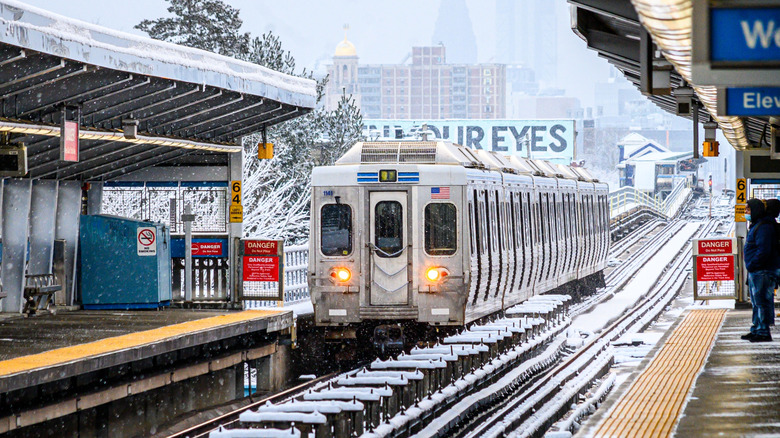
Trains and a smartphone offer the most convenience for travelers looking to avoid the highways. Amtrak runs express service to the suburbs, complete with restrooms and quiet cars, with no baggage limits or reservations required (during off-peak hours) to get out of the city all the way to Lancaster, Harrisburg, and Pittsburgh. SEPTA trains and trolleys run more frequently and make more stops, providing easy access to Philly's most affordable suburbs.