
Hidden In The Southern California Mountains Are Granite Slot Canyons That Feel Like Zion National Park
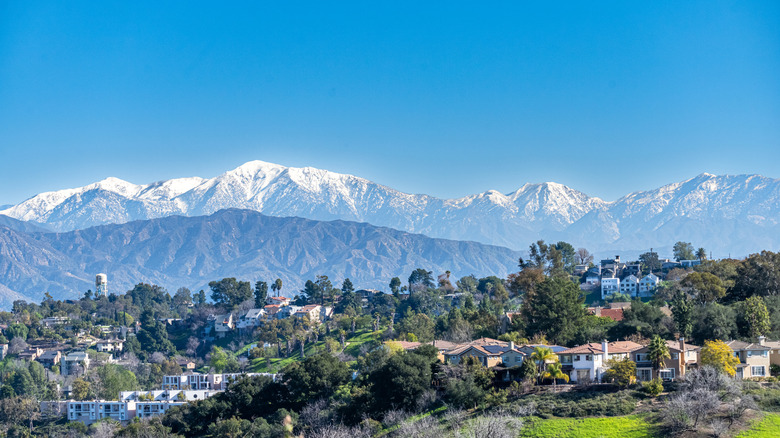
Southern California is flush with natural beauty that sprawls from its inland mountain ranges to the sparkling Pacific Ocean. While the region is famous for its golden beaches, one little-known miracle of its sun-kissed landscape is that the sand lining its world-famous coastline is due to erosion in the majestic San Gabriel Mountains. A vast, forested, and biodiverse expanse with hidden, quiet waterfalls and spectacular mountain drives, the range comprises 124 named peaks and a menagerie of granite slot canyons. The San Gabriels tower dramatically over the northern edge of Los Angeles, representing a mini version of the iconic Zion National Park for some visitors. According to the Coalition of American Canyoneers, the San Gabriels' rugged terrain is an excellent training ground for thrill-seeking canyoneers looking to conquer Zion's more challenging wilderness.
The sublime San Gabriels are part of Southern California's Transverse Ranges. These awe-inspiring mountains stretch nearly 70 miles from Santa Clarita in the west to San Bernardino in the east, forming much of the Angeles National Forest. In 2014, President Barack Obama designated the San Gabriels the nation's 110th National Monument, a move aimed at protecting this vital and historic area from commercial development. The mountains notably supply water to Los Angeles, house endangered wildlife, and were once sacred land to the region's indigenous people.
Mount San Antonio, also known as Mount Baldy, is the San Gabriels' highest peak, which scrapes the sky at 10,064 feet. This tempting yet treacherous peak is not for the novice hiker, as it has claimed the lives of countless people over the years, including the actor Julian Sands. Despite the more unforgiving nooks and crannies, these mountains teem with natural wonders that are a perfect fit for canyoneering, a not-for-the-faint-of-heart sport that blends hiking, rock hopping, rappelling, and swimming through hidden canyons.
The San Gabriels are a training ground for canyoneering in Zion National Park
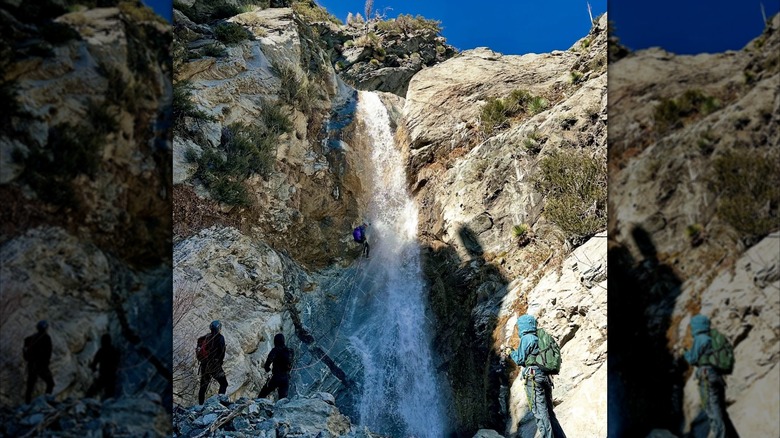
The San Gabriels' awe-inspiring topography promises some of Southern California's best canyoneering. Secret canyons allow nature-loving adrenaline junkies to bounce off rocks, splash through waterfalls, and rappel over hulking rocks. As the Coalition of American Canyoneers puts it, "The accessibility of this range allows weekend warriors to enjoy a quick route while training for the longer and more technical descents found in Grand Canyon, Zion, and relatively nearby Death Valley."
Utah's first national park, Zion is a 150,000-acre natural wonder that draws nearly 5 million visitors per year to its striking pink and red sandstone cliffs, which tower anywhere from 2,000 to 3,000 feet into the sky. The granite, chaparral-covered San Gabriels lack this distinctive Zion feature, yet both protected, biodiverse landscapes are awash in precious wildlife, vibrant plant communities, gargantuan boulders, forested terrain, and the deep-slotted, waterfall-abundant canyons where canyoneering comes alive.
Although the rolling San Gabriel Mountains are three times larger than Zion National Park, Zion's canyons pose longer descents and more technical challenges than the slopes of its California counterpart. For this reason, embarking on shorter, less complex adventures in the San Gabriels can be great prep for acquiring the advanced canyoneering skills required to tackle Zion.
Canyoneering thrills abound for all levels in the San Gabriel Mountains
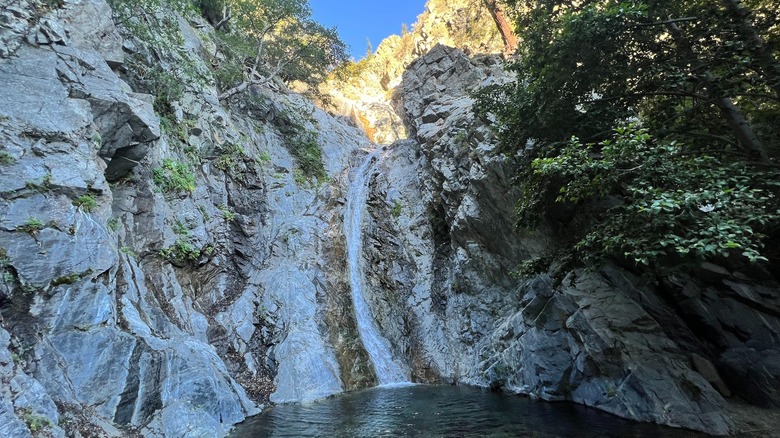
Whether you're a skilled canyoneer, a beginner, or somewhere in between, there's canyoneering in the San Gabriels to suit all levels. A recommendation in the r/canyoneering thread on Reddit suggests beginners consider starting in Little Santa Anita Canyon. "It's short, no real serious drops, no water issues. Well-traveled, too, so the webbing and anchors will probably be in good shape," one commenter advises.
Bring a wetsuit to tackle Middle Fork Lytle Creek, a challenging trek where seasoned canyoneers will find several waterfalls, including the 30-foot Third Stream Crossing Falls. Soaring pines and cedars color the adventure, but keep your eyes peeled for poison oak. Avid canyoneer Kat Carney, a blogger for outdoor apparel and gear company REI, rhapsodizes that the flowing flumes at Bonita Falls have all the feels of jungle canyoneering through a stunning, tropical waterfall. "The approach is steep and off-trail, but well worth the descent. I've done this canyon four times, and I will do it again because at times, it feels like Hawaii instead of Southern California."
Remember to never head into the San Gabriels without taking some basic precautions. Winter weather is cold and icy, and summers can be scorching, so plan your attire and hydration accordingly. Avoid the area for at least 48 hours after heavy rains in the event of flooding or mudslides. Fires are also a very real threat. Eaton Canyon, a beloved canyoneering site, is closed until the end of 2027 due to a devastating 2025 fire.