
Tucked Between Kansas City And Wichita Is An Artificial Lake Known For Fishing And Camping
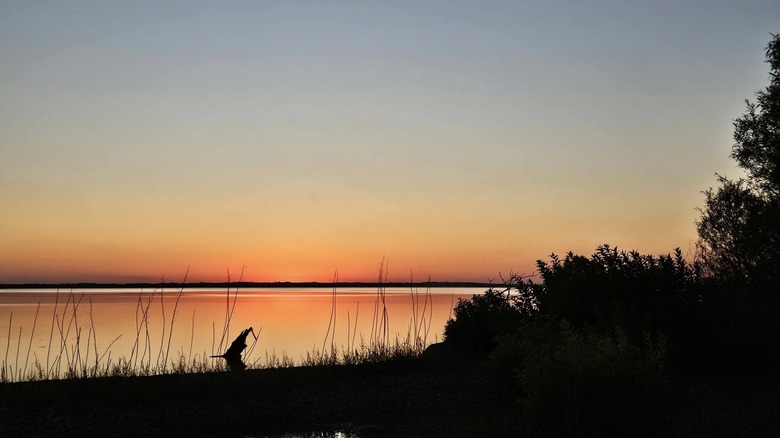
Situated at the edge of Kansas' Flint Hills, the John Redmond Reservoir has miles of shoreline surrounded by prairie to discover. The reservoir, bookended by a scenic dam on one side, is dotted with wildlife and recreation areas for fishing, camping, or nature viewing. Though the lake was artificially formed in the 1950s, it encapsulates an intriguing blend of natural landscapes and curated infrastructure. Campgrounds, picnic facilities, and boat ramps make the site easy to access for campers or fishers, while the pretty, framing Flint Hills are one of the country's last remaining tallgrass prairies. That gives the reservoir a unique appeal for visitors, who get to enjoy its waterfront activities in the midst of a special, native habitat.
The wildlife at John Redmond Reservoir is abundant, as is its fish population. Visitors can take a boat out onto the lake, or, when water levels are lower, you can cast a line out from the shores near the dam. Two species of catfish, white bass, and crappie are stocked in the lake, according to a Kansas Department of Wildlife and Parks report. If you're looking for spots with higher chances of getting a bite, the report also provides brush pile coordinates.
Visitors who prefer to keep their eyes set on the wildlife flying overhead will be pleased to know there are nearly 300 different bird species that live around the reservoir, which falls within a migratory route for ducks and geese. Close enough to Kansas City or Wichita for a weekend outing, the reservoir is a convenient getaway destination for fishing, birdwatching, and taking in sunset dam views.
Tips for getting to John Redmond Reservoir and staying overnight
From Kansas City, it's around a two-hour drive to the John Redmond Reservoir, and the Kansas City International Airport makes it a convenient gateway for long-haul travelers. From the low-cost, wildly underrated city of Wichita, the drive is around the same length but originates from the southwest. Because the reservoir is managed by the U.S. Army Corps of Engineers (USACE), USACE fees apply, but they're very affordable; you can pay the day-use fee online at recreation.gov. There's also an information office on the east side of the dam, which is helpful if you need directions once you arrive or if you have questions about passes.
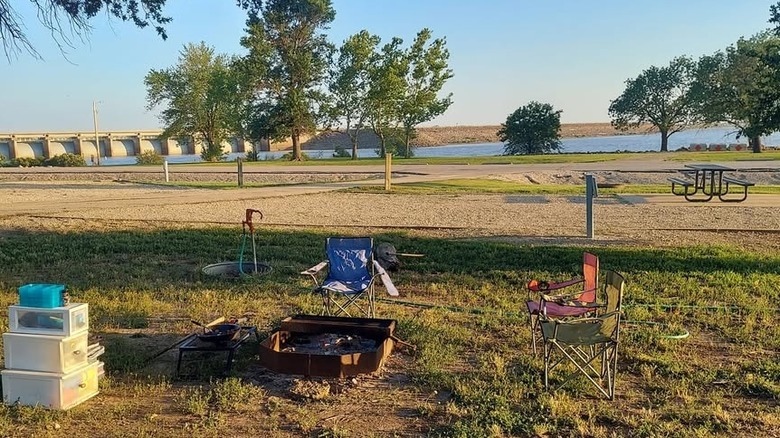
Visitors who plan to spend time under the stars (it has been recommended as a top-tier stargazing spot on Reddit, after all) have three campground options. All of them are clustered near the dam and come with the basic camping amenities: fire rings, tables, and water and electric hookups, plus toilet and shower stations. Each site has good reviews, with the Riverside East Campground, which has slightly more reviews than the others, receiving generous praise for its cleanliness. "Camping is right on the bank of Neosho river at the base of the dam. Beautiful layout. Clean showers," one Google reviewer wrote.
Note that while you are allowed to swim in the reservoir, there aren't any designated swim beaches or areas, so be cautious about the water depth. If you plan to spend all of your time there on land, there's a 1.5-mile hiking trail at Riverside East Park. For road-trippers, the reservoir also pairs well with a drive on the Flint Hills National Scenic Byway, which runs through the Great Plains to the reservoir's west.