
The Best City In Asia For 2026 Has Affordable Eats, Historic Neighborhoods, And World-Class Bike-Friendly Streets
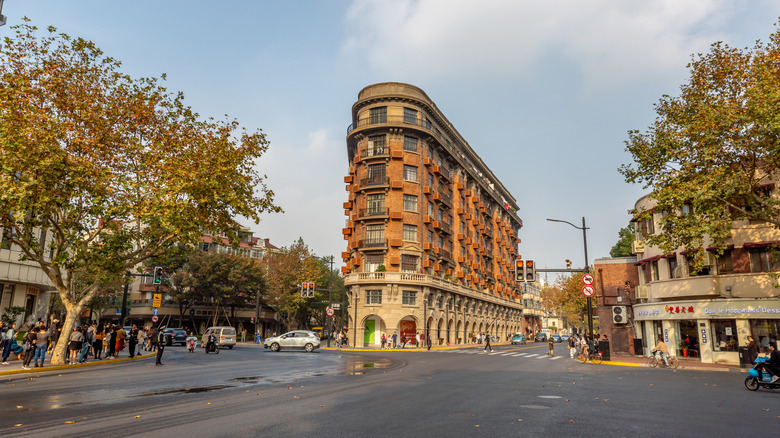
Shanghai was my home for 7 years. It's been 2 years since I left, and I'm still not over it. So when Time Out released its 50 Best Cities in the World in 2026 — with Shanghai ranked as the top city in Asia and No. 2 globally behind Melbourne — my first reaction was, "Well, of course it is."
Shanghai isn't the first city that pops into most people's heads when it comes to planning a vacation in Asia — and that's precisely why you should go. Few cities weave contrasts into daily life quite like Shanghai, where food stalls sit within walking distance of Michelin-starred restaurants; futuristic skylines rise above traditional neighborhoods; and electric cars share the roads with bike-pedaling locals.
The lure of delicious, filling meals for under $5, strolls through streets reminiscent of old colonial Europe, unearthing unexpected attractions the guidebooks miss, and cycling through animated neighborhoods await the adventurous traveler — and with China's visa-free policy now extended to 50 countries worldwide, there's never been a better time to visit one of Asia's most dynamic and exciting cities in 2026.
Eating and biking your way through Shanghai
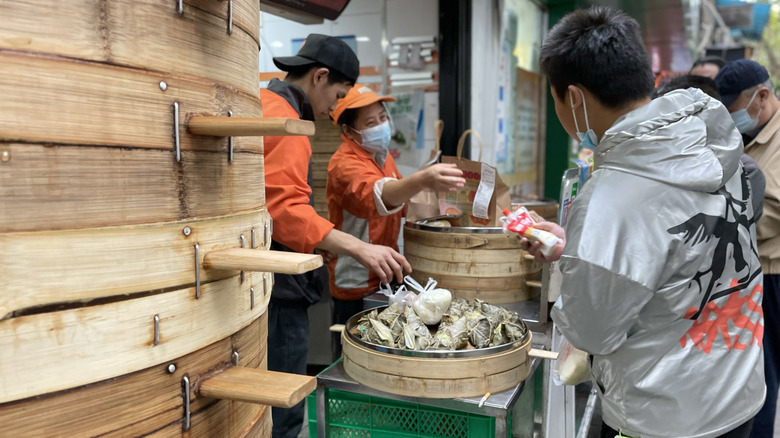
Shanghai seems intent on winning visitors over through its food — and there is plenty of it, available from early morning to well past midnight. Street food has certainly won me over, and I heartily recommend eating local. You're never far from food kiosks, noodle shops, and neighborhood canteens in this city. And the best part is that this smorgasbord of culinary delights remains delightfully affordable: Time Out's survey found that 88% of respondents deemed Shanghai a haven for cheap eats. Steamed baozi (pork and ginger-stuffed buns), jianbing (a crispy Chinese crepe stuffed with egg, lettuce, cilantro, chili paste, and a crunchy breadstick), and xiaolongbao (soup-filled dumplings) are street food staples that cost anywhere between $0.50 and $3. Hearty sit-down meals at local spots often run $5 to $12. Overwhelmed with choices? Here's the golden rule: Head to a restaurant that's filled with locals and devoid of any English menus — that's a good sign you're in for an authentic and affordable meal.
Fortunately, Shanghai's bicycle-friendly streets give you every opportunity to pedal away those carbs. Over the years, I've witnessed the street rules and conduct evolve to accommodate the safety of cyclists and e-scooters. Formerly the road's underdogs, they now enjoy the dedicated bike lanes on almost every street — and even along some major highways. "Because two-wheeled vehicles are so ubiquitous, automobile drivers are used to driving with cyclists and scooters around," wrote blogger Justina Forever.
Hellobike and Meituan are two popular bike-sharing networks in Shanghai, costing $0.20 for the first 20 minutes and an additional $0.14 per hour afterward. With blessedly flat streets, cycling gets you exploring Shanghai like a local.
Discover Shanghai's historical neighborhoods
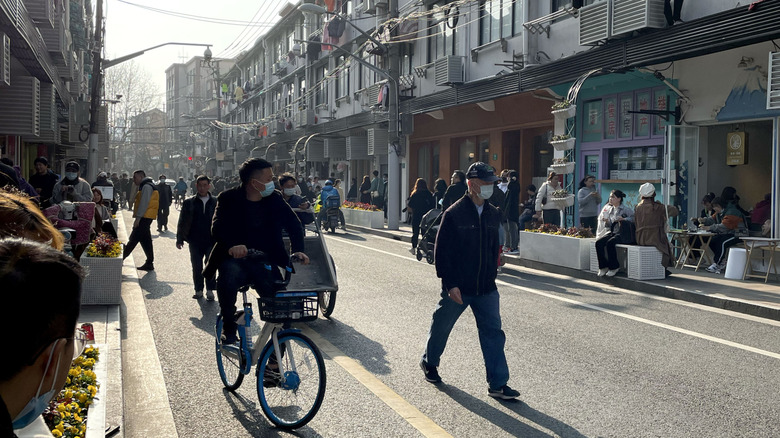
Safe in the knowledge that you can blissfully pedal your way along Shanghai, it's time to zoom in on some neighborhoods worth exploring. Shanghai is divided by the Huangpu River: the western side, Puxi, cradles the heart of old Shanghai, while newer constructions and high-rises occupy the eastern side, Pudong. There's a bit of a New York parallel at play — foreigners cheekily refer to the division as "Pu-York" and "Pu-Jersey."
Make your way to the Former French Concession, one of the prettiest neighborhoods in the city. Steeped in history, it was occupied by the French and other foreign settlements from 1849 to 1943, leaving behind a distinct architectural legacy: shikumen (stone-gated residential compounds made up of labyrinthine alleyways), Spanish and French-style villas, and Art Deco buildings slotted along picturesque streets lined with plane trees. Julu Lu, Wulumuqi Lu, Wuyuan Lu, and Fuxing Lu are just some of the best streets for people-watching from the cafés and restaurants dotting these areas. Meanwhile, Jing'an District is a hodgepodge of traditional buildings and glitzy malls. Case in point: it houses the historic Jing'an Temple, a solemn temple complex surrounded by busy shopping centers and gleaming office buildings.
Nanshi, Shanghai's old city, merits a spot in your itinerary for strolls along local laneway residences and a visit to Yuyuan Garden and Bazaar, where bustling commercial establishments and restaurants surround a restored 16th-century garden of rock formations, koi ponds, and traditional Chinese pavilions. People's Square and the Bund are alive with bars, wide shopping streets, and a picturesque waterfront where you can marvel at the extravagant display of brightly lit skyscrapers across the river in Pudong — a sight that prompted Rick Steves to call Shanghai a futuristic, Jetsons-like Asian city.