
What Are The 5 Best Foodie Destinations In The US For 2026?
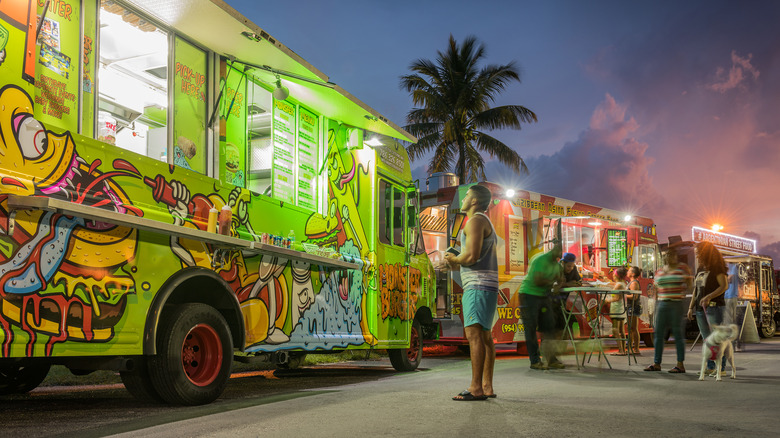
One of the great things about meeting fellow travelers is discovering the inspiration for their wanderlust. Some people travel to visit family and friends, for cultural engagement, or to crawl from pub to pub, drinking their body weight in beer. Others want to hike a mountain, dive to wreckage on the seafloor, or spend the week on a snowboard or skis. But one increasingly common reason for travel is food, a pastime that takes many forms: dining in a haute-cuisine restaurant, wandering through bustling markets, searching for a family-run deli featured on your favorite food-and-travel show, or discovering hidden gems on a city food tour. Travelers in America are no stranger to such experiences, with renowned food cities and innovative dining experiences scattered across the country.
According to the 2026 TravelBoom Leisure Travel Study, 80% of respondents take food into consideration when choosing a destination. More interestingly, two-thirds of those respondents are most excited about street food and unique local dining experiences, rather than high-end cuisine. This change in travelers' tastes has occurred in lockstep with a booming American food truck and street food scene, birthing new flavors, fusions, and opportunities for foodie travelers to expand their culinary horizons.
The five destinations below, selected using resources like the Michelin Guide and WalletHub rankings, reflect the trend of high-quality dining experiences available at various price ranges, from award-winning restaurants to hole-in-the-walls, diners, and food trucks. The destinations also represent the geographical and ethnic diversity of the modern United States, featuring large multicultural cities, Southern soul food on the Gulf Coast, New England's dynamic food scene, and Route 66, the nation's "Mother Road."
Miami
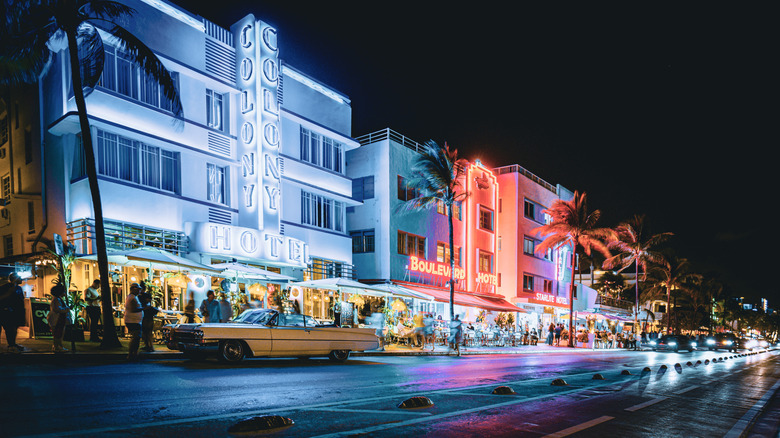
Miami has been considered one of America's liveliest food cities for years. Gordon Ramsay heaped praise on the "Magic City" for its cultural diversity, smoky, sweet, and spicy Latin American flavors, and, in particular, the fried snapper sandwiches at La Camaronera. The city's restaurants and chefs are consistently celebrated at the annual James Beard Awards, including Nando Chang of Itamae AO, who won the category of Best Chef: South in 2025. In a September 2025 report, WalletHub named Miami the No.-1 foodie city in the country.
WalletHub's report noted the diversity, accessibility, and quality of Miami's food culture — it came second only to San Francisco in this category — and that's exactly what you'll find here. Sure, there's bespoke Michelin-starred fare, like modern French cuisine at L'Atelier de Joël Robuchon or contemporary American tasting menus at Stubborn Seed. But Miami fine dining is also notoriously expensive, and part of the fun is discovering and experimenting with the diverse flavor profiles enjoyed by locals. Jerk chicken, fried fish, arepas, Cubanos, and Asian fusion — all are part of the fabric of Miami's thriving cuisine culture.
If you're craving Jamaican cuisine, Clive's Cafe in Little Haiti is one of best low-key spots for classic Jamaican fare, including curry goat, barbecue chicken, and oxtail. But in vintage Miami fashion, it also serves unusual (and tasty) fusion dishes, including a jerk chicken alfredo pasta. El Mago de las Fritas also belongs on your culinary itinerary. The no-frills restaurant has been serving Cuban-style smashburgers to Miami locals for more than 40 years, and it has a 4.8-star rating across 1,200 reviews on Google at the time of this writing. For other affordable eats, sample Miami's food truck scene, whether that's zesty tacos from Ay! Tacos, Colombian-style fried plantains at OMG Top Chef, or Puerto Rican flavors from El Bori on northwest 36th Street.
San Francisco
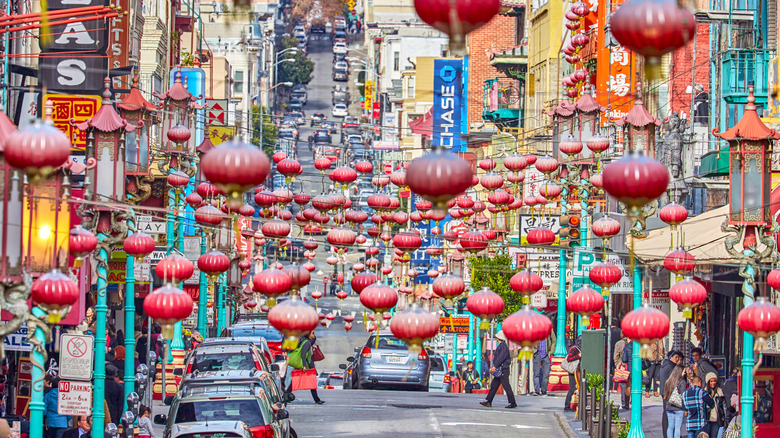
WalletHub judged San Francisco to be the best food city in America for diversity, accessibility and quality, and the third-best food city overall. LetzGo City Tours named it among the top 10 food cities in America for 2026, highlighting neighborhoods like Chinatown, Little Italy, and Fisherman's Wharf. And that's without mentioning the authentic restaurants and lively izakayas of Japantown, or culinary hotspots like The Mission and The Richmond districts, both packed full of restaurants exemplifying why San Francisco is one of the world's great cultural melting pots.
Start exploring the city's food scene at the beginning. California's oldest restaurant, Tadich Grill, captures the essence of classic San Francisco cuisine, having served grilled dishes and fresh produce to Bay Area locals since 1849. Though steeped in tradition, the atmosphere is laid back and the menu — featuring oysters, clam chowder, and pot roast — is equally unpretentious. After visiting Tadich Grill in the Financial District, make sure you visit The Mission. Locals will often recommend this district on the northern end of the city to foodies. Mission-style burritos owe their name to this part of town; head to La Taqueria and Taqueria El Farolito to settle the age-old debate over which one is king.
After getting your burrito fix, partake in the city's Asian cuisine. San Francisco has a significant Asian population, which is represented in the city's food landscape. Restaurants specializing in Thai, Japanese, Chinese, and Korean cuisines have earned Michelin stars. In Japantown, authentic spots like An, an omakase sushi restaurant, or Hinodeya Dashi Ramen wouldn't look out of place on the streets of Tokyo. Chinatown, the largest and oldest Chinese neighborhood in North America, is a playground for culinary adventures. The Richmond is considered a second Chinatown in the city, and Thrillist named it as the best neighborhood in San Francisco to eat. You'll also find highly-rated Middle Eastern, European, and new American cuisine in the neighborhood.
New Orleans
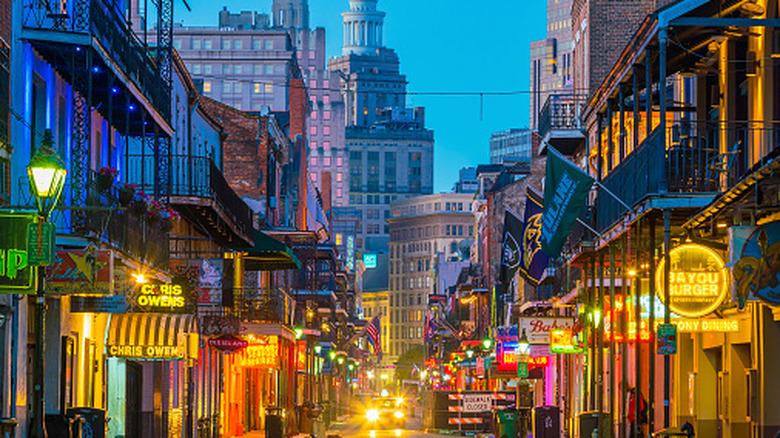
According to the Michelin Guide, New Orleans is one of the best North American destinations for food lovers in 2026. A city known for hearty soul food like gumbo, jambalaya, crawfish, po' boys, beignets, and Sicilian-style muffuletta sandwiches, it also has three Michelin-starred restaurants serving contemporary American cuisine influenced by New Orleans' Cajun and Creole roots. New Orleans was even named the best food destination in the U.S. in the Tripadvisor Traveler's Choice Awards in 2025, and it is widely regarded as a must-visit for foodies traveling through the American South.
The terms Creole and Cajun are often used interchangeably, but there are differences. Cajun food originated from a French-Canadian colony exiled to Louisiana in the 1700s. It is hearty and features bold flavors, smoked meats, and one-pot dishes. It's heartland is west of the city. Creole is harder to define. A fusion cuisine born of European, African, and Native American flavors, it's often seen as more urbane, the cosmopolitan food of New Orleans, featuring tomato-based sauces, fresh herbs, and local seafood. The French Quarter is arguably the best place in town to eat Cajun-Creole food. Shops like Zesty Creole, Gumbo Shop, and Nola Poboys all score well on review platforms. While Verti Marte, one of Anthony Bourdain's favorite hole-in-the-wall New Orleans eateries, is the spot to go for a muffuletta.
To experience New Orleans-style fine dining, head to Zasu or Saint-Germain, both of which have earned a Michelin star for creating — and delivering on — elegant menus that celebrate the culinary heritage of their host city. With two Michelin stars, Emeril's could claim to be the best restaurant in town. The tasting menu screams artistry and refinement.
Boston
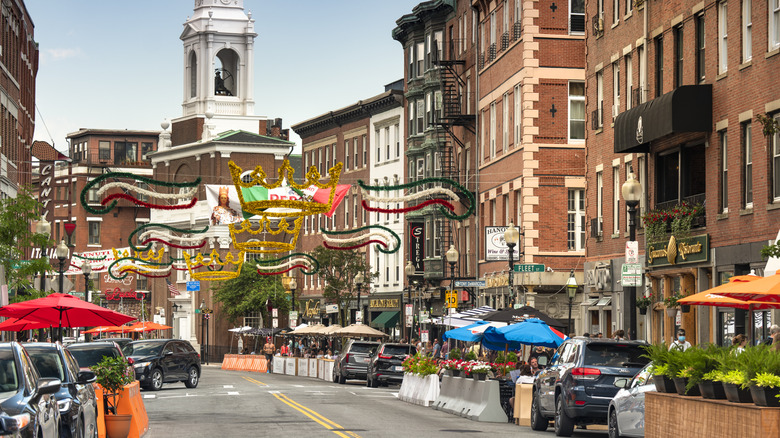
The Michelin Guide included Boston on its list of cities for food lovers in 2026, and the city earned its first Michelin star with 311 Omakase. Located in South End, the Japanese restaurant is a love letter to traditional Japanese food and a celebration of ingredients. Helmed by Chef Wei Fa Chen, who studied under Masa Takayama, owner of the first three-star Japanese restaurant in the U.S., 311 Omakase was awarded its star in 2025.
Elsewhere in the city, traditional Bostonian cuisine epitomizes New England, featuring lobster rolls, cream pies, Atlantic shellfish, and a dish of breaded young fish, known as "scrod." Found along Boston's famous Freedom Trail is one of America's oldest, most renowned restaurants, the Union Oyster House, which opened in 1826. This National Historic Landmark serves all the classics: crab cakes, baked clams, clam chowder, lobster rolls, broiled Boston scrod, and, of course, oysters. For another slice of history, book a lunch at Omni Parker House, where the city's famous Boston cream pies were first made and the soft dinner rolls known as Parker House rolls were first served. The menu might feel old-fashioned, but perhaps that's appropriate at one of the most iconic restaurants in America.
Foodies should also head to historic Quincy Market Colonnade, where stalls serve up chowders, lobster rolls, and other treats. Or take the Boston's Best North End Food Tour around Little Italy, which earned five stars with more than 900 Google reviews at the time of this writing. Continue with the experience of Boston's multiculturalism through food in Chinatown and Jamaica Plain. Across the Charles River in Cambridge are two Michelin Bib Gourmands. Jahunger serves Uyghur cuisine, with its Chinese and Middle Eastern influences, and Pagu serves Spanish-Asian fusion.
Route 66
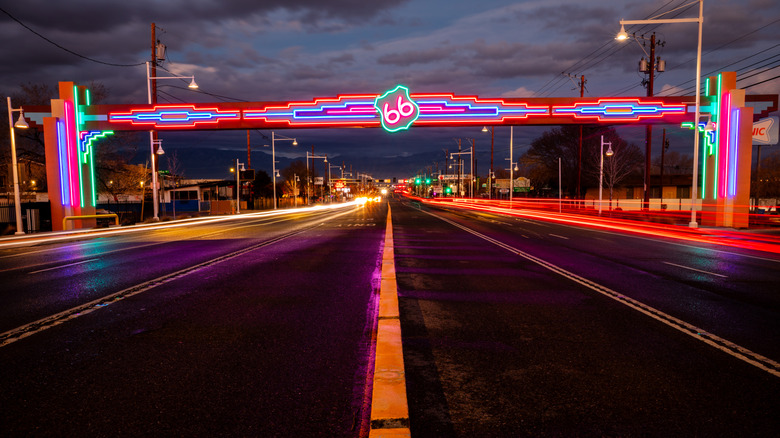
Freedom and Americana. Dusty highways, two-pump gas stations, sun-scorched saloons. Hitchhikers journeying out West and biker gangs, all roaring chrome and cracked leather, moving across the asphalt. Route 66 has given birth to an enduring mythology; it embodies the pursuit of the American Dream. But few would associate it with food. Well, that might be about to change. Both Eater and the Michelin Guide mentioned Route 66 among the top U.S. food destinations to visit in 2026, which is appropriate, as it's the year America's Mother Road turns 100.
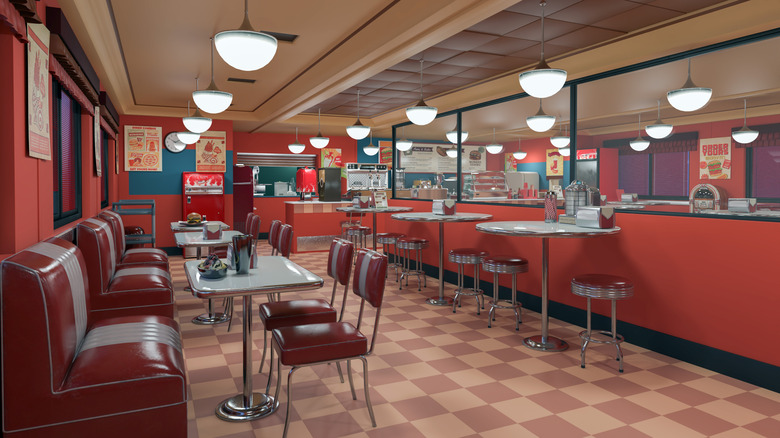
Starting in Illinois, visit Lou Mitchell's, an acclaimed Chicago diner. It has been serving classic American diner fare — pancake stacks, French toast, scrambled eggs, crispy bacon, and enough coffee to wake the dead — for more than a century. Westward travelers should fill up here before the long journey ahead. Route 66 takes you across Illinois, then ventures through six more states and by numerous worthwhile culinary spots before reaching California. Meat lovers should stop at Missouri Hick in Cuba, Missouri. With its wooden paneling and animal-pelt decor, it looks like a meeting ground for fur trappers. The menu — full of sausages, smoked and pulled meats — is all about generosity and flavor. Then, when you're passing through Oklahoma City with its booming food scene, stop in boutique restaurants like Nonesuch and Akai Sushi, or one of the classic rib-and-brisket joints.
Michelin is introducing its guide to the American Southwest for the first time in 2026, meaning eateries in Route 66 states like Arizona and New Mexico are eligible for its accolades. Albuquerque is one of the most exciting food cities in this corner of America: Mesa Provisions, serving Southwest-inspired tasting menus, was nominated for a James Beard Award in both 2024 and 2026. You can also time your visit for Food Truck Fridays, held from March through September at Civic Plaza, as an introduction to the city's multicultural food scene.
Methodology
To establish the best food destinations in the U.S. for 2026, we looked for destinations that served food that was considered traditional to the destination — like lobster rolls in Boston, or Cubanos in Miami. We also looked for innovative culinary experiences, whether the destinations had Michelin-recognized restaurants, cool food tours, or chefs who create exciting modern dishes inspired by the destination's culinary roots.
To judge how highly rated a food destination was, we consulted rankings by platforms including WalletHub, Tripadvisor, and LetzGo City Tours. We then used food-centric resources like the Michelin Guide, Eater, and YouTube food and travel vlogs to establish which restaurants, hole-in-the-walls, and food trucks were worth a stop, cross-referencing these establishments with their ratings on review platforms. We also tried to suggest quality culinary experiences at both ends of the price spectrum, because sometimes you want to wolf down pancakes in a greasy-spoon diner, and other times you'll do whatever it takes to secure a table at the hottest restaurant in town. Hopefully this guide inspires you to do both.