
Forget Florida, Visit 'Alabama's Everglades' For Gulf Coast Beaches And Swamps
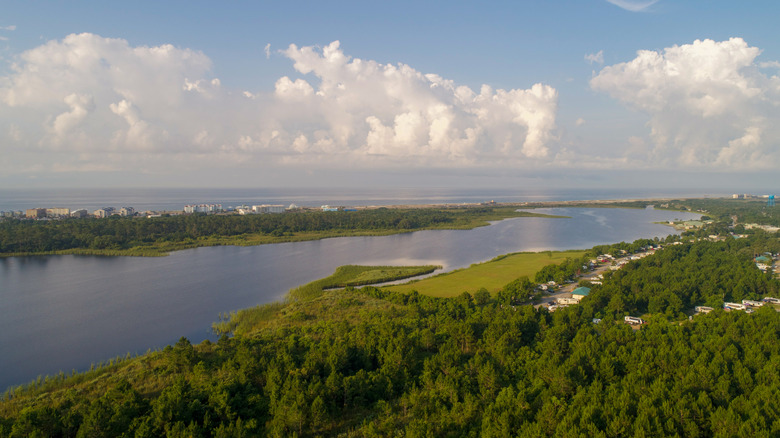
Designated as a UNESCO World Heritage Site for its habitats, biodiversity, and unique geological features, the Florida Everglades is also an underrated national park with traies pls, endemic species, and unique experiences to enjoy. While the modern-day 1.5 million-acre Everglades National Park is the largest subtropical environment in the United States, its ecosystems share some of the humidity and coastal biodiversity with neighboring southern states. That overlap in climate and ecosystems means you don't necessarily have to travel all the way to South Florida to experience similar wetlands and wildlife.
One such place is Alabama's Gulf State Park, located on the Gulf Coast bordering Florida. This diverse park features miles of sugar-white sand beaches, abundant biodiversity, and hardwood swamps that rival those of its Floridian neighbor. While it doesn't have the scale of the Everglades, it offers a similarly varied mix of wetlands, coastal habitats, and wildlife in a more compact, accessible setting. A Tripadvisor user even dubbed it the "Alabama's Everglades" for its range of environments, including palmetto forests, dunes, pine savannas, swampy bogs, and both brackish and freshwater habitats where wildlife proliferates. Wildlife aficionados may be able to spot alligators, tree frogs, snapping turtles — and even a rare mouse species endemic to Alabama's beaches. With clearly marked, well-maintained boardwalk paths, visitors can easily explore the park on foot or by bike.
The park is about 50 miles southeast of Mobile, roughly a one-hour drive. Alternatively, you can fly directly to Gulf Shores International Airport – a small hub but well connected to larger airports, including Cincinnati, Des Moines, and Oklahoma City, among others. From there, the most common access point is off Alabama Highway 59 in Gulf Shores.
Visit the Gulf State Park for its sugar sand beaches
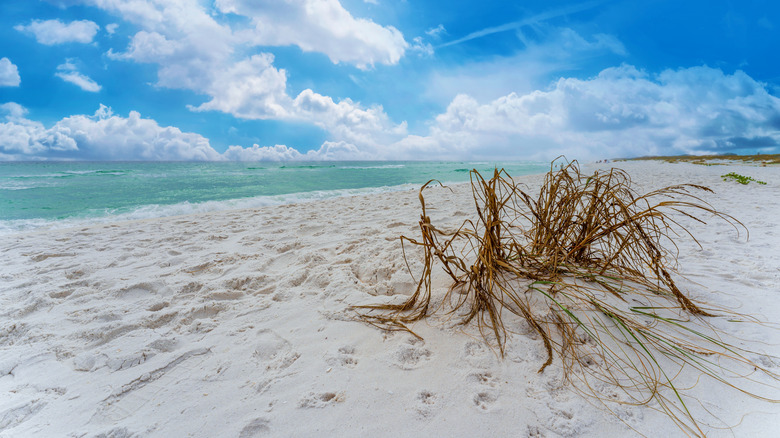
Florida's Everglades are home to an archipelago of wild islands offering breathtaking views of mangrove habitats and a chance to enjoy crowd-free beaches in one of America's wildest places. While "Alabama's Everglades" may not have access to the Ten Thousand Islands archipelago, its array of sandy beaches along the Gulf Coast is a well-loved destination, with about 3 million people visiting per year. On top of that, the Gulf State Park occupies a significant chunk – almost 6% – of Alabama's total coastline, which measures about 60 miles and stretches from Orange Beach to Gulf Shores.
Winter is an ideal time to visit the park's 3.5 miles of sugar-white sand beaches, both to enjoy the wildlife and to have the beaches all to yourself. Temperatures between December and March average 50 to 60 degrees Fahrenheit, providing a mild and pleasant backdrop to enjoy its many waterways, from lakeside activities to beach exploration, biking, or hitting the trails. Head to the Beach Pavilion for public beach access to miles of natural shoreline framed by scenic dunes and sea oats. The Pavilion is also equipped with facilities, including restrooms, showers, accessible ramps, and two concession stands operating seasonally.
If you're planning a longer stay, camping is a popular option. The park offers over 500 campsites, including primitive sites, RV spots, and modern accommodations. In 2026, Gulf State Park's campground was ranked among USA Today's 10 Best RV Campgrounds.
Explore swamps and wildlife hotspots in Gulf State Park
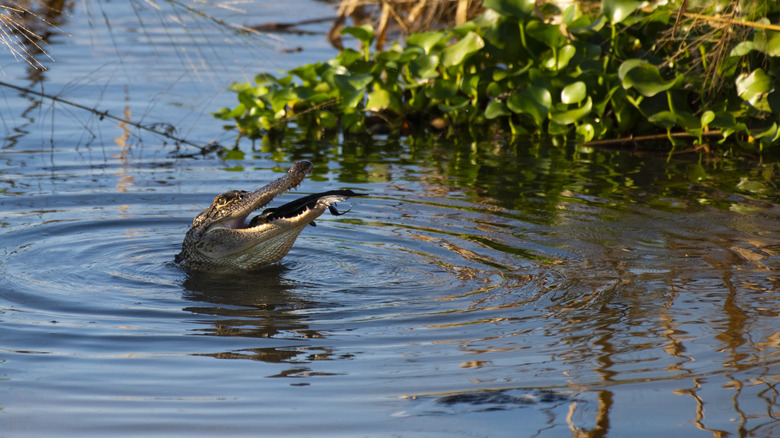
Thanks to its location, Gulf State Park is not just an idyllic beach destination, but also a diverse ecological preserve that includes swamplands, savannas, coastal sand dunes, and marshes. The latter are among the park's nine main ecosystems and span more than 6,000 acres, offering visitors plenty of activities. Start at the Interpretive Center to learn about the environments present in the park before you go out exploring. Boardwalks throughout the park allow visitors to cross wetlands and marshes without disturbing them. Many of these paths are part of the Hugh S. Branyon Backcountry Trail, a popular route for both hiking and biking.
When it comes to wetland wildlife, this Alabama Park has a few similarities with its Florida counterpart. For example, if you want to spot alligators and other endemic reptiles, including red-spotted mud snakes and Gulf Coast spiny softshell turtles, venture into the coastal hardwood swamps. If you are patient (and lucky), you can even spot bobcats on the Twin Bridges. Another highlight is the pitcher plant bog, where several species of these carnivorous plants grow, including white-top and purple pitcher plants native to the region.
Though not among the top 5 most endangered national parks in America, as is the case with the Florida Everglades, Alabama's Gulf State Park plays an important role in regional conservation efforts. It is also home to the endangered Alabama beach mouse, a small, nocturnal rodent that inhabits the coastal dunes.