
Tucked Inside North Myrtle Beach Is South Carolina's Nature Preserve With Dunes And Trails
We may receive a commission on purchases made from links.
Thanks to its busy oceanfront boardwalk and bustling food scene, Myrtle Beach was named one of America's favorite getaways in 2025. However, if you're looking for peace and quiet away from the crowds, consider checking out its sister community up the coast. North Myrtle Beach has calm, wide beaches and beautiful green spaces, like the Ingram Dunes Natural Area, a nature preserve with picturesque dunes and lovely trails.
The pretty wooded park wouldn't exist without the involvement of local residents. Not long ago, there were plans to build a housing development on the property. However, residents persuaded city and state legislators to preserve the historic land instead. In 2019, the City of Myrtle Beach purchased the plot and turned it into a 7.24-acre urban sanctuary for all to enjoy.
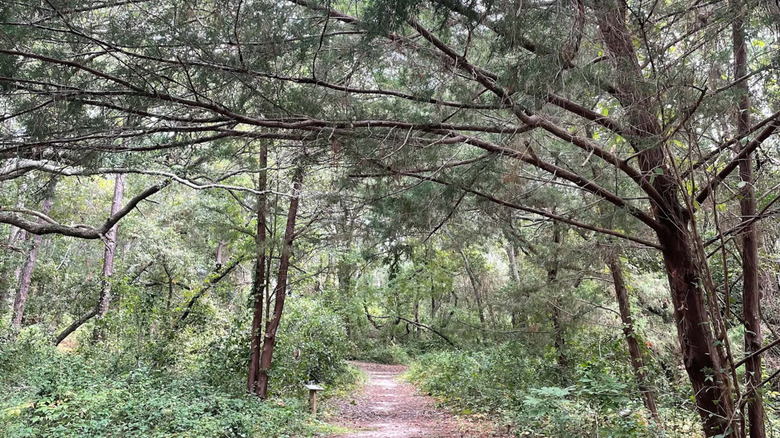
It's easy to understand why locals (and the city) would want to protect this unique site: It's all that remains of a millennia-old dune system, which features some of the tallest dunes on the state's coast. The South Carolina Environmental Law Project calls the dunes "one of the last remaining undisturbed natural areas in the city" and has fought to protect them. The dunes even approach the height of the tallest dune system on the Atlantic coast, which is found at Jockey's Ridge State Park in North Carolina's Outer Banks region. Visitors can explore the dunes and the scenic forest on the reserve's nature trails, which are free to access and open from dawn to dusk. There are two entrances: one on Hillside Drive between 9th and 10th Avenues South (where parking is free), and another on Strand Avenue.
Discover ancient dunes in North Myrtle Beach
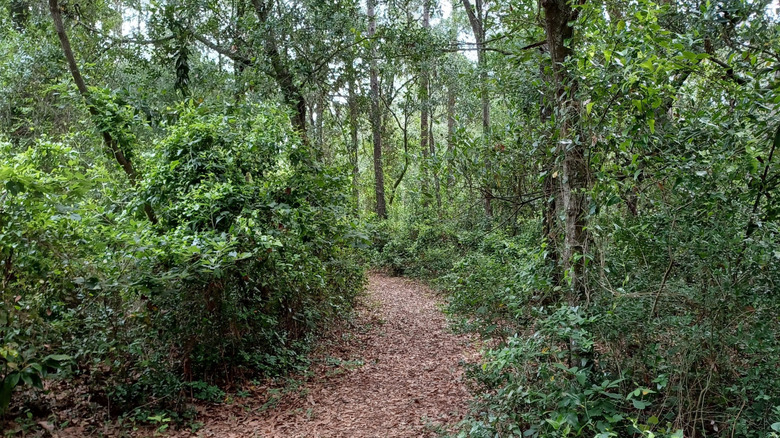
Once inside, maintaining a quiet atmosphere is important. If you walk and talk quietly, you can enjoy the sound of the ocean's waves beyond the forest's edge. It's also crucial to leave wildlife undisturbed — the dunes and their live oak trees are a habitat for deer, owls, foxes, turtles, and migratory birds. One hiker who left a review on AllTrails also mentioned spotting snakes.
As you wander Ingram Dunes' trails, including one path that leads up the side of a dune, you can imagine how the place would have looked many years ago, when ocean levels were much higher. According to the reserve's official website, the dunes were probably once submerged in the Atlantic, with their tops protruding from the sea's surface like islands. Archaeological artifacts uncovered on the land, including arrowheads and pottery shards, suggest that the dunes served as temporary encampments for the Waccamaw people, who once fished here.
There are no picnic tables or restrooms at Ingram Dunes, adding to its peaceful air. All you're likely to see here are people (and their dogs) enjoying a stroll on shaded trails near the beach. After you've seen the reserve, continue into the Crescent Beach neighborhood of North Myrtle Beach, a family-friendly area with parks, playgrounds, pickleball courts, and lots of places to eat. For lunch with an ocean view, try Molly Darcy's Irish Pub and Restaurant, and if you're looking for a place to stay overnight in the area, try the Ocean Edge Motel. As the name suggests, it's right on the beach, about a 15-minute walk or a 2-minute drive from Ingram Dunes Nature Preserve. Myrtle Beach International Airport is a 40-minute drive away.