
Airport Security In 1960 Looked Completely Different
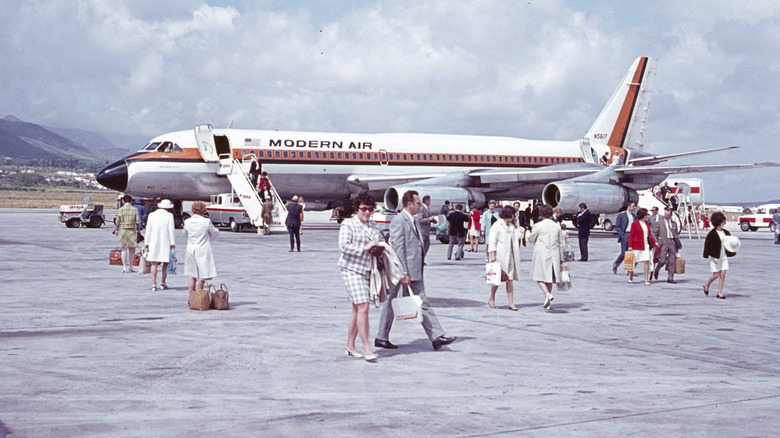
You may have heard this one: "Back in my day, there hardly was any airport security. You could walk right up to the plane!" It sounds like a weird dream – open airport terminals, families greeting their loved ones at the gates, and not a single X-ray machine in sight. Flying in the 1960s was about as carefree as boarding a train at your local Amtrak station. This is just one of the five ways air travel was a totally different experience from today.
Why were airlines so trusting? In part, commercial air travel was still fairly new in the "Swinging Sixties," and it remained a luxurious experience. Think of Don Draper from "Mad Men," sipping cocktails and savoring mid-flight meals with actual silverware. Not only could passengers board the plane with un-inspected luggage, but they didn't typically have to present identification. Today, even showing up at the airport without a proper ID could come with a new charge.
That started to change at the end of the decade. Politics were heating up around the world, and dropping fares meant more people could afford to fly. Smugglers and criminals started to see jetliners as easy targets. The number of terrorist seizures is astonishing: 137 planes were hijacked in the U.S. between 1968 and 1972. Most "skyjackers" were motivated by either political protest or simple extortion, but the specific causes and demands were wide-ranging. Pilots and passengers felt like sitting ducks, and the dangers of an armed takeover or bomb threat at 35,000 feet were simply too frightening to ignore.
The pros and cons of enhanced airport security
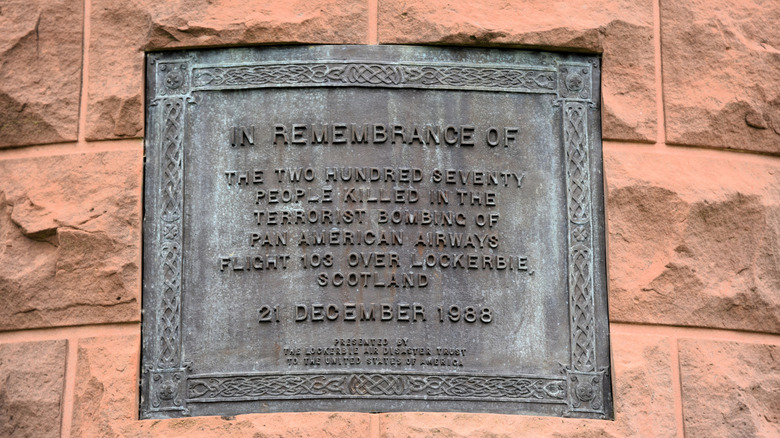
Many airports introduced X-rays and bomb-sniffing dogs in the 1970s, and all carry-on luggage had to be inspected. Yet airports were still fairly porous in 1988, when a bomb detonated aboard Pan Am 103 and killed 270 people over Lockerbie, Scotland. Then, 13 years later, the September 11 attacks transformed airline security forever: TSA mandated sophisticated technologies, like wands and body scanners, to pinpoint potential threats. After Richard Reid, the so-called "shoe bomber," was apprehended in late 2001, TSA required many passengers to remove their footwear as well.
While increased security is a real headache, and a growing number of travelers are avoiding air travel altogether, many conventions have improved since the 1960s. Most airports now have restaurants, retail, and disability services that no one could have imagined six decades ago. Indoor smoking is no longer permitted in almost any U.S. airport (never mind airplane cabins), which is a refreshing policy for non-smokers. If you lose your paper ticket, you can just print another one; that wasn't the case during the Kennedy Administration. Most importantly, skyjackings seldom happen anywhere in the world, which is a testament to enhanced airport security. And for the next time you're waiting at the checkpoint, be sure to check out TSA security secrets travelers will want to know.