
Wisconsin's Once-Thriving Mining Settlement Was Abandoned And Transformed Into A Restored Historic Site
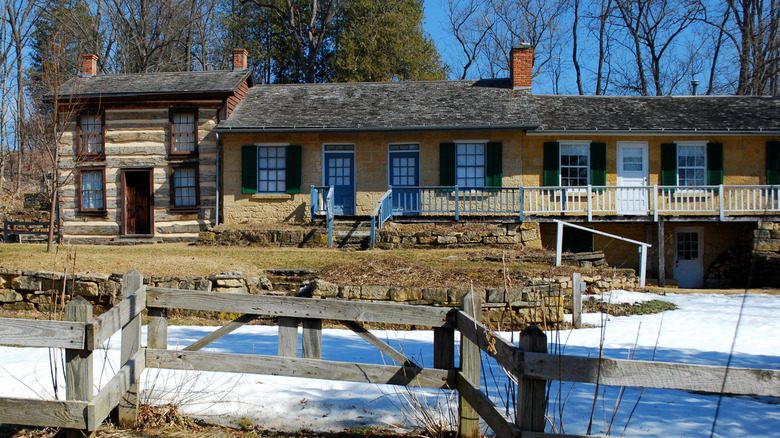
Mineral Point, Wisconsin, is a place with a lot of history and culture. You can see it in the old Cornish cottages, scenic bluffside trails, and thriving arts scene. While exploring this charming village, take a walk north along Shakerag Street for about 10 minutes to find Pendarvis, an abandoned 19th-century mining settlement turned historic preservation site.
If you're driving from Milwaukee, it's a road trip of a little over two hours west to reach Mineral Point. Madison is even closer, just about an hour away by car. Visit during the summer months, and you can tour the interiors of the structures and experience life in 19th century Wisconsin. Visitors should note that Pendarvis is closed in the winter, but the Pendarvis Museum Store is open all year.
Lead mining turned the region into a thriving economic hub in the 1830s, but the settlement dwindled when the boom went bust. In 1849, most of the miners headed west to California to join the hunt for gold. Of course, these new Gold Rush towns would also thrive before being abandoned. Zinc was discovered in Mineral Point in 1891, bringing a second boom, but the zinc mine would close in 1913. Many of the houses were torn down, but that's when Bob Neal and Edgar Hellum stepped in.
Pendarvis and the memories of Wisconsin's mining boom
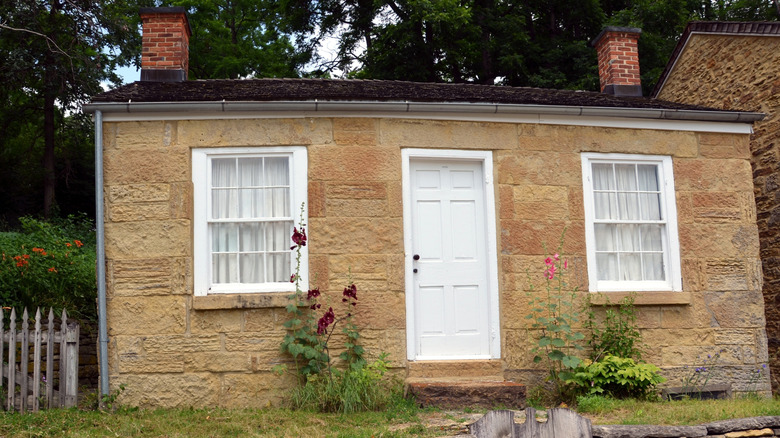
Bob Neal and Edgar Hellum met in 1934, and it was their mutual passion for old rock dwellings that inspired the couple to preserve and restore the granite homes of Pendarvis. The Wisconsin Historical Society took over in 1971, a year after the couple retired, and now operates Pendarvis as an interpretive center and living history museum.
The Pendarvis House Restaurant and the Kiddleywink Pub are two of the site's key buildings, and they host various community events. The Kiddleywink Pub was created in the 1960s and has all of the furniture, accessories, and other details of a 19th century Cornish pub. It doesn't normally serve drinks, but exceptions are made for the Lectures on Tap nights. Other restored buildings on the site include Trelawny, Polperro, and the Martin Cabin. Each structure has a name, as is Cornish tradition.
Trelawny served as a residence for the couple, and it has been preserved in the 1930s style of their time. Polperro has been restored as an authentic "Shake Rag" house, and it is also used to display various mining tools and accessories for workers. The expression "Shake Rag" comes from the image of a woman standing at the front door waving her dish rag to let the working men know that food was on the table. Finally, the Martin House was a family home originally built in 1841, making it the oldest reconstructed building on the site. It was the home of Cornwall native John Martin, his wife Christiana, and their five children.
Pendarvis is one piece of a compelling historic puzzle
The local environment suffered long-term damage from decades of mining pollution, so it went through a cleanup and recovery process in the late 20th century. Today, you can visit and tour the Merry Christmas Mine Hill Trails and Prairie, fully restored and thriving with local plant life. Guests can follow a numbered trail that includes information about the earliest mining practices of the Indigenous people, followed by the industrial methods of the settlers and the various tools they used.
Visitors on Tripadvisor give Pendarvis an average rating of 4.2, with one describing it as "magnificent and instructive" and another calling it "first class with many historical resources." Visitors also note the number of historic artifacts, and one observed, "The quality and quantity of the locally quarried cut stone buildings is absolutely amazing."
It's not just history, however, that draws visitors to Pendarvis. The lore of once-thriving but now-abandoned mining towns across the country attracts those interested in urban legends and ghost stories. Thrillist even named it "The Creepiest, Coolest Ghost Town" in Wisconsin. The publication recommends touring the eerie old mine, along with the buildings of the historic site.