
Situated Between NYC And Albany Is New York's Scenic Wilderness Area For Camping, Hiking Trails, And Fishing
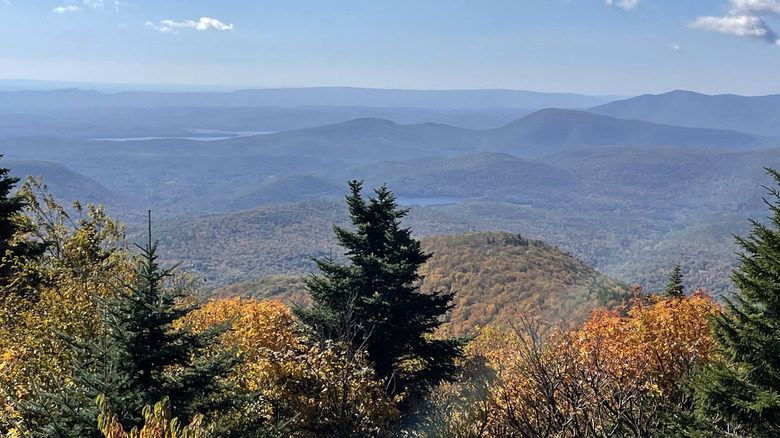
Just a couple hours from New York City, the Indian Head Wilderness squeezes in some stunning Catskills scenery, especially if you're chasing waterfalls. You might know the Catskill Mountains for its wooded slopes and mountain hollows like Big Indian with winding trails and rustic lodges. At Indian Head Wilderness, you're venturing right along one of the mountain range's high peaks, Indian Head Mountain, which reaches just over 3,500 feet in elevation. The wilderness area encompassing the mountain is a rugged backcountry, with several other peaks and numerous trails crisscrossing between them.
Hiking is one of the mainstays of Indian Head Wilderness, but outdoor recreation opportunities abound: There's fishing, camping, and wildlife viewing year-round, plus snowshoeing and cross-country skiing in the winter. All of this, to the outdoor enthusiast's advantage, is framed in gorgeous wild scenery. "An incredible forest; the riverbanks invite you to spend hours sitting on the stones or walking to contemplate so much beauty," a Google reviewer said of the area. Cliff-edged ridgelines, deep notches, and secluded waterfalls dot the landscape of the wilderness.
Relish the untamed outdoors at Indian Head Wilderness
Hikers will find a web of challenging trails in Indian Head Wilderness that climb up steep grades and involve some bushwhacking. The Devil's Path is one of the most popular trails per CNY Hiking, skirting 14 miles of ridgeline within the wilderness area and extending even further beyond. It's not for novice hikers — one Google reviewer described it as "treacherous but worth it" for the great views it afforded.
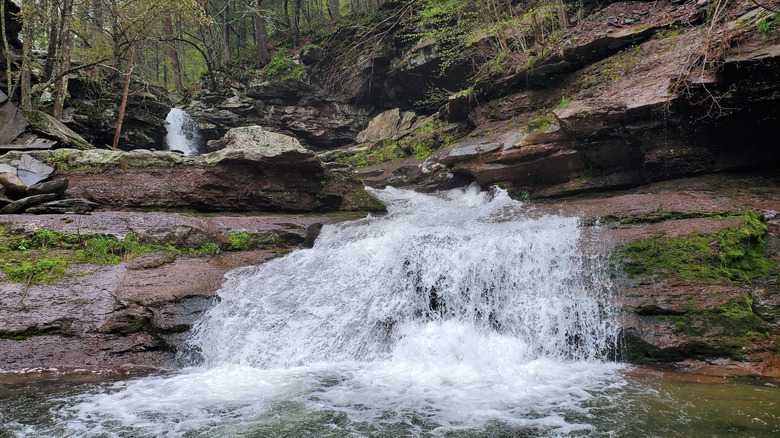
If you're a hiker who can't resist a waterfall hunt, you can take to the 3.5-mile Lewis Hollow Trail, which traces no less than 11 waterfalls along the Saw Kill Creek. Again, it's not for beginner hikers, involving potential bushwhacking, wading to cross the creek, and a high chance of timber rattlesnake encounters in warmer weather. If you're looking for an easy hike, consider the 5-mile Overlook Mountain Trail. It leads up to the Overlook Mountain summit, with some nice views out to the Hudson River. There are also a few interesting structures along the route, including the ruins of a hotel that never fully materialized and a fire tower that you can climb up. The wide trail helps in avoiding timber rattlers.
Those who prefer to stay on lower terrain and cast a line to fish can do so at a couple spots within the wilderness area. One is at Echo Lake, which can be reached on a hike branching off from the Overlook Mountain Trail. The lake is home to a population of brook trout, and you also might spot some beavers lingering around. Another trout fishing spot is the Schoharie Creek, which flows downstream from Indian Head Mountain. For more Catskills fishing opportunities, you might head to the Catskills hamlet of Roscoe, a picturesque fishing location on a river.
Getting to and camping at Indian Head Wilderness
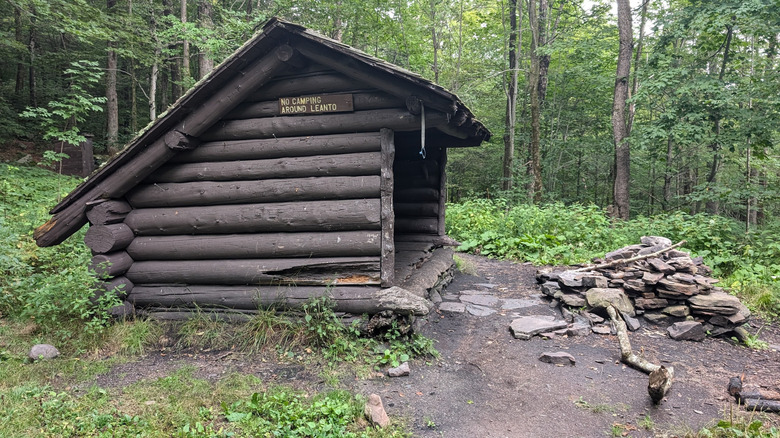
Most camping around Indian Head Wilderness is primitive, with 10 designated tent sites per the area's Department of Environmental Conservation (DEC) page; you are allowed to pitch a tent anywhere that's at least 150 feet from lakes, trails, and roads, however. There are also three lean-tos, one of which is located at Echo Lake. A Reddit user said, "Echo Lake is so great [for camping]," but warned that you won't get cell service there. There's a helpful map of where you can find viable camping spots around the area provided by CalTopo.
To reach the Indian Head Wilderness, it's around two hours and 20 minutes by car from Manhattan. You could also come from Albany and arrive in under an hour and a half by car. There are six official DEC parking lots, plus roadside parking spots available. Access to the wilderness area is free year-round. If you're looking to stay nearby overnight but don't want to camp, there are more options at Woodstock, the artsy town full of cozy charm, about a 15-minute drive from the access point off of Route 212.