
Florida's Scenic River Flowing From Alabama Is A Prime Fishing Spot For Trophy-Sized Catfish And Paddling
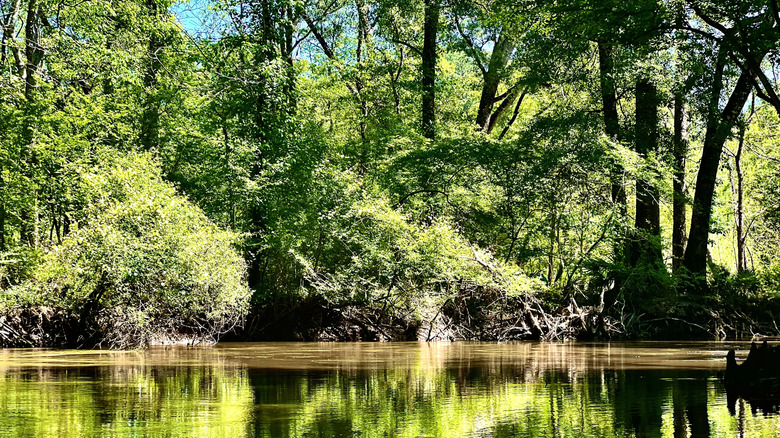
The Florida Panhandle is known as a gateway to the Gulf with numerous under-the-radar beaches. However, not all the water in this part of Florida is salt. One notable example is the Choctawhatchee River, which moves the third-highest amount of water among rivers in the Sunshine State. This scenic river, which begins in Alabama, flows across the Florida Panhandle on its way to Choctawhatchee Bay along the Gulf Coast and is a prime fishing spot for trophy-sized catfish and paddling.
Counting the Alabama portion, the Choctawhatchee River is 170 miles long. About 90 miles of that is in the Florida Panhandle, the entire length of which is bounded by the Choctawhatchee River Water Management Area. Over 30 miles of that is also managed as the Choctawhatchee River Wildlife Management Area. The Wildlife Management Area offers access points in Holmes, Walton, and Washington counties.
Destin, which is on the opposite end of Choctawhatchee Bay from the river entrance, is the closest metro area and is where the water draining from the river ultimately enters the Gulf. Along the length of the river between the bay and the Alabama border are a smattering of small towns. However, the vast majority of the land surrounding the river, including the 57,000 acres contained in the Wildlife Management Area, is comprised of floodplain forest. The river and adjacent lands are home to a vast array of unique flora and fauna, including river otters, bald eagles, and even the occasional manatee.
Catfish are top dog on the Choctawhatchee River
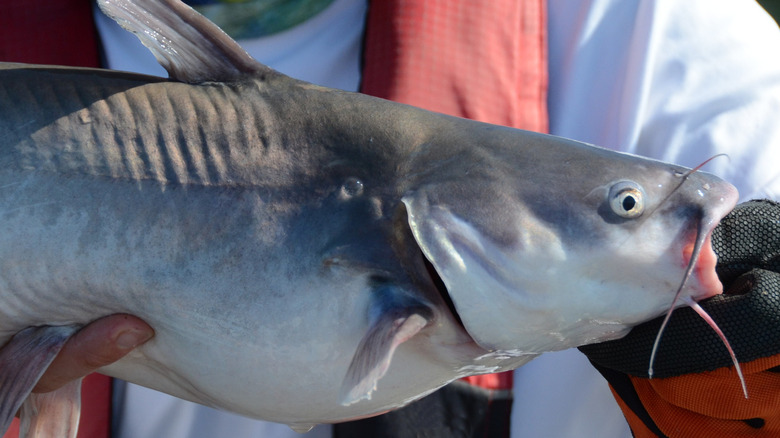
Although the Louisiana Gulf Coast town of Des Allemands bills itself as the "Catfish Capital of the Universe," the Choctawhatchee River can lay claim to top catfish honors in Florida. The current Florida state record blue catfish, which weighed 69.5 pounds, was caught in the Choctawhatchee River. However, this river also yielded a blue catfish nearly twice that size, which doesn't show up in the record books. That fish, a 120-pounder, was caught on a trotline (as opposed to rod-and-reel), so it didn't qualify as a record. It did, nonetheless, illustrate the potential for big catfish catches in the Choctawhatchee River.
In addition to catfish, anglers are also able to target a number of other species on the Choctawhatchee River. Largemouth bass are among the most popular with anglers, as they are in most areas of the United States. Choctaw bass, which was only discovered to be a separate species of black bass a little over a decade ago, is indigenous to a handful of rivers in the Florida panhandle, including the Choctawhatchee. Additionally, both striped and white bass can be found throughout most of the river and its tributaries, as can a variety of panfish.
Although much of the river is surrounded by dense forest, there is no shortage of access points. Within the Choctawhatchee River Wildlife Management Area, there are over half a dozen vehicle access points in addition to multiple boat landings. Anyone fishing the Choctawhatchee River, whether from land or boat, will need a valid Florida freshwater fishing license, which can be purchased online at GoFloridaOutdoors. Non-residents can purchase 3-day, 7-day, or annual licenses.
Paddling the Choctawhatchee River
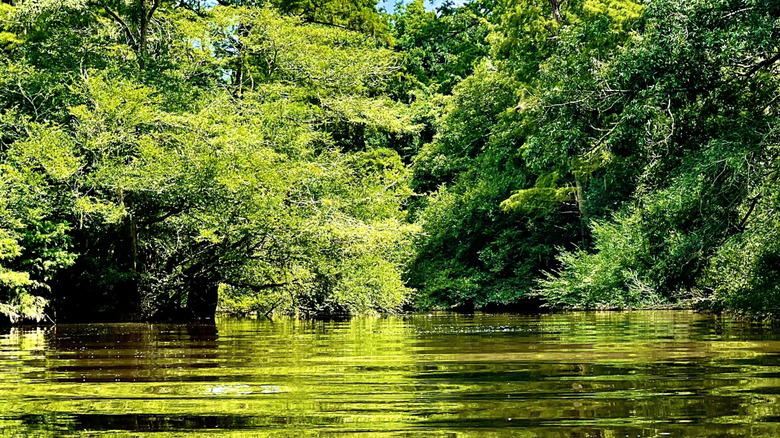
The Choctawhatchee River offers paddlers a variety of unique opportunities. For one, the majority of the riverway that lies within the state of Florida is part of the Choctawhatchee River Blueway Paddling Trail. Running from just below the Alabama state line southward to Cowford Landing at the Highway 20 bridge, this paddling trail covers a total of 64 miles. Along the way, paddlers will find various amenities such as boat ramps, canoe launches, bathroom facilities, picnic areas, and campsites.
However, you don't need to commit to a multi-day excursion to enjoy paddling on the Choctawhatchee River. There are actually a number of stretches of river that can easily be paddled in a day or less. Many anglers also utilize canoes and kayaks for fishing along the river. In areas with less current flow, it is possible to utilize the same access point for put-in and take-out. This makes places such as East Pittman Creek Landing ideal for out-and-back paddles or angling excursions.
Regardless of which stretch of river you paddle along or how many miles you cover, expect to be treated to incredible wildlife viewing opportunities. From alligators at the water's edge to whitetail deer roaming the woods on shore, it's nearly impossible to know what creatures you may encounter next. Some even claim the elusive ivory-billed woodpecker, which scientists have listed as extinct, still flies through the forests lining the Choctawhatchee River. Accessing the river is really not an issue, either. There are more than a dozen-and-a-half boat ramps and canoe/kayak launch sites along the Florida portion of the river.