
'Tokyo's Brooklyn' Is A Stylish Artisan District With Coffee Shops, Craftsmen, And Monozukuri Vibes
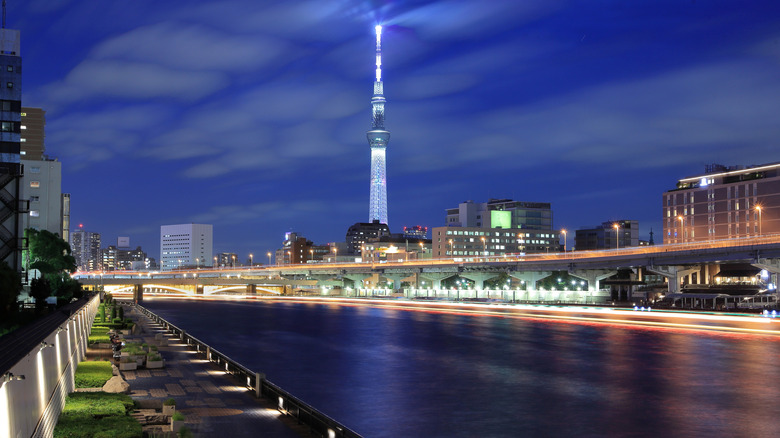
Tokyo-bound tourists are spoiled for choice when it comes to choosing a home base. Shibuya, Shinjuku, and Roppongi are among the more popular picks, and understandably so. Much of the fanfare around the city centers on busy scramble crossings, neon-lit streets, and glitzy shopping areas, but those willing to trade the buzzy atmosphere for something more unhurried and considered will find the stylish district of Kuramae entirely at their pace.
Kuramae literally translates to "in front of the storehouse," a name that traces back to the rice granaries that dominated the area during the Edo period. By the Meiji era, those granaries had given way to tanneries, factories, and other craft wholesalers. Anchored in a mercantile and industrial past, Kuramae remains steadfast in its artisanal roots to this day, evolving quietly into a hub dedicated to monozukuri, the Japanese art of making things.
The narrow streets of Kuramae are peppered with boutiques dedicated to artisanal goods ranging from coffee to homeware, stationery to leather — earning the area its "Tokyo's Brooklyn" moniker. Infused with a traditional-meets-modern vibe, Kuramae invites a slower pace — and is best explored on foot. Filled with niche discoveries from centuries-old tea companies to bean-to-bar chocolate factories, this slice of Tokyo offers experiences out of the ordinary. To get started, hop off at one of the two Kuramae Stations along the Asakusa and Oedo Subway Lines and explore the creative neighborhood from there.
The art of monozukuri is a Kuramae specialty
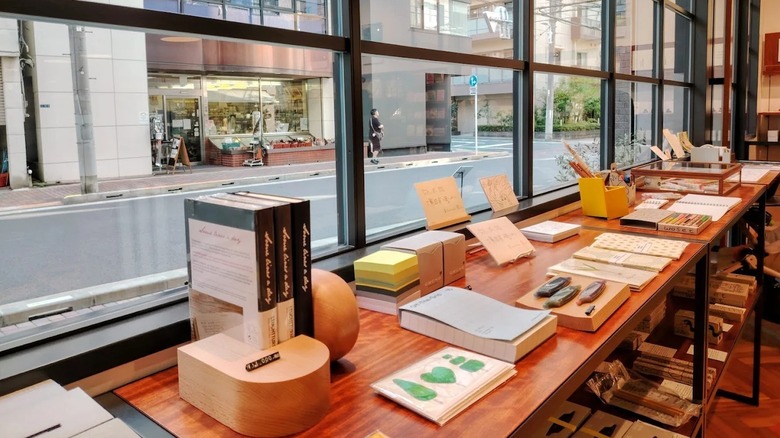
Monozukuri — a Japanese philosophy devoted to craftsmanship — thrives in Kuramae, where a new generation of makers rubs shoulders with seasoned artisans. Here, the most ordinary objects carry the weight of deliberate craftsmanship — the kind of cultural souvenir that travel expert Rick Steves deems the most important thing travelers should shop for.
Leather product aficionados will appreciate the handcrafted leather accessories of M+, helmed since 2001 by former architect Yuichiro Murakami, who honed his leatherworking craft in Italy. Heritage stationery brand Kakimori, which has garnered a cult following for its collection of inks and bespoke notebooks, has called the neighborhood home since 2010. "Kuramae is a town where the spirit of manufacturing and craftsmanship is still alive," says owner Takuma Hirose, a third-generation stationery merchant, in an interview with DHL. "That's why I wanted to open my store in this neighborhood."
Also in the area is Mizukiya Baba Shoten, a wholesale company specializing in handcrafted products made from wood, rattan, and bamboo, ranging from baskets and bags to bento boxes and other homeware. Meanwhile, Maito Design Works still practices the art of kusaki-zome, a centuries-old natural dyeing technique that uses plant and vegetable dyes throughout its sustainable clothes and accessories collection. And for a literal hands-on monozukuri experience, head over to Mogami Kogei — a family-run Edo Sashimono woodworking company founded in 1912 — to create your own paulownia wood chopsticks at its workshop.
Kuramae's coffee and food culture
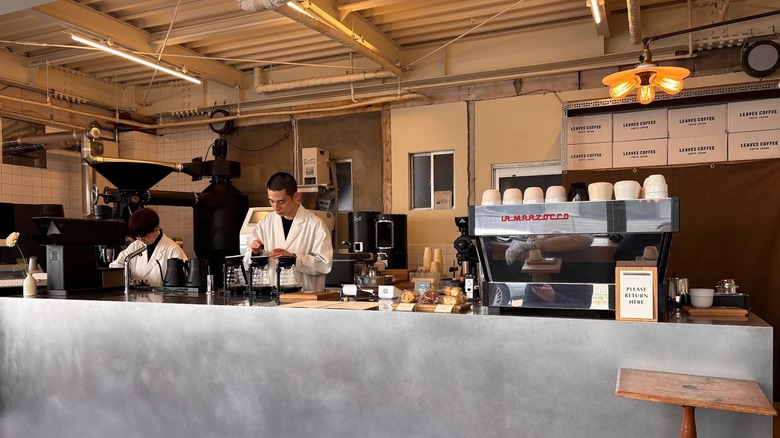
For a pick-me-up after perusing the shops, Kuramae's drinking and dining scene doesn't disappoint. Similar to Tomigaya — an underrated neighborhood known for its creative scene and European-style coffee shops — Kuramae features independent specialty coffee spots like Coffee Wrights, known for its in-house roasted beans, and Leaves Coffee Roasters, headed by self-taught roaster and former professional boxer Yasuo Ishii and known for its specialty brews that balance acid and sweetness.
Tea lovers should make the pilgrimage to Nakamura Tea Life Store, whose tea leaves are grown from a 100-year-old family-owned farm in Shizuoka. In a Nohga Hotel feature, co-owner Keigo Nishikata weighed in on the Kuramae's creative and crafts-centric scene, stating that "people who come to our shop are not just looking at the specification and price of the product, they also want to understand the person making the product by the time they leave the shop."
Kuramae also caters to foodies with nostalgic tastes and to those seeking exciting culinary imports. Treat yourself to a sando — a Japanese milk bread sandwich with either sweet or savory fillings — at Marcelino Mori, which has been in the district since 1958. For a traditional bowl of nekase genmai (aged brown rice), head over to Yuwaeru, established in 2009 by Yoshitaka Ogino with the aim to "bind Japan's traditional lifestyle culture and the modern age." To satisfy the sweet tooth, San Francisco import Dandelion Chocolate offers small-batch, single-origin bean-to-bar chocolate creations, from signature chocolate bars to cocoa nib-infused mochis. The Kuramae location houses its factory, where factory tours and taste-pairing sessions are held. With all these culinary offerings, it's worth noting that eating or drinking while strolling the streets can be an unexpected faux pas that could earn you a side-eye from locals.