5 Travel Destinations You Need To Visit Before They Permanently Close
It can be easy to fool yourself into thinking that if you didn't get around to visiting your dream destination this year, there will always be next year. That tropical beach or your favorite childhood theme park isn't going anywhere anytime soon, right? Unfortunately, that's not always the case. Even the most popular and prosperous tourist spots can fall victim to climate change, economic downturns, and shifts in business interests or tourism trends. 

Currently, the Taj Mahal is deteriorating due to pollution; Madagascar's forests may no longer exist in 35 years due to deforestation; and an estimated 2,000 kilometers of the Great Wall of China have been lost to erosion and theft. UNESCO has even created a list of World Heritage Sites it considers in danger of disappearing. 

With such a long list, where should you go first? The following are five famous tourist destinations that are at risk of disappearing or permanently closing soon. While some have set expiration dates, others face environmental changes so significant that even if they continue to exist, they may look very different in the decades to come. Here's why you should visit now while you still have the chance.

California's Great America Theme Park
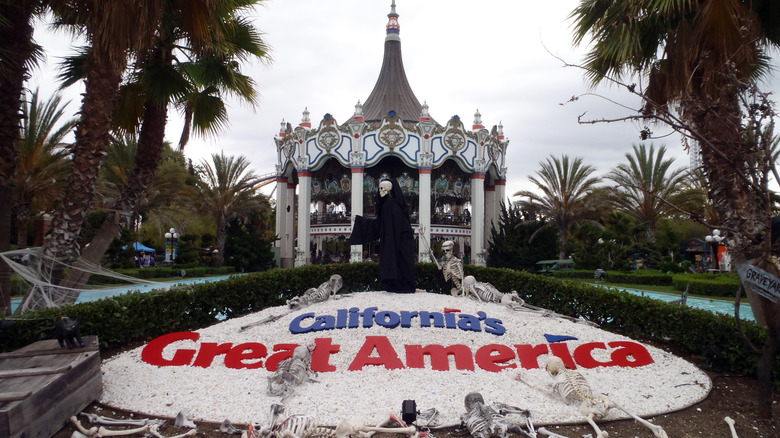
If you grew up in Northern California and have fond memories of riding the world's tallest carousel at California's Great America, you may want to plan another visit soon to take one final spin before the park potentially closes after the 2027 season.

California's Great America has been part of the Santa Clara community since 1976, earning the 50-year-old theme park the reputation of the "Bay Area Disneyland." The park spans 112 acres and includes roller coasters, a water park, and dozens of rides, some of which have been around since opening day.

Great America's parent company, Six Flags, sold the property to a real estate company in 2022, which then leased it back. While the park remains open for now, Six Flags has announced that it will close permanently after the 2027 season unless the company extends its lease. Even if the lease is extended, however, the park's days are likely numbered. California's Great America is located near multiple rail lines, making it prime real estate for eager developers. Real estate experts theorize the land could eventually be redeveloped into a residential, industrial, or commercial space.

The Maldives

If the turquoise waters and stunning overwater villas of the Maldives have been on your bucket list for a while and you haven't made it there yet, you may want to act soon (and make sure to read 10 crucial details to know before visiting the Maldives if you do). Although the exact fate of the Maldives currently remains under debate, the country's landscape is shifting as beaches erode and new islands are created.

The Maldives is made up of 1,200 islands that are home to approximately 500,000 people, almost half of whom live on the island of Malé, the country's capital.  The islands are low-lying, which means that even their highest points don't rise more than 6 feet above sea level. This makes the island country, which is located off the coast of India, particularly susceptible to rising sea levels. Some scientists predict that if oceans continue to rise, many of the islands may be underwater by 2050. And according to The World Bank, much of the country could be submerged by the sea by 2100. 

There's hope, however. The government is taking some creative precautions that involve building new, man-made islands and buying land from other countries in the event that a permanent relocation is needed. 

The glaciers at Glacier National Park

Before the 1,583 square miles of northwest Montana became Glacier National Park, the Kootenai people referred to the area as "the place where there is a lot of ice." This is ironic because today, much of that ice is now gone or actively disappearing. In fact, back in 1850, the area now known as Glacier National Park had an estimated 80 glaciers. By 2015, that number had shrunk to 26. Some of the remaining glaciers have retreated to the point that they're too small to even be classified as glaciers. Over the decades leading up to 2015, every named glacier in Glacier National Park had shrunk, some by as much as 80%. 

While scientists previously predicted that Glacier National Park could be essentially glacier-free by 2030, researchers are now more hesitant to give a precise date. Still, if melting rates continue as they have been, research ecologists at the U.S. Geological Survey predict the glaciers will be all but gone in the next few decades – reduced to "insignificant lumps of ice on the landscape." So if you'd like to see the Crown of the Continent, as it was once nicknamed, you may want to go before the decade is up. Otherwise, you can always head to Alaska, which is known for some of the best glacier-viewing spots, like Glacier Bay National Park, Kenai Fjords National Park, or this secret glacier that's deeper than the Grand Canyon.

The Dead Sea

The Dead Sea, one of the natural wonders of the world, has existed for millions of years, which makes reports that it is now dying all the more tragic. Its water levels are reportedly dropping by almost 4 feet per year, leading to sinkholes that have swallowed beach parking lots and shoreline roads. Some resorts and beaches have had to close as a result. What's more, as water levels lower, the shoreline recedes, leaving the once seaside resorts and businesses that remain more than a mile from the water.

The root of the problem goes back decades. Water levels started to drop when the governments of Israel, Jordan, and Syria began diverting the rivers that feed the lake. Their reasons for doing so may have been reasonable — they needed to use the freshwater for irrigation or drinking water — but it left them with a sea on the brink of extinction and no easy fixes. Companies have also been allowed to evaporate seawater to extract minerals, furthering the sea's decline. While local governments have taken some action to reverse the Dead Sea's fate, some of the more long-term solutions proposed would be difficult and extremely expensive to implement.  

While the sinkholes and cracked roads have made visiting the beaches more difficult, they have also created another tourism opportunity for adventure-seeking visitors looking to see the destruction up close. You can now book a guided tour that will take you to the swallowed-up roads and abandoned buildings that once made up popular tourist beaches and pit stops. 

Le Cirque at the Bellagio

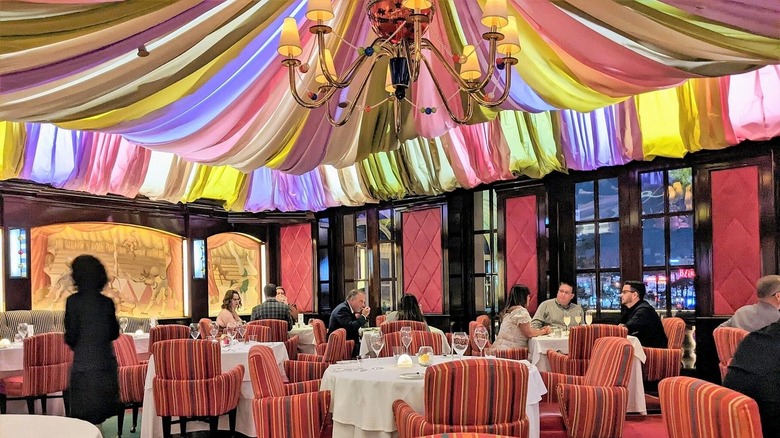
The Bellagio has been known for many things over the last couple of decades, including its spectacular fountain show and whimsical, seasonally changing botanical garden. Perhaps lesser-known but equally beloved is the circus-themed restaurant Le Cirque, which has been a central feature of the Bellagio since the Strip resort and casino opened in 1998. If you love French cuisine, then you'll want to reserve a table at Le Cirque in the next few months, as it will be bidding farewell to Nevada — and the world — in August 2026. 

While Le Cirque has been part of Southern Nevada's fine dining scene for nearly three decades, the award-winning restaurant's origin in New York goes back even further. Opening in 1974 in Manhattan, Le Cirque became one of the most famous restaurants in the U.S., with diners that included celebrities and even royalty. However, the last of Le Cirque's New York locations closed in 2017, and the Las Vegas location is scheduled to close after dinner service on Sunday, August 23, 2026. The restaurant will be replaced in 2027 by a new, yet-to-be-disclosed dining concept.

Recommended