
The Unwritten Rule You Should Never Forget When Visiting Any Tropical Island
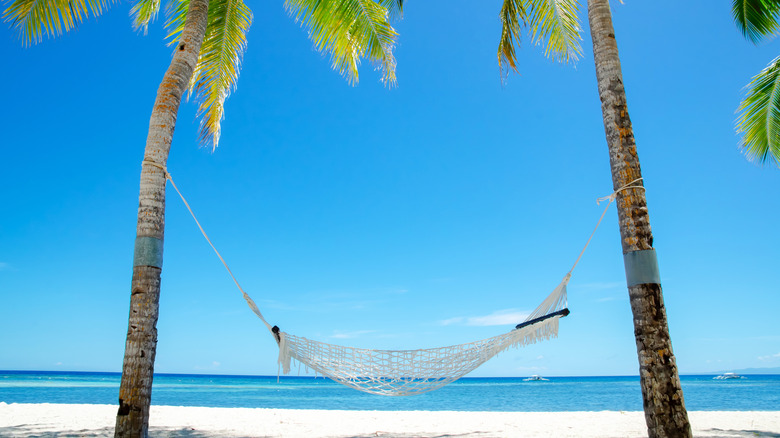
An article in Psychology Today points out that "each part of the world has a unique relationship with time." In some European and Asian nations, punctuality is a hallmark and sign of respect. So, in the Netherlands, Germany, and Japan, you're late if you're on time. Promptness, however, isn't the norm in other cultures. And if you find yourself on a tropical island, you'll need to adjust to the more flexible concept of "island time," where enjoyment and relaxation take priority over efficiency.
This unwritten rule is ingrained in many island cultures, so it would behoove a world traveler to mentally prepare for the slower pace of destinations like the Aloha State or any underrated dreamy island locale, like the atoll of Fakarava in French Polynesia. Especially if you're arriving from a speed-centric continent, where society "saves time" by speeding up for yellow lights, eating in their cars, and applying mascara while driving, showing up with the wrong vacation expectations can cause frustration. Understand that restaurant orders may take longer to arrive, buses may run late, and getting an extra pillow for your hotel room may take extra time.
How did this way of life evolve? The concept hails from native island approaches to agriculture and planting, which center on the weather patterns to avoid heat and monsoonal temperatures. Nature was the dictator of time, not humans. Today, many islands still hold on to this mindset to maintain their identity, and visitors would be wise to set their clocks to "island time."
How to prepare for the cadences of an island getaway
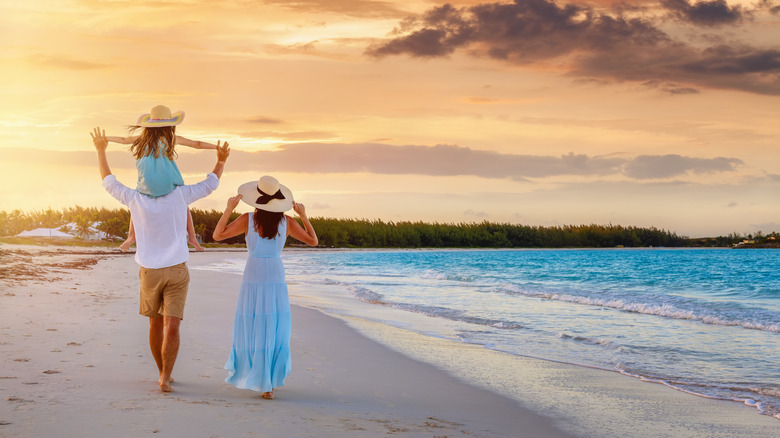
So, what's a first-time visitor to do to prepare for the rhythms of an island getaway? A change in thinking begins with the basics: packing. Free up mental and physical space by limiting your outfits. After all, how many T-shirts and shorts do you really need on a trip where you will be rocking a bathing suit most of the time? This lighter load will mean less laundry and more time for enjoyment. It doesn't hurt to start the morning with a relaxed approach to the day. Sip that coffee, reflect, and keep that itinerary flexible. Know that eating out may take more time than usual, and your server may not hurry with the check. No one's pushing you out the door. And immerse yourself in nature's wonder, whether it's observing a bromeliad or experiencing a cloud forest tour.
If you know you'll have trouble syncing with this new pace of life, pick a destination that might make it easier to shift gears. For example, the tiny island of Sommerøy in Norway considers itself a "time-free" zone with its 24 hours of sunshine during the summer. You can sit on the breezy shore or wade into the water morning or night, rendering a clock entirely meaningless. In the Maldives, some resorts ask their guests to adjust their clocks – these islands in the archipelago set their times ahead of the capital of Malé to maximize fun in the sun. Use this as a reminder to change your own internal clock. Just be warned that, once you've acclimated to the lovely pace of island time, going back to the hectic speed of mainland life might be more difficult than you thought.