
The 13 Most Underrated, Dreamy Tropical Islands In The World
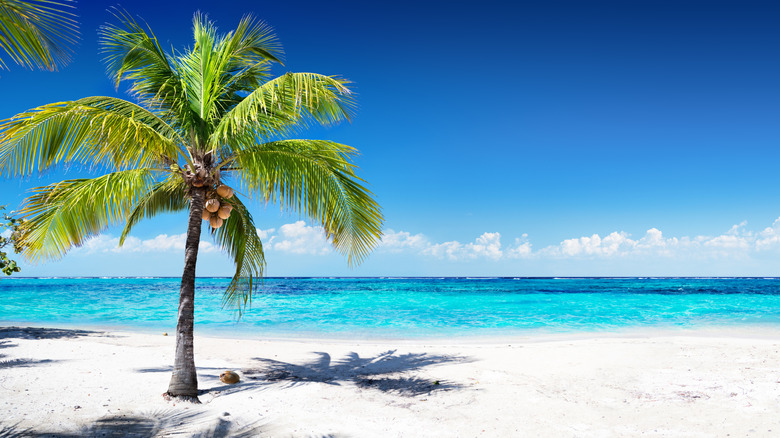
When you're planning a tropical island getaway, many of the same places tend to pop up in search results. You know the ones, places like Hawaii, Bali, the Bahamas, and the Maldives. Those islands are popular for a reason: They are some of the most beautiful islands in the world, after all. However, they aren't the only options out there.
If you do a little extra research, many lesser-known islands offer the same kind of natural beauty, just without the heavy development and crowds. In some cases, they are a bit harder to reach, though. Perhaps you have to take an extra flight or boat transfer, and that alone may be enough to deter some travelers. For some other lesser-visited islands, they are simply overshadowed by nearby destinations that are more heavily marketed to tourists.
These underrated islands haven't been built up in the same way and are not suffering from overtourism like many popular destinations. Because these islands don't see the same volume of visitors, you'll have more room to explore and take things at your own pace, and you may not need to book tours months in advance or figure out dinner reservations for every night of your trip. For travelers willing to travel a little further and look beyond the well-known islands, these island destinations offer a dreamy getaway that feels more relaxed right from the start.
Raja Ampat, Indonesia
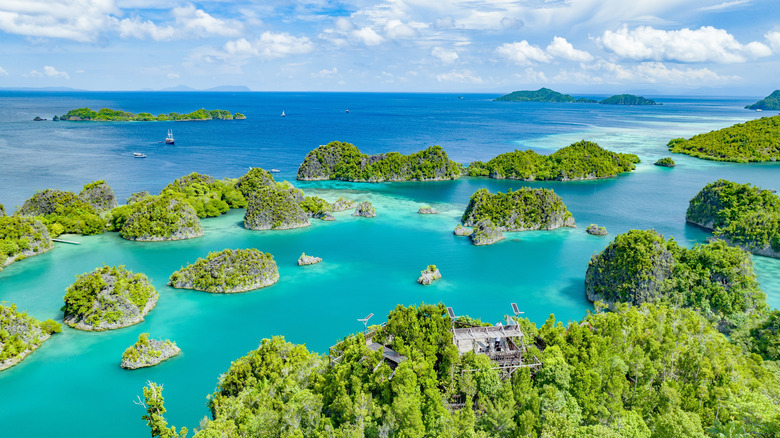
With over 1,500 jungle-covered islands rising out of shimmering blue water, Raja Ampat looks almost unreal from above. The region near the Northwest coast of Papua is well known among divers, but compared to Indonesia's most popular destinations, it still sees far fewer visitors. Places like Bali and even Komodo tend to dominate travel planning, drawing attention away from this remote corner of the country.
Its remote reputation has helped make Raja Ampat even more special. Under the seas, the reefs are among the most biodiverse on the planet, with more than 500 species of coral and over 1,400 species of fish. It's also one of the world's hotspots for Manta Rays. Raja Ampat doesn't have an overabundance of large-scale development, so your travel experience leans more toward immersion than convenience.
Getting to Raja Ampat requires a bit of extra time and effort, but the payoff is worth it, especially for divers. There are no direct international flights to Raja Ampat, so after you arrive in Indonesia, you'll need to take a domestic flight to Sorong. From Sorong, you must take a ferry or private boat to Waisai, which is the main town on Waigeo Island. Travelers also need to arrange transport to their accommodations. Some resorts will arrange local island transport, including complimentary boat transfers.
Atauro Island, Timor-Leste
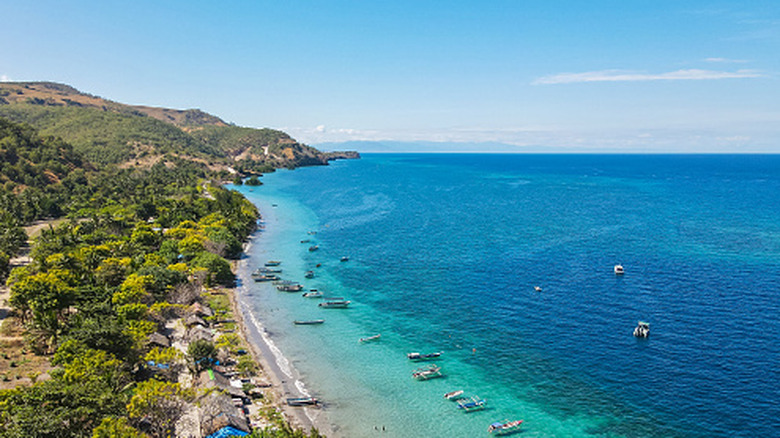
Timor-Leste sits just outside the usual Southeast Asia travel circuit, which undoubtedly helps it to stand out. Its coastline is rugged and largely undeveloped, with long stretches of quiet shoreline that feel far removed from the region's better-known beach destinations. While nearby Indonesia draws millions of visitors each year, Timor-Leste is one of the least-visited countries in the world, according to Marielle Descalsota (writing for Business Insider).
Offshore, Atauro Island adds another layer of appeal, particularly for travelers interested in marine life, and this stress-free East Timor island is an untouched ecotourism gem. Atauro Island's reefs have attracted attention for their health and clarity, offering snorkeling and diving conditions that rival those of more established destinations. On land, the experience is shaped as much by culture as by scenery, with a slower pace that feels noticeably different from busier parts of the region.
Reaching Timor-Leste is more straightforward than many expect, with daily flights to Dili from Bali, Indonesia, or Darwin, Australia. From there, ferries and small boats connect to Atauro if that is your final destination. The infrastructure is still developing, which helps explain its lower profile, but it also keeps the experience feeling open-ended rather than overbuilt.
Rodrigues, Mauritius
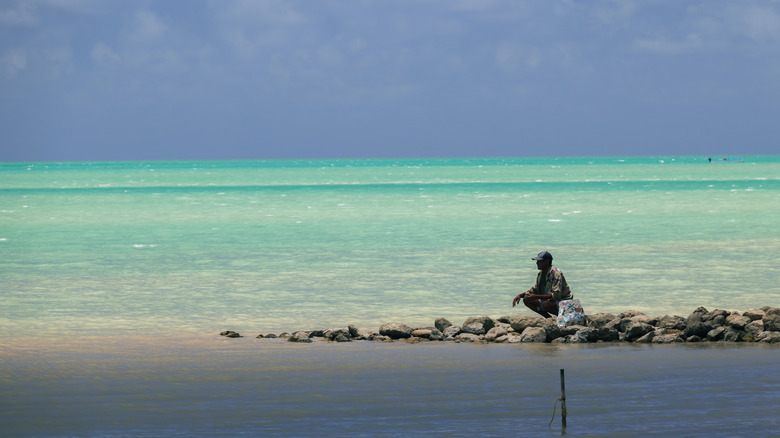
Rodrigues is the smallest of the three Mascarene Islands, located in the Indian Ocean about 360 miles northeast of Mauritius. It is not too far away distance-wise, but it offers a noticeably different experience for visitors. A vast lagoon surrounds the island, stretching far out beyond the shoreline, and the lagoon of this seemingly crowd-free, tropical island creates an expanse of shallow, calm water, perfect for scuba diving. Depending on the time of day, the color changes from shades of turquoise to deep blue. Inland, the island's terrain has rolling hills dotted with small villages, giving the landscape a quieter, more lived-in feel.
While Mauritius is well known for its luxury beachfront resorts, Rodrigues has remained far more subdued. It lacks the large-scale development and international visibility that attract some visitors to the main island. That is potentially one reason why it is often overlooked by travelers visiting Mauritius. Thankfully, getting to Rodrigues is relatively easy once you are already in the region. Regular 90-minute flights run between Mauritius and Rodrigues, making it an easy trip extension if you are looking for a more underrated destination.
Siquijor, the Philippines
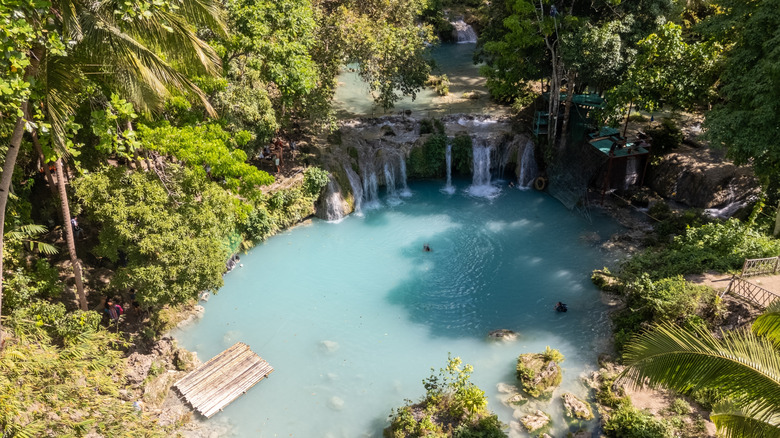
Siquijor has a reputation that gives it a unique allure from the outset. It's often called "Mystic Island" (according to the BBC) because of its long history of herbal medicine, folk healing, and stories tied to witchcraft. That reputation has stuck over the years, but instead of turning the island into a major tourist draw, it's kept it a little more under the radar than places like Palawan or Boracay.
There's plenty to do once you arrive in Siquijor. Cambugahay Falls is one of the most popular inland spots, with bright blue pools and rope swings, while Salagdoong Beach offers cliff diving and clear water. What makes Siquijor feel different is that it doesn't have big resorts or require tightly planned itineraries. You can spend the day driving around the island, stopping at beaches, waterfalls, and small local spots without much planning.
Getting to Siquijor is simple, with ferries running from Cebu or Dumaguete. Even with that accessibility, it stays quieter than most of the Philippines' top destinations, offering a more laid-back experience that still feels tied to local culture and everyday life.
Bazaruto Archipelago, Mozambique
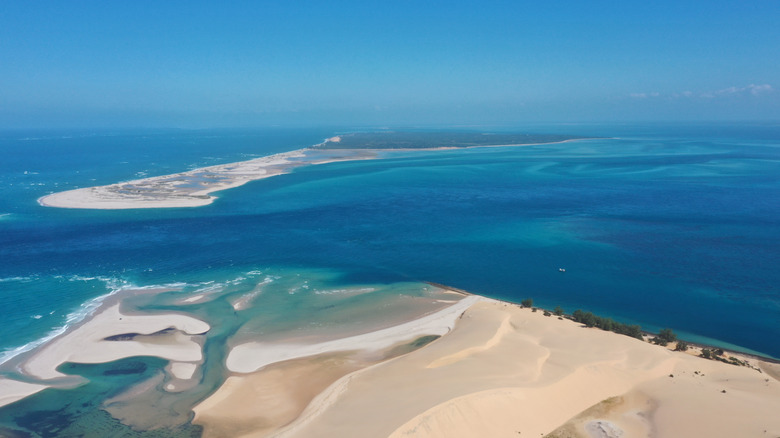
The Bazaruto Archipelago stands out right away for how different it looks compared to most tropical islands. Wide stretches of sand dunes roll down toward bright blue water, with long, open beaches that rarely feel crowded. It's a striking contrast to more verdant alternatives, giving the islands a more remote feel than other destinations in the Indian Ocean.
There's a lot to do once you're on the islands, especially if you like being in or around the water. The surrounding reefs are known for snorkeling and diving, with a high chance of spotting magnificent marine life, including sea turtles, dolphins, and even dugongs, as Bazaruto is described by Ukuri as "one of the most important marine sanctuaries" in the region. Along with diverse marine life, it's the only place in the western Indian Ocean where the five regional turtle species frequent and nest. On land, birdwatching is a major draw, with several species unique to the region. You can also explore the dunes themselves, which offer impressive views across the islands.
Mozambique doesn't get the same attention as places like the Seychelles or Mauritius, which is part of why Bazaruto stays relatively quiet. Most travelers arrive by flight into Vilanculos, followed by a boat or helicopter transfer to the island.
Fakarava, French Polynesia
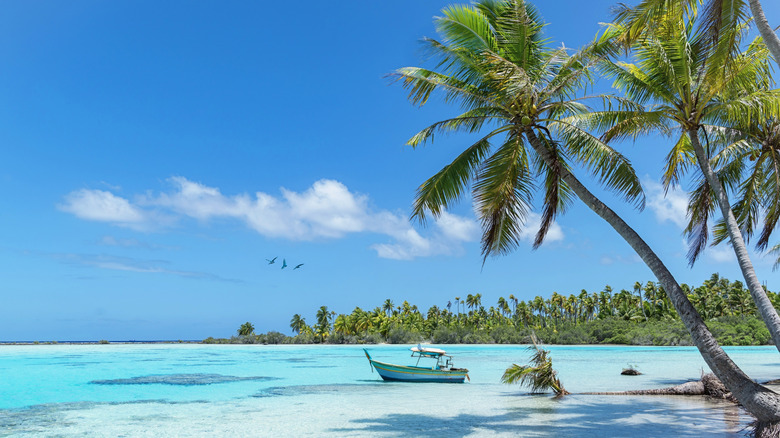
Fakarava's lagoon stretches in a wide ring around the atoll, with shallow water that shifts between pale blue and deeper shades depending on the light and depth of the sea. It looks a lot like the scenes travelers expect from Bora Bora, but without the overwater villas and steady stream of visitors. Being farther out in the Tuamotu Archipelago has kept it quieter, even though the setting is just as striking, and its designation as a UNESCO biosphere reserve has helped protect the atoll's ecosystems while limiting large-scale development.
Once you're at Fakarava, most of the experience revolves around the water. Snorkeling is easy straight from shore in many areas, while the atoll's passes are known for drift dives where currents carry you through coral channels filled with vibrant marine life, including large schools of fish and reef sharks. When you're not in the water, the pace slows down, and people spend time biking between small villages, walking along pink-tinged sand beaches, or simply taking in the lagoon from different angles. It all makes Fakarava a truly magical Polynesian island paradise.
Getting to Fakarava involves a domestic flight from Tahiti, followed by a short transfer to a guesthouse or small lodge. It's an extra step compared to more famous islands, but that distance is exactly what keeps the experience feeling relaxed and far less crowded.
Mayotte, France
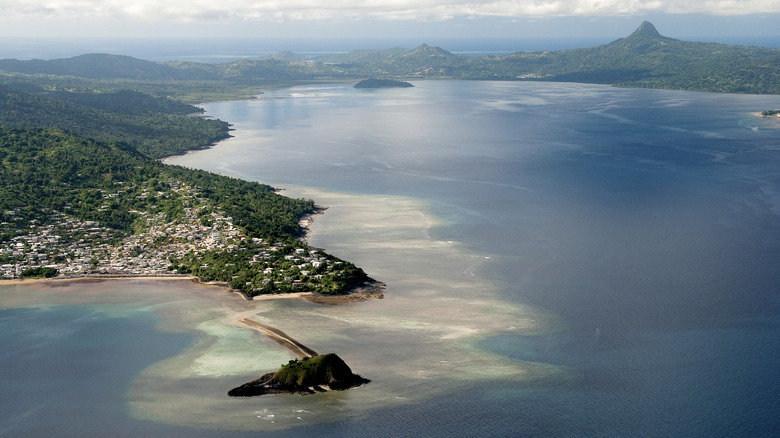
Mayotte is shaped by water more than anything else, with one of the largest enclosed lagoons in the world surrounding the island. The lagoon stretches far beyond the shoreline, creating calm, protected waters where coral reefs, green sea turtles, and schools of fish are part of the everyday environment. It delivers the kind of marine setting travelers often associate with destinations like the Maldives or Seychelles, but Mayotte offers all of this without the crowds.
That lower profile stems in part from geography and perception. Despite being an overseas department of France, Mayotte lies between Madagascar and Mozambique, far away from the iconic destinations of its mother state. Regionally, travelers tend to gravitate toward places with stronger name recognition, leaving Mayotte relatively overlooked, even though it offers comparable scenery and biodiversity.
Getting there requires a bit more planning than many tropical destinations. The only intercontinental flight route to Mayotte is via Paris, though there are flights to Dzaoudzi-Pamandzi International Airport from other destinations, such as Moroni (Comoros), Dar es Salaam (Tanzania), or Nairobi (Kenya).
Taveuni, Fiji
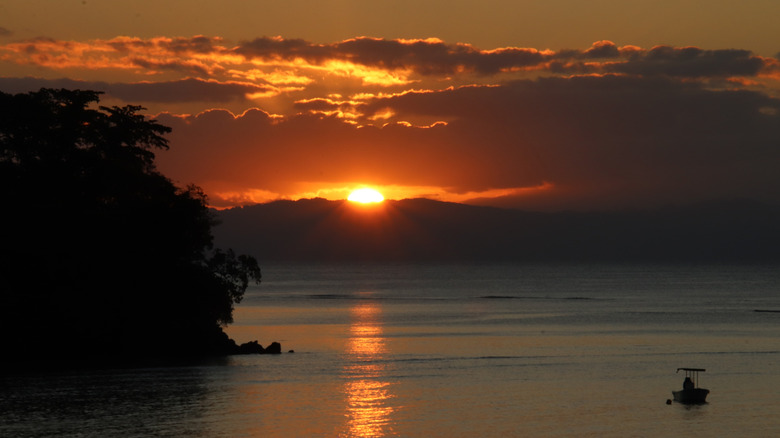
Taveuni is called Fiji's "Garden Island," and it lives up to that name in a way that feels immediately noticeable. The island is covered in dense rainforest, with waterfalls, rivers, and coastal trails that give it a much greener, more layered landscape than many of Fiji's resort-focused destinations. It's the kind of place where you're just as likely to spend your day hiking through the jungle as you are in the water.
There's plenty to see in Taveuni once you start exploring. Bouma National Heritage Park is one of the main highlights, home to a series of unparalleled waterfall hikes with natural pools. The Lavena Coastal Walk follows the shoreline past beaches, forest, and smaller cascades. Offshore, coral reefs provide strong snorkeling and diving, so it's easy to balance time inland with time in the water.
Many visitors to Fiji stick to Viti Levu or nearby island resorts, where access is easier, and infrastructure is more developed. Taveuni takes a little more effort to reach, with domestic flights from Nadi, but that extra step helps keep it quieter and more focused on its natural surroundings.
South Water Caye, Belize
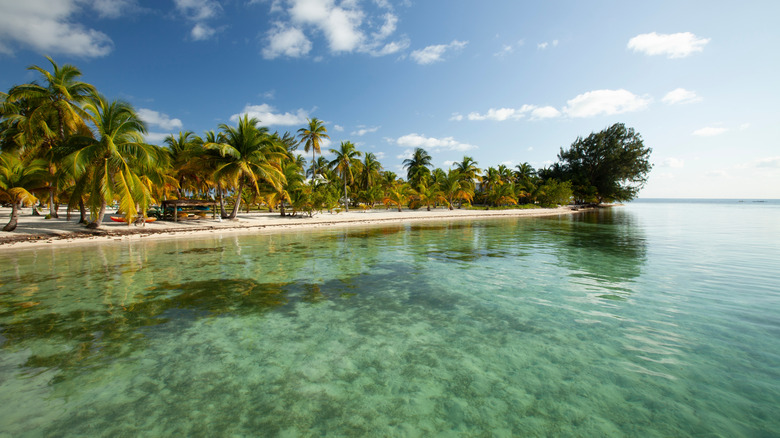
When you try to imagine a picture-perfect Caribbean island, there's a good chance that you'll conjure up an image of Belize's South Water Caye. The 15-acre island is small enough to easily explore, with palm trees, sandy paths, and water that stays calm and clear throughout the day. What really sets South Water Caye apart, though, is how close it sits to the Belize Barrier Reef, making it easy to enjoy some of the best snorkeling in the country without needing to hop on a boat.
Most days revolve around water-related activities. Snorkeling and diving trips head out to nearby reef sections, where you can spot colorful fish, rays, and coral formations. Of course, this is the Caribbean, so it is important to balance this with quieter moments relaxing in a hammock by the shoreline. South Water Caye is not a destination for travelers wanting nightlife or a constant stream of island activity. Instead, it appeals to people who want a slower pace and a more remote holiday destination.
Larger islands like Ambergris Caye and Caye Caulker tend to draw most visitors to Belize, offering more restaurants, bars, and action. South Water Caye keeps things simpler, with just a handful of small lodges available for overnighters. Getting there involves a boat transfer from Dangriga, usually arranged through your hotel. Another option is to book a luxury yacht vacation that takes you around some of Belize's less-visited islands, including South Water Caye. That will cost a pretty penny, however.
Nosy Komba, Madagascar
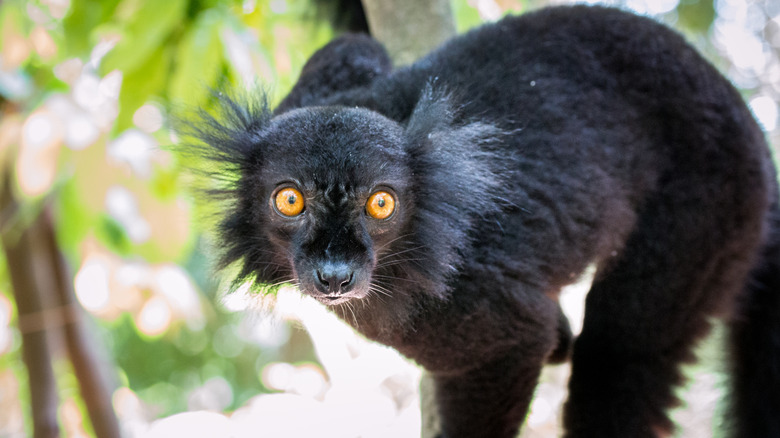
Nosy Komba offers something few tropical islands can: The chance to experience rainforest wildlife just steps from the shoreline. Known for its population of lemurs, the island blends dense jungle with quiet coastal scenery, where forested hills rise directly above small beaches and fishing villages. It creates an environment that feels as much about nature as it does about the ocean.
Nearby Nosy Be tends to draw most travelers to this part of Madagascar, with its larger resorts and more developed tourism infrastructure. By comparison, Nosy Komba remains far less built up, with no cars, and a slower pace shaped by local life. That lower profile has helped preserve both its natural setting and its wildlife, making encounters with lemurs and other species feel more immediate and less curated.
Travelers can reach Nosy Komba by flying into Nosy Be and taking a short boat transfer across the channel. The journey is relatively simple once in the region, but the island's quieter reputation keeps it off many itineraries. For those who make the crossing, it offers a rare combination of tropical coastline and accessible wildlife in a setting that still feels largely untouched.
Gili Asahan, Indonesia
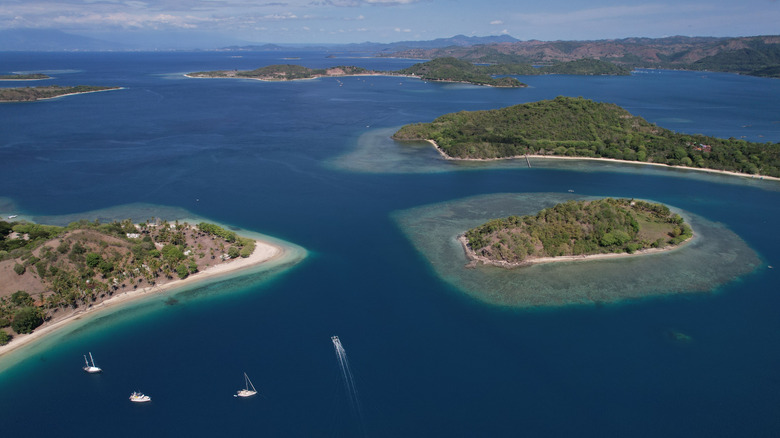
Gili Asahan offers a slower, more low-key version of Indonesia's Gili Islands, where the focus is on the setting rather than beach clubs. The island is small, quiet, and largely undeveloped, with open stretches of sand, clear water, and just a handful of places to stay. It's the kind of place people go when they want to unplug for a few days and spend most of their time outdoors.
The draw here is how easy it is to settle into a simple vacation routine. Snorkeling is available right off the beach, with coral reefs and marine life close to shore, and the water stays calm enough for swimming most of the day. Beyond that, time on Gili Asahan is about slowing down: Reading in a hammock, watching the sunset, or walking the length of the island without running into crowds. Gili Asahan is not built around activities in the same way as more popular island destinations, which is exactly the point.
Most travelers heading to this part of Indonesia stop at Gili Trawangan, Gili Air, or Gili Meno, where the atmosphere is more social and developed. Gili Asahan sits on the quieter side of Lombok, and getting there involves a drive followed by a short boat ride.
Príncipe, São Tomé and Príncipe
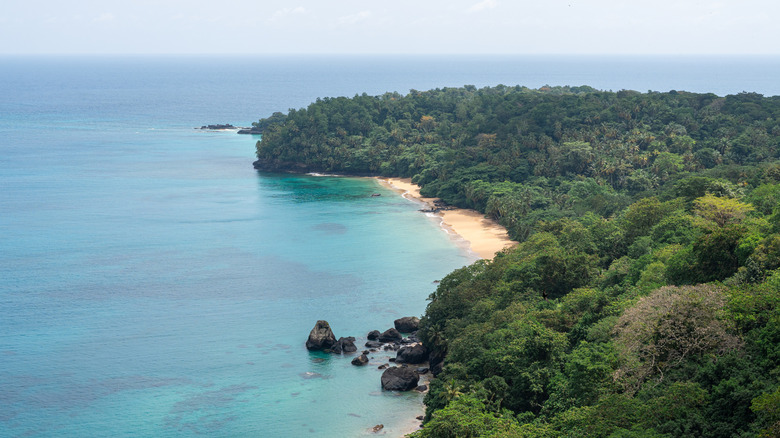
Príncipe is defined by dense rainforest stretching all the way to the coastline, where thick vegetation meets quiet, peaceful beaches. The island's interior rises into volcanic peaks, creating a layered landscape that feels both dramatic and largely untouched. It's the kind of environment that stands out even among tropical destinations, particularly for travelers drawn to places where nature still dominates the experience. It is so unique that UNESCO designated the entire island as a Man and the Biosphere Program Reserve in 2012.
Its location off the western coast of Central Africa keeps it well outside most mainstream travel routes. Even within its own country, nearby São Tomé tends to receive more attention simply because it is larger and easier to access. Tourism on Príncipe remains intentionally limited, with a focus on conservation and low-impact stays rather than large-scale development, which helps explain why it remains so under-visited.
Getting there typically involves flying into São Tomé from cities such as Lisbon or Accra, followed by a short domestic flight. The journey takes time, but once on the island, the emphasis on preservation and open space makes the experience feel far removed from more developed tropical destinations.
Lord Howe Island, Australia
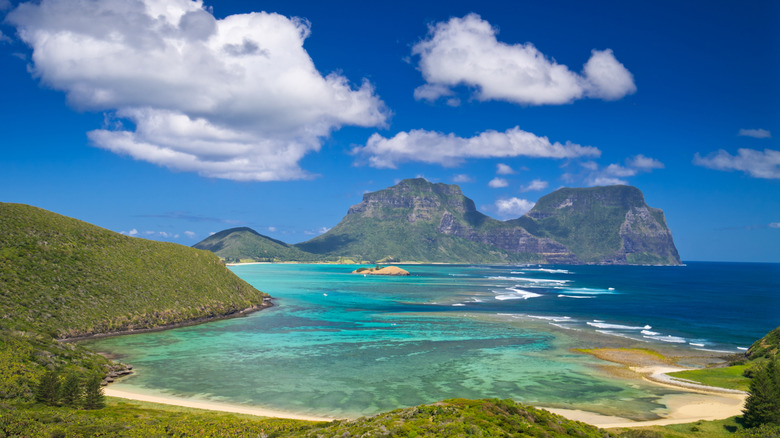
Lord Howe Island combines steep volcanic peaks with a calm, reef-protected lagoon, creating a landscape that feels both dramatic and unexpectedly balanced. There are many reasons to visit Lord Howe Island, such as an amazing blend of hiking and beach relaxation. The island's mountains rise sharply behind a stretch of clear, shallow water, while coral reefs offshore shape an environment that feels carefully preserved. It offers a mix of scenery hard to find elsewhere in the South Pacific.
Unlike many lesser-known islands, Lord Howe's lower visitor numbers are not due to a lack of awareness. Instead, they are the product of strict limits on tourism designed to protect the island's ecosystems. Only a small number of travelers are allowed on the island at any given time, which has helped maintain both its natural beauty and its slower pace.
Flights to Lord Howe Island operate from Sydney, and visitor caps require careful planning for your journey. While access is controlled, it remains realistic for most travelers, and the effort required to secure a stay is part of what keeps the experience feeling quiet and well-preserved.
Methodology
We assembled this list of underrated and dreamy tropical islands based on firsthand travel experience, travel blogs, tourism websites, and other traveler accounts. We focused on destinations with beautiful scenery, but they don't attract as many visitors when compared to similar destinations. We looked for islands that people often skip in favor of more famous neighbors, even though these islands have just as much to offer.
We also made sure to choose islands that are generally easy for travelers to reach, even if it requires an extra flight or boat ride. We wanted a good mix of locations, so we hand-picked islands from different parts of the world, each with its own unique appeal.