
The Foggiest Place In The World Is An Eerie Stretch Of Ocean Off Canada Known For Its Vast Fishing Spots
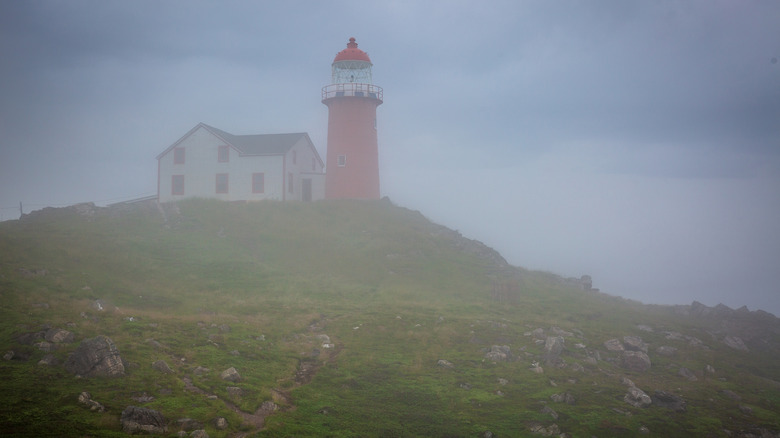
No phenomenon on Earth evokes a greater sense of mystery than fog. When its silver blanket rolls over a landscape, blurring the lines of reality, its transient presence plays on humanity's imagination. Believed by the Celts to be a sign of a parallel world opening portals to visiting deities, it is only fitting that no other place in the world gets more of it than Grand Banks, a stretch of ocean hugging the eastern coast of Newfoundland. For, as Irish author Tim Pat Coogan put it aptly, Newfoundland is "the most Irish place in the world outside Ireland."
The Grand Banks lives up to its name indeed. Stretching roughly 350 miles north to south, and 420 miles across, this sprawling region is obscured by eerie fog for at least 200 days of the year. If you're hearing the siren's call and are inexplicably drawn to witnessing this mystical sight, there are several ways to go about it. You can partake in the sighting of the "Fog Monster" from the comfort of trusty old earth beneath your feet in St.John's. A great vantage point can be found in The Rooms, the province's largest public cultural center, and an excellent view of the city, being blanketed by the fog once forecast. From St.John's, you can decide whether you have your sea legs and leave the shore behind.
With a kit preferably consisting of a rain jacket, Wellington boots, and perhaps a wool sweater, you would be remiss not to take a boat tour. With the Avalon Peninsula getting the most fog in the province, chartering a tour through these misty bays isn't a problem. Companies like Molly Bawn or O'Brien's are excellent options, ranging from $80-200 per person.
Fishing in Newfoundland's Grand Banks
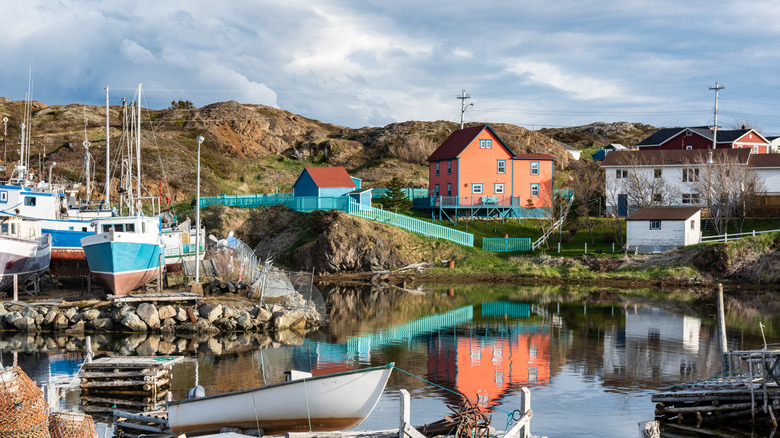
The Grand Banks is no stranger to the human appetite, either. Its link to European fishing dates back at least to the early 16th century. Considered globally as one of the most important fishing grounds for its historically abundant waters, its aquatic dwellers, such as the Atlantic Cod, haddock, and herring, are known the world over. Today, the most prized fish consist of Atlantic salmon, Arctic char, and tuna, just to name a few. With a vast catalog of both fishing locations and methods, Grand Banks is truly an angler's paradise.
Make sure to sail well-prepared with quality gear for blue water fishing. While you could bring fishing gear designed with vacation in mind, a strong rod and a smooth reel will save you aches and frustrations, whereas a fish finder device will assist in detecting the schools of different fish you're interested in. When it comes to any poetic imagery of fishing in the fog, it's best to cast that out of your mind, as the ideal time to get a good catch is with clear skies, mild temperatures, and predictable weather.
As Canada's two oceans could certify fishing as a national sport, with the West Coast being home to "The Salmon Capital of the World", timing is important in Grand Banks depending on the type of fish you're looking to catch. With the season roughly running from April to November, plan your trip to this stretch of the Atlantic coast accordingly. With your permits and licenses up to date and in order, you will have to abide by different laws depending on which fish you're looking for. If you haven't had enough moody mist, head to Newfoundland's northern tip to see the L'Anse aux Meadows National Historic Site, tucked along Canada's fog-kissed north coast with the only known Viking settlement in the New World.