
The Oldest Botanical Garden In The Western Hemisphere Is An Underrated Caribbean Destination
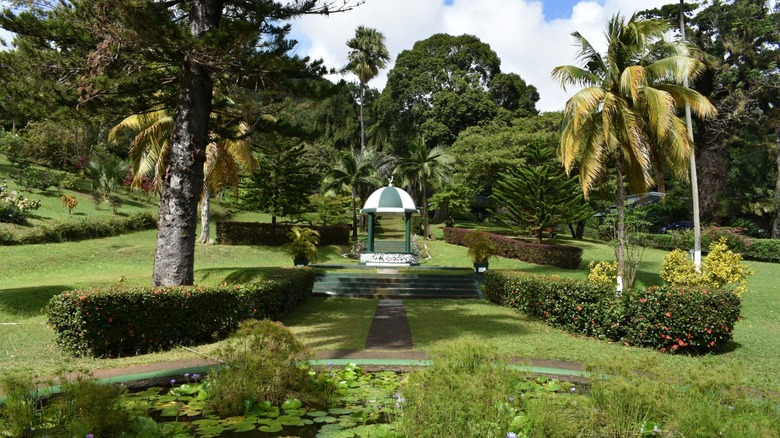
Take a guess where you'll find the oldest botanical garden in the Western Hemisphere. Is it in a major mainland city with a long history, or in a place with a mild climate? Nope. To find the real answer, you'll have to open your mental map and scroll over to the vast spread of islands dotting the Caribbean Sea. This part of the world's first botanical garden actually lives on the Caribbean island of St. Vincent, where it was founded in 1765.
Built on 20 acres of land just outside the capital city of Kingstown, the St. Vincent Botanical Gardens are a nearly three-century-old relic of the island's British colonial era. Cultivation began on the site shortly after Great Britain took over administration of the island from the French in 1763, with an eye to botanical research that might yield medical and agricultural innovations.
Nowadays, the gardens are one of the Caribbean's most underrated natural and historical attractions — little-known outside of the region, but well worth a visit both as a monument to a long and complex history, and as a refuge for native plants, birds, and travelers looking for a peaceful palate cleanse of green space and tropical wildlife.
The history of St. Vincent Botanical Gardens is easy to miss but fascinating
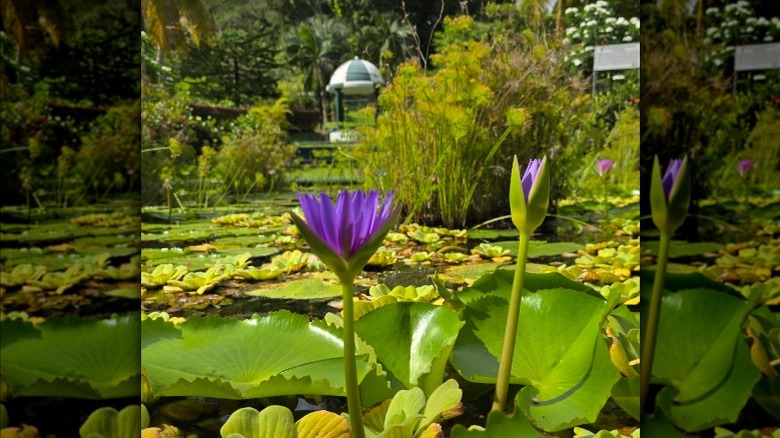
St. Vincent and the Grenadines may be renowned for its natural beach beauty, but its centuries-old botanical garden offers a very different kind of scenery and intrigue. Here, you'll find a beautifully landscaped collection of tropical trees and plants, with avenues and ponds that call to mind an English landscape garden adapted to a lush tropical setting. But what is much easier to overlook is the historical significance of the gardens, which extends far beyond the oft-repeated superlative of "oldest in the Western Hemisphere."
The St. Vincent Botanical Gardens are hardly crumbling ruins and may not look historically significant, but they have a story to tell about the island's colonial period, which placed it within a wider network of global exchange. It's a phenomenon visitors can see in the gardens' continued cultivation of breadfruit, a Caribbean dietary staple introduced to the region at the St. Vincent Botanical Gardens by Captain William Bligh of HMS Bounty fame. Bligh brought the Caribbean's first specimens of this fruit-producing tree from Tahiti to the gardens in 1793, and one surviving tree here can be traced back to Bligh's original group of saplings.
And this phenomenon isn't limited to breadfruit. Other economically-significant crops like star fruit, nutmeg, and black pepper also made their first forays into the Caribbean at the St. Vincent Botanical Gardens. These introductions went on to profoundly impact Caribbean economies and diets, exemplifying the lasting historical influence of these otherwise-unassuming gardens in one of the Caribbean's most underrated destinations.
Visiting the St. Vincent Botanical Gardens is an easy and relaxing Caribbean outing
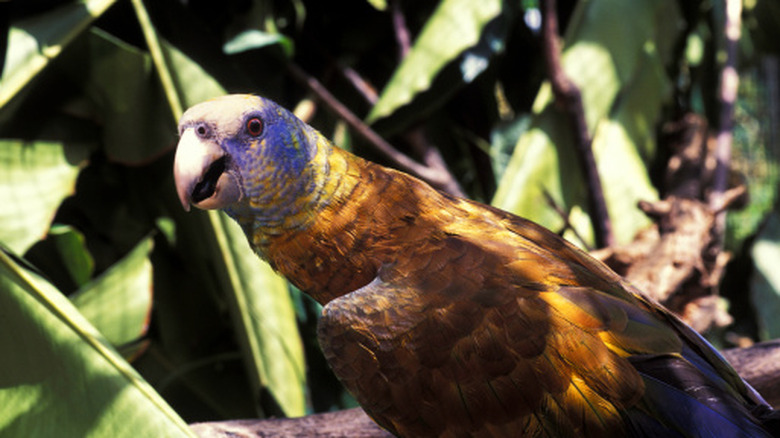
For visitors whose interests are more botanical than historical, there are a few unique facets of the St. Vincent Botanical Gardens you'll want to note. Past visitors note that the collection seems more focused on trees than flowering plants, with impressive banyan and hardwood trees, and of course, the famous breadfruit tree, as particular highlights. The garden's collection of wild-growing spices, like the pepper and nutmeg that both had their introduction to the Caribbean here, adds a little tropical flair. It's also a great place to see the St. Vincent Parrot, the national bird of St. Vincent and the Grenadines, found only on the island.
The St. Vincent Botanical Gardens benefit from a convenient location not far from the center of town or the cruise ship pier, where many visitors arrive. From the cruise terminal, it'll be roughly a 30-minute walk or a 10-minute taxi ride to the gardens. They're also very affordable, with admission fees currently set at US$5 for adults, though reviewers advise paying an additional fee for a guided tour because informational signage is sparse. It also won't take you all day. Past visitors advise planning a 45-minute visit, which leaves plenty of time for other local highlights like Fort Charlotte, a colonial-era military fort with ocean and city views, and the striking Gothic-inspired Cathedral of the Assumption.
Accessible, easy to visit, and historically rich, the St. Vincent Botanical Gardens are an ideal Caribbean destination for gardeners, history enthusiasts, and anyone looking to save money on cruise ship excursions while in port.