
Hood Canal's 'Premier Fishing And Diving Gateway' Is A Washington State Park For Water Adventures
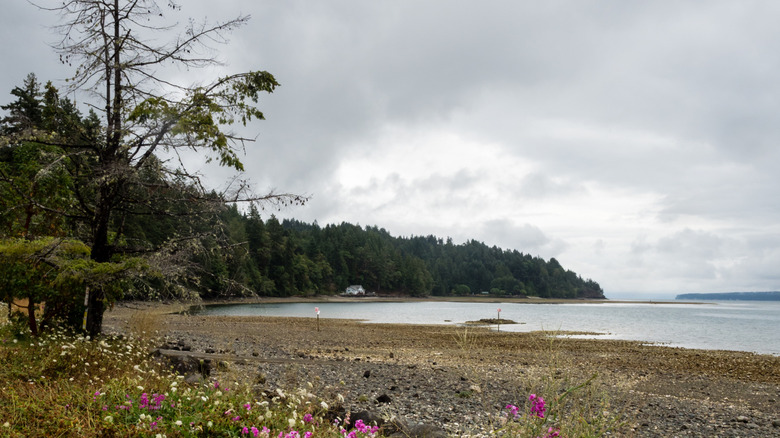
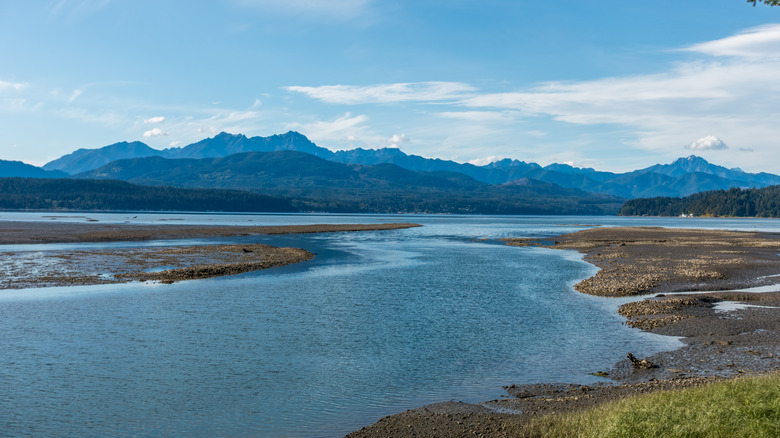
When it comes to green spaces, the state of Washington is practically an outdoors paradise. However, if you really want something memorable, exotic, and uncrowded, you can't do much better than the Olympic Peninsula, situated across from Seattle. This entire region is practically covered in incredible parks, especially if you're traveling along the peninsula's eastern side. Here, you'll be able to explore the Hood Canal, a coastal fjord with world-famous oysters. One of the stops along the canal is Triton Cove State Park, which serves as an excellent place from which to experience the water, both above and below the surface.
As the name suggests, this park is situated next to Triton Cove, which is suitable for scuba diving. But since the park has a boat ramp, you can access much of the canal for other activities such as crabbing, fishing, or just enjoying the scenery.
Although you can't spend the night at Triton Cove State Park, its prime central location, plus its uncrowded status, make it the canal's "premiere fishing and diving gateway." Additionally, because of where it's at, you could plan a trip from one end of the canal to the other, stopping at parks like Triton Cove or Twanoh State Park, another tucked-away gem for fishing, boating, and swimming.
Getting to know Triton Cove State Park
At just 30 acres, Triton Cove State Park is relatively small, and it doesn't feature many amenities. Beyond the ADA-accessible boat ramp, there are only three picnic tables and a vault toilet on-site. When the area was first developed in the 1930s, it featured a gas station and a country store. Then, after World War II, its focus shifted to fishing, which was when the boat ramp was created. The state purchased the site in 1990 and has managed it ever since.
For most of the year, from about May to November, the state installs a 100-foot handling dock, which offers more space for putting a boat in the water, although you'll need a watercraft launch permit to use it. Boating along Hood Canal is perfect if you're interested in catching local seafood, such as crabs, oysters, and various fish. If you head north you can explore Dabob Bay; if you head south, you can see where the canal curves around and heads up to the small town of Belfair.
If you're interested in diving around Triton Cove, make sure to plan for cold water no matter the time of year. Generally, temperatures hover at around 50 degrees Fahrenheit, so you'll want to wear a dry suit with thick gloves and a hood to keep yourself warm throughout the dive. There is only one dive shop along the canal, YSS Dive, which can help you with gear and training if you're new to the sport. You may also want to check out the latest dive reports from visitors to know what the visibility is like and what sea life you can see during your dive.
Planning a Washington water-based vacation
Because much of the Olympic Peninsula is undeveloped, reaching sites like Triton Cove State Park is kind of tricky. The fastest way to get there is to fly into the Seattle-Tacoma International Airport and drive about two hours up the peninsula. As mentioned, there are no campsites at the park, so you'll have to either camp elsewhere or find a nearby hotel. There are a few options along the highway, like Mike's Beach Resort, which overlooks the canal. Alternatively, you can opt to stay in a big city like Olympia, Tacoma, or Seattle, depending on your plans.
To access Triton Cove State Park, you'll either need to purchase a day pass for $10, or if you're planning to visit multiple parks, you can buy an annual Discover Pass for $45. This fee doesn't include the $7 boat launch fee, so plan accordingly. During the summer (April 1st to September 30th), the park is open from 6:30 a.m. to dusk. During the winter, it's open from 8:00 a.m. to dusk.
While the Hood Canal is already impressive on its own, you may also want to take advantage of being so close to Olympic National Park. Not only does it offer a wide array of scenery, but it's also home to Washington's second-deepest lake, meaning you can do more water exploration with incredible mountain views.