
The Smallest National Forest In The US Is A Secluded Alabama Gem For Birdwatching And Hiking
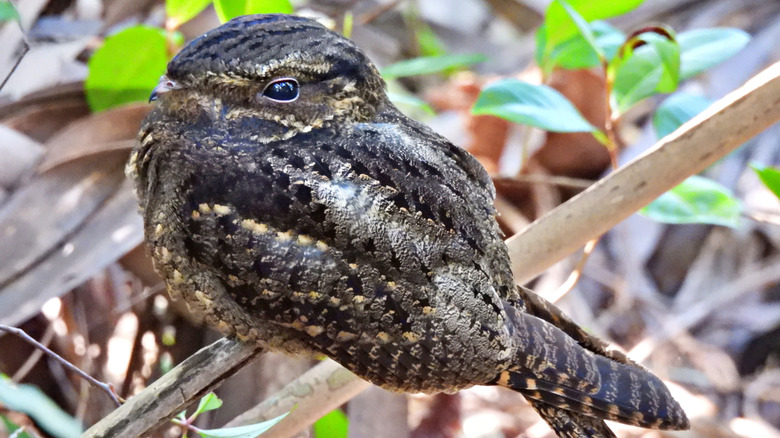
Size doesn't always matter when it comes to America's national forests. Sometimes it's more about what exists among the trees. That seems to be the case with Tuskegee National Forest, which is officially the smallest national forest in the country at only a touch over 11,200 acres. Yet despite its small size — and the fact that it barely has a handful of hiking trails – Tuskegee still provides a sought-after nature escape for hikers, cyclists, birdwatchers, anglers, and campers, only 44 miles east of Montgomery.
What makes Tuskegee National Forest such a hotspot for birders is the diverse array of habitats it manages to fit into a relatively small area. As you wander through the forest, you'll encounter various creeks, groves of pine and hardwood trees, floodplains, open grassland, and a couple of ponds. These ecosystems support a wide variety of birds throughout the year, with some species appearing only during specific seasons.
Woodland songbirds are often seen in the pine and hardwood groves, Swainson's warblers congregate around the floodplain between spring and fall, and red-tailed hawks hunt in the open grassland. The changing seasons also bring different birds: spring through fall is the best time to spot Chuck-will's-widows, red-eyed vireos, great crested flycatchers, Bachman's sparrows, and yellow-throated warblers. Winter visits, meanwhile, are when you might see American woodcocks, chipping sparrows, and slate-colored juncos. Other birds, such as pine warblers and brown-headed nuthatches, call the national forest home year-round. The secret to any good birding trip to Tuskegee is simple: Explore as much as you can. Follow the paths and roads to the different areas — something made easier by Tuskegee's manageable size and well-kept trails.
Enthralling hiking in Tuskegee National Forest
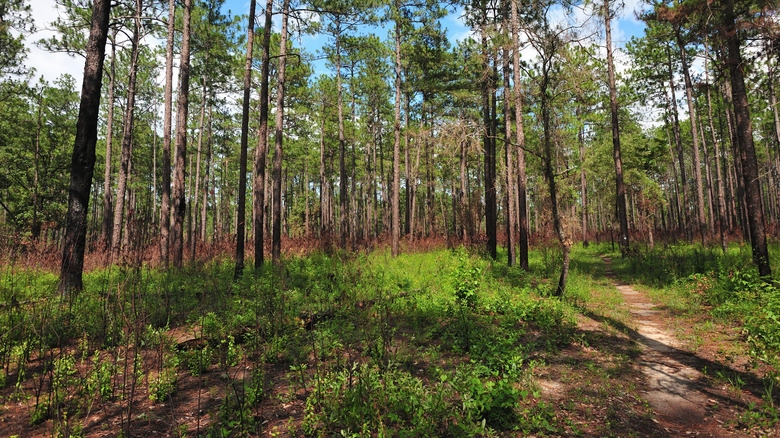
If you're looking for challenging climbs to scenic mountain peaks, Tuskegee National Forest probably isn't the right fit. You won't find the same epic summits here as you do at Talladega National Forest, which has the mountain views and trails on the other side of Montgomery. Still, what Tuskegee lacks in mountain peaks, it makes up for with diverse environments and surprisingly long trails suited for hikers, mountain bikers, and horse riders.
Hikers particularly enjoy the Bartram National Recreation Trail, a full-day hike if you walk its entire 8.5-mile length out and back (over 16 miles total). It takes you through the center of the national forest, from its southwest corner to its northeast one, following in the footsteps of early American naturalist William Bartram. This trail offers one of the best ways to see the forest's range of habitats. It's popular for birdwatching, but you can also spot deer and other wildlife along the way. "I love the Bartram Trail and hike portions of it about twice a week with my dog," one local wrote on Google.
If you prefer to explore on two wheels, you can ride the Pleasant Hill Trail. It's about half the length of Bartram, but more accessible to mountain bikers. It also takes you through dense pine and hardwood forest, home to songbirds and other birdlife. Some hikers have spotted snakes here in the past, so it's worth staying alert. If you want to get out for a ride on horseback, your best bet is Tuskegee's newest trail, the Bold Destiny. While open to hikers, it's designed primarily for equestrian use. The 13.2-mile loop route traverses the national forest's northern section, where you'll encounter creek crossings, old-growth hardwoods, and rolling hills.
Other outdoor activities at Tuskegee National Forest
Anglers visiting Alabama often head to larger destinations like Lake Jordan, a fishing paradise with swimming and boating only an hour's drive from Tuskegee National Forest. However, if you do find yourself in Tuskegee with your fishing gear, there are two small ponds that are decent for casting your line. Both ponds contain managed populations of largemouth bass, catfish, and bream. Nearby creeks hold similar species, along with spotted bass.
If you want to extend your visit, camping is available throughout the forest — but expect a rustic experience. The 14 dispersed campsites are free and provide only cleared areas, with no toilets, grills, or running water. It's a simple setup, but it lets you linger for longer and space out your hikes or birdwatching across an entire weekend.
Tuskegee National Forest is about a 45-minute drive from Montgomery or 50 minutes from Columbus. You can also stay closer to the national forest in smaller Alabama towns and cities, such as Auburn, one of America's coolest getaways packed with art and natural beauty, only about 25 minutes away.