
Just Outside Cincinnati Is Ohio's Large Lakeside Forest Full Of Trails, Watersports, Camping And More

If you're an outdoor adventurer, Ohio may not immediately come to mind when thinking about natural green spaces and wilderness excursions. But the Buckeye State is full of leafy, natural corners to explore. In fact, Ohio has more than its fair share of incredible parks, including one just northwest of Cincinnati. While the name may make you think of palm trees and white sand beaches, the Miami Whitewater Forest is a verdant paradise, especially if you love hiking, fishing, boating, and other outdoor activities.
In fact, no matter what kind of fun you're trying to have, you can do it at Miami Whitewater. The park has its own campground, which means that whether you're visiting in an RV or pitching a tent, you can stay a while and maximize your time in the great outdoors. The park's convenient location means it's easy to add other adventures in Cincinnati to your itinerary, too. For example, you can head about 30 minutes into the city and check out Ohio's oldest zoo with endangered species and unique exhibits, or you can head further west and visit Campbell Lakes Preserve, a secluded Ohio park known for fishing, paddling, and hiking.
Things to do at Miami Whitewater Forest
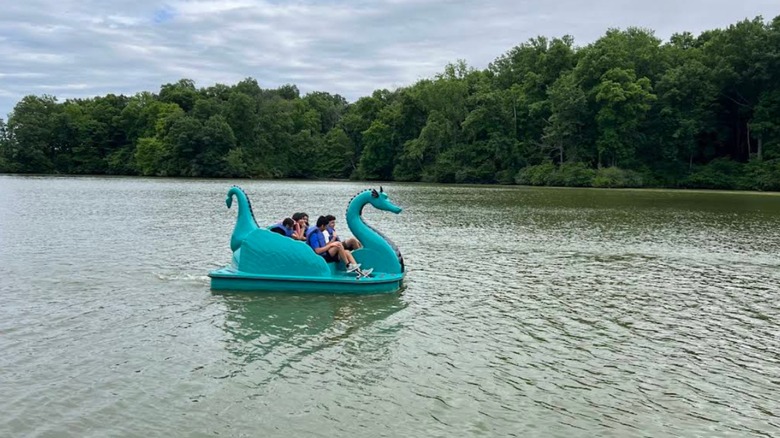
Although Miami Whitewater Forest spans almost 4,700 acres, one of the main attractions is the lake in the center of it all. While swimming is prohibited, there are several ways to enjoy the water. First, you can take a boat out, either your own or a rental. There are no boat ramps available, but it's relatively easy to launch personal watercraft like paddle boats, canoes, kayaks, rowboats, or even motorboats with a four-horsepower engine or smaller. The park also borders the Great Miami River, which is great for paddling. In fact, you could paddle the entire river if you're looking for the ultimate adventure during your trip.
If you're going to head out on a boat, you may also want to bring fishing supplies. Great Parks, the organization that manages Miami Whitewater (and other area parks), stocks the lake with channel catfish annually. However, you can also catch largemouth bass, crappie, trout, and more. You must have an Ohio fishing license and follow state guidelines regarding what you can catch and keep. It's best to familiarize yourself with the rules before heading out so you know what to expect.
If watersports aren't your thing, the Miami Whitewater Forest has plenty of land-based sports to enjoy, too. If you're a soccer enthusiast, you can play at the Soccer Complex, situated at the southern tip of the park. Alternatively, there are both frisbee and standard golf courses located within the park. For regular golf, you can reserve your tee times for nine or 18 holes online. For disc golf, the course is first-come, first-served.
Planning a trip to Miami Whitewater Forest
If you've never been to Cincinnati before, you may be surprised to learn that its international airport is actually located in Kentucky, which sits across the Ohio River. If you're planning to fly into Ohio, you'll land in Hebron, Kentucky, then drive through Indiana before finally arriving at Miami Whitewater Forest, which is about 30 minutes from the airport. Alternatively, if you want to drive across the pretty baby-blue Roebling Suspension Bridge, it'll take you about 45 minutes to reach the park.
As mentioned, Miami Whitewater Forest has a sprawling campground. There are 46 campsites available, each with a fire ring, picnic table, and 30-amp electrical hookups if you're visiting in an RV. The campground is only open from mid-April to mid-December, so if you're traveling during the winter, you'll have to find other accommodations. According to the campground policies, car camping isn't allowed, meaning you must have a tent, motorhome, or trailer on-site during your stay.
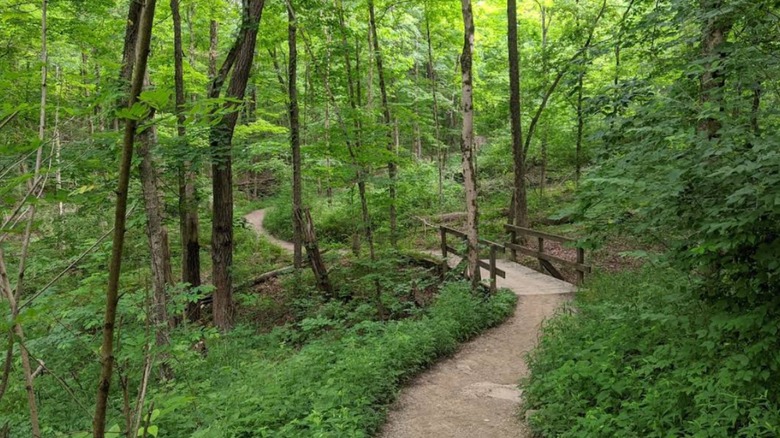
Finally, Miami Whitewater Forest has numerous trails that are perfect for hiking, biking, or horseback riding. That said, the park doesn't have its own equestrian center, so you'll have to bring your own horse. Overall, there are six non-horse trails, so you have plenty of options. The shortest is the Oakleaf Trail, which covers about half a mile and is easy to moderate. The longest is the Shaker Trace Outer Loop, which runs for almost 8 miles and takes you through multiple environments and ecosystems.