
This Major California Rail System Could Face Shut Downs, Leaving Travelers With Fewer Transit Options
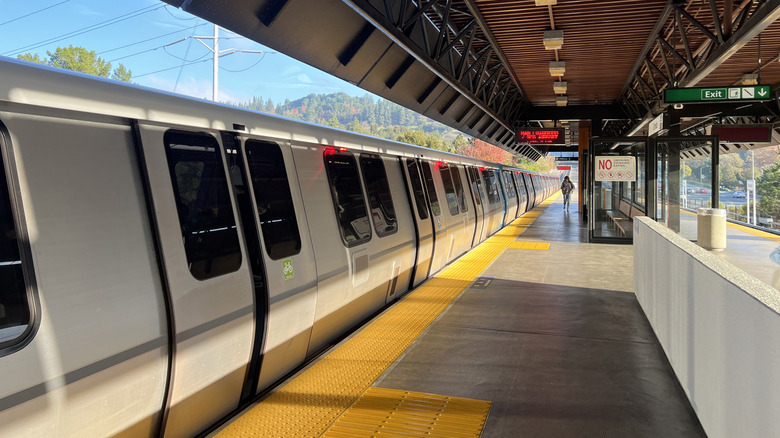
Good public transportation can make a city more livable. Instead of the hassle of sitting in traffic and yelling at that guy who just cut you off, you can read, nap, or even get some work done during your morning and evening commutes. However, with so many people working from home these days, fewer riders are taking the Bay Area Rapid Transit (BART) trains in Northern California. Depending on what happens in the November 2026 local elections, that could mean drastic cuts, leaving travelers with fewer options. (If you're not familiar with the Bay Area, it's named for San Francisco Bay, and includes cities like Oakland, the foodie capital of the country, San Jose, Berkeley, as well as the industrial region known as Silicon Valley.)
According to a post on the BART website, the pandemic and the shift to remote work caused a major drop in ridership and, in turn, revenue. Pandemic-era funding is expected to run out in 2026. While some cuts have already been made, additional reductions could include station closures, fewer trains, higher fares, and earlier closure times. The site says, "Without new funding, BART may not be able to sustain even reduced service for more than one or two years." To put the drop in ridership in perspective, the agency reports that 118 million riders in fiscal year 2019, before the pandemic, compared with 52.7 million in fiscal year 2025.
What could be cut if BART isn't funded
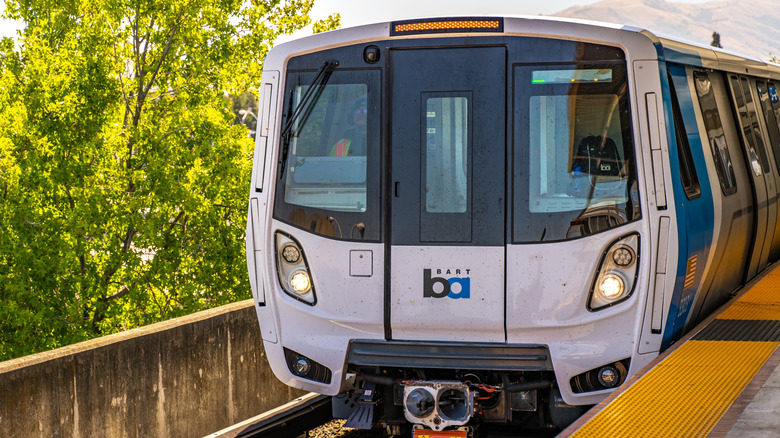
Senate Bill 63, expected to go before voters in November 2026, proposes a 0.5% raise in sales tax in Alameda, Contra Costa, San Mateo, and Santa Clara counties, and a 1% raise in San Francisco, according to CBS News. If it doesn't happen, up to 15 of the 50 stations could close. Service could end at 9 p.m. daily, rather than the current midnight closure time. Fares could rise by around 30%, and there could be around 1,200 employee layoffs. Parking fees would likely go up as well.
One user on Reddit's r/transit says, "Closing 30% of stations, increasing headways, and ending service at 9pm would send BART into a death spiral. There needs to be a serious restructuring of how BART is funded, it should never come to this. But in the meantime, pray that SF passes the sales tax measure." Beyond limiting choices, reduced access to public transit can disproportionately affect lower-income residents, making it harder to get to work. Earlier shutdowns would limit late-night travel options as well.
Depending on where you're traveling, there may be other modes of transportation to try. For instance, if you're visiting on vacation, you can look into the luxe commuter bus between San Francisco and Berkeley, take rideshares, or consider renting a car. Finally, if the bill doesn't pass and the closures happen, you may want to check out this clever public transportation app to find other options when you visit.