
What's Alaska's Easiest National Park To Get To?
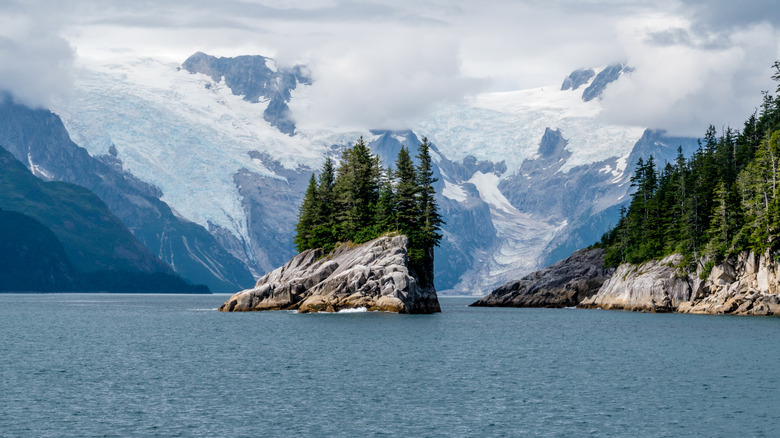
Alaska's eight national parks really drive home the state's nickname, "The Last Frontier." Of the eight, you can only drive to three — the rest can only be reached by boat, plane, or some good old-fashioned foot trekking. And of the three you can reach by, southwest Alaska's Kenai Fjords National Park particularly stands out for its comparatively easy access.
A convenient location is mostly to thank for this. In the vastness of the nation's largest and least-visited state, driving distances can quickly get very long, but a road trip from the capital city of Anchorage to Kenai Fjords National Park is only about two and a half hours. It's even accessible by train in a 4.5-hour ride from Anchorage, though you'll then need private transportation or a tour from the gateway town of Seward to reach the park. Navigating within the park is also unusually simple by Alaska standards. It's possible to drive to major trailheads, and the park's water-based attractions are easy to explore on commercial boat tours that depart from Seward.
While many of Alaska's more remote parks involve intensive planning and excellent outdoor skills to navigate, Kenai Fjords offers something closer to the Lower 48 park experience most visitors will be more used to. It's grand, rugged, and wild, but doesn't demand an all-in commitment to enjoy. And although Denali and Wrangell-St. Elias National Parks are both road-accessible, they require a much longer drive from Anchorage and are harder to move around in once you arrive, making Kenai Fjords the clear winner for ease of access.
Kenai Fjords National Park impresses with abundant wildlife and expansive ice fields
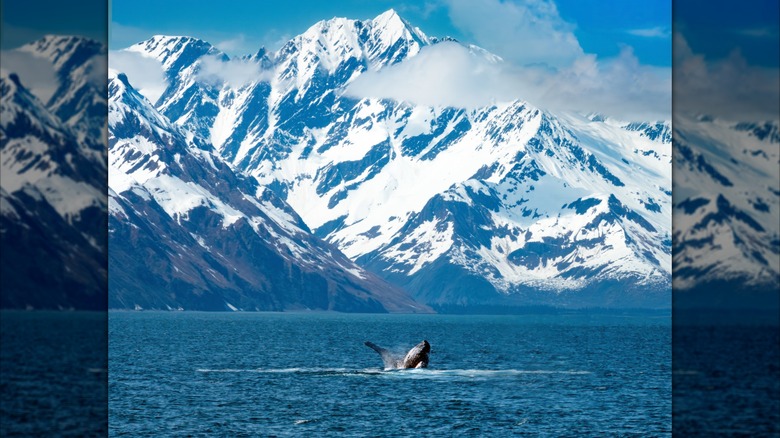
Don't make the mistake of thinking that being more easily accessible than some other Alaskan parks makes Kenai Fjords any less impressive. On the contrary, it's home to some of the most breathtaking icy landscapes and wildlife sightings in Alaska, noted for its massive icefields, dramatic glacier-carved fjords, and rich, thriving marine ecosystem. On land, glaciers are the star of the show. The park's Harding Icefield is among America's largest, spanning over 700 square miles, and the focal point of the 8.2-mile Harding Icefield Trail. This trail is very strenuous but doable as a day hike for the experienced hiker — no backcountry trekking required. If that still sounds intimidating, know that a variety of shorter trails in the Exit Glacier area offer much more accessible glacier views.
A comprehensive visit to the park requires getting out on the water, too. The park's fjords and Resurrection Bay area are home to six species of whales, including humpbacks and orcas, as well as seals, sea otters, dolphins, and porpoises, all of which make wildlife-watching cruises a popular park activity. These cruise tours also afford excellent opportunities to view glaciers from the water. The especially adventurous can also explore the park's fjords by kayak, though it is best to do so with a guide if you're not an expert.
That said, although the park is always open, not all of these experiences are possible year-round. Winter activities like snowmobiling, dogsledding, and cross-country skiing are available in the park when the main road to Exit Glacier closes for the season, but hikes and most boat tours will be seasonally suspended at those times. Most visitors plan to arrive in June, July, and August for the best weather conditions and availability of park activities.