
Between Tampa And Fort Myers Is Florida's Underrated State Park For Hiking And Wildlife Watching
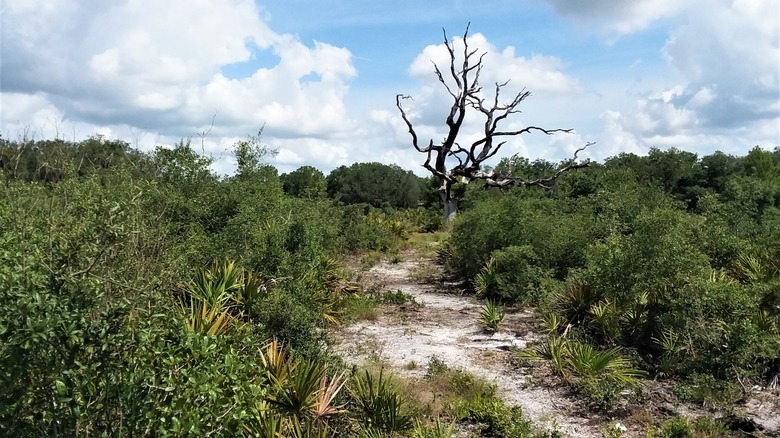
In a quiet corner of Manatee County sits an underrated state park with pristine Old Florida scenery. Wingate Creek State Park, part of the Beker Properties, is situated a little over an hour southeast of Tampa and 90 minutes north of Fort Myers. The park is quite small, taking up just 614 acres of Southwest Florida scrub land that also features flatwoods and wetlands. However, the wide-open vistas make the park feel bigger than it actually is, leaving you unsure if you have truly seen everything in just one visit.
Wingate Creek is not as well-known as the massive Myakka River State Park, which sits nearly an hour to the south, nor is it packed with amenities like the nearby Lake Manatee State Park, which sits 12 miles to the west and also manages the park. However, Wingate Creek makes up for this with rugged hiking trails, as well as diverse wildlife and wildflowers that make up the landscape of the park. Unlike its nearby counterparts, you don't even have to pay a dime to enter the park. Plus, it's just under an hour's drive from Sarasota–Bradenton International Airport, making it an easy day trip.
Wingate Creek is a park teeming with wildlife
The one thing that you'll notice once you enter Wingate Creek is how secluded the park feels, much like the nearby Little Manatee River State Park. Because of its primitive nature, the park's landscape allows for a day of wildlife viewing that's unspoiled by modern amenities and crowds. Within the park, you'll encounter a wide range of animals that call Wingate Creek home, from Sherman's fox squirrels to gopher tortoises, the latter of which are one of the park's endangered species. The tortoises can burrow up to 10 feet deep into the earth and can spend nearly 80% of their time within the burrows. Not only do the burrows provide shelter for the tortoises, but they also offer protection for other animals within the park. To keep the tortoises from dying out, the park has instituted methods to keep their environment intact, such as removing sand pines in the area. Additionally, since Wingate Creek's ecosystem is dependent on fire, experts are occasionally brought in to start controlled fires that help restore it.
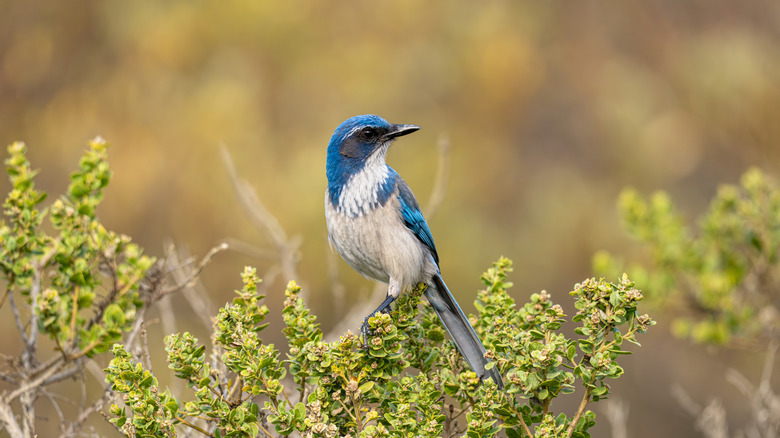
While visitors will definitely want to see the gopher tortoises, Wingate Creek is also a prime location for bird watchers. You'll see a variety of woodpeckers that occupy the park, from the red-headed woodpecker to the eastern towhee. Another bird that makes its home in the park is the Florida Scrub-Jay, which is similar to the blue jay and is native to the state. The same prescribed fires that are essential for keeping the environment of Wingate Creek maintained have also resulted in the growth of wildflowers within the park. Fall is a great time to visit the park to see them in full bloom. One of the flowers that brings a dash of color to the park's flatwoods is the Florida bonamia, a rare flowing vine that's also an endangered species.
A sandy trek through Wingate Creek's scrub land
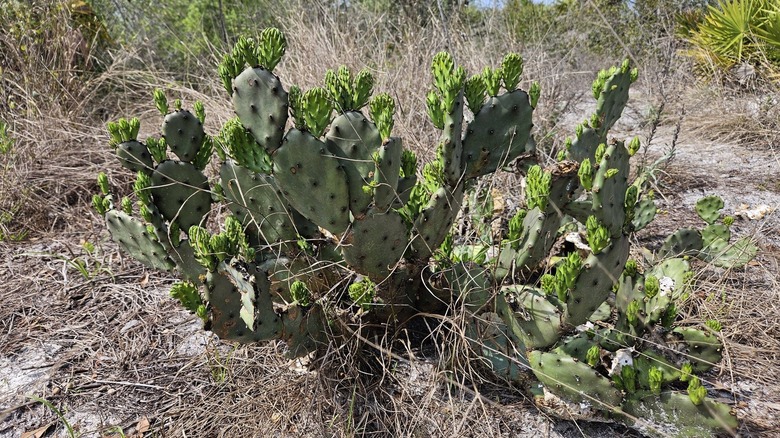
Wingate Creek has 4 miles of trails that wind through scrubby flatwoods and wetlands. The three trails that cut through the park are the Sugar Sand Loop, the Sunshine Trail, and the Old Pine Way, and each trail is made up of white, sandy pathways that will take you past the dry scrub that makes up the park's terrain. The trails are lined with diverse plant life such as hog plums and palmettos, as well as Florida rosemary, a bush-like plant that you'll only find in dry scrub environments. Florida rosemary, not to be confused with the herb of the same name, is an important part of Wingate Creek's ecosystem, with several bug species depending on the plant for its survival.
As you hike near the park's eastern border, just a little way off the trail, you'll see the park's namesake, Wingate Creek. Starting at the southern end of Duette Preserve, Wingate Creek meanders 7.4 miles south and goes through the park as it makes its way to the Myakka River. The creek meets the Myakka at the southern end of the park, and it can be a good rest point for hikers. The wide-open nature of the park can present a challenge, as there is little shade on these hikes. If you're planning to visit the park, make sure you have a good hat that provides protection from the sun. The park opens every day at 8 a.m., so you'll want to get here early to have a pleasant walk within the park. While Myakka River State Park is a place to enjoy nature, Wingate Creek is where you come to study it.
To experience another state park with a similar landscape, check out the Allen David Broussard Catfish Creek Preserve, located about 90 minutes away from Wingate Creek in Central Florida.