
Florida's Deepest Lake In The Everglades Is Full Of Wildlife Between Fort Lauderdale And Naples
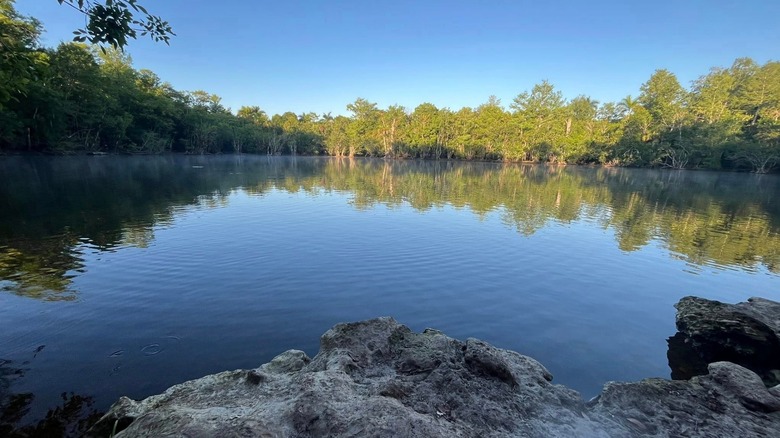
The Big Cypress National Preserve sweeps across the southern end of Florida for almost 730,000 acres, serving as an important part of the Greater Everglades ecosystem. Designated back in 1974, this sprawling patch of swamplands stands out for being the first national preserve to ever be established in the country. It's also a safe habitat for rare wildlife, including the endangered Florida panther, and is a vital resource for the surrounding lands, feeding fresh water into the neighboring Everglades National Park. As if the place could get any more special, it's also home to the deepest lake south of Lake Okeechobee – the aptly named Deep Lake – per the National Park Service.
The scenic natural pool is a rarity in Florida because most of the state's lakes are pretty shallow, largely because the region is so flat. Take the aforementioned Lake Okeechobee — according to the Florida Fish and Wildlife Conservation Commission, Okeechobee is the largest lake in the state, covering more than 700 square miles. But despite its sprawling size, it's only about 9 feet deep. Deep Lake, on the other hand, stretches down for about 90 feet. You'll find the nearly abyssal waters just off State Road 29 on the west side of the Big Cypress National Preserve. The protected area sits about an hour from both Naples and Fort Lauderdale, making it an easy day-trip destination from either city.
Gators, panthers, bears, and more near Deep Lake
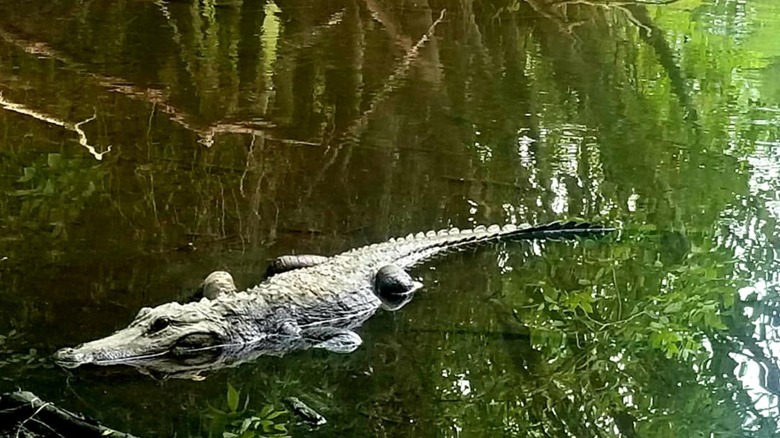
Deep Lake has a history as storied as its name suggests. The spring-fed body of water is actually a natural sinkhole, much like some of the other deepest lakes you can visit in Florida. The lake was formed ages ago when groundwater slowly dissolved the limestone rock underneath, causing the ground to collapse into a water-filled void visible today. The lands around Deep Lake once served as agricultural and transportation hubs in their heyday, housing everything from a grapefruit grove to a railroad. Thanks to ongoing restoration efforts, they're now filled with all kinds of cool flora and fauna.
Take in the views of the lush greenery and do a bit of wildlife watching as you hike along the Deep Lake Trail. The 1.6-mile out-and-back makes for an easy walk through the thick trees and out to the lake. According to the National Park Service, more than 190 species of birds and dozens of types of fish live in the preserve around Deep Lake. You'll likely see some wading birds and flying fish at the lake, as well as a slew of alligators. "Feels like you're in the jungle," one hiker shared on AllTrails. "Sinkhole at the end feels like a different world! Lots of gators!" The Big Cypress National Preserve also ranks among Florida's most snake-packed waters, so keep your eyes peeled for them, too. And though it's not a common occurrence, you might see the elusive Florida panther or black bear strolling through the park. Needless to say, keep a safe distance if you spot either.
Things to know before visiting Deep Lake
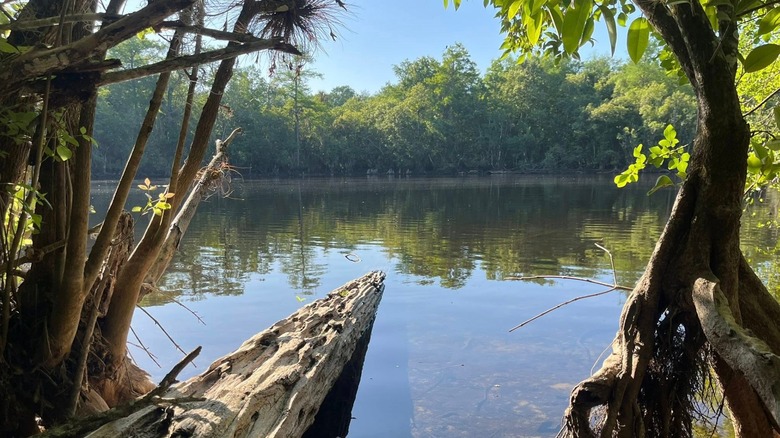
Before trudging out to Deep Lake, there are a few things to note that should help make your trek more enjoyable. For starters, you're going to want to choose the right footwear for your aquatic adventure. The trail out to the sinkhole lake can get a bit muddy, so you may want to consider opting for waterproof hiking shoes, as well as pants to protect your legs from the scrubby terrain. Also, be on the lookout for any unruly tree roots, rocks, or other natural debris that may be blocking the path so you don't trip and fall. Don't forget to wear sunscreen and plenty of bug spray, too.
It's also worth mentioning that the Big Cypress National Preserve is completely free to enter. However, some activities and amenities require a fee, such as scheduling a guided tour or reserving a spot at one of the park's RV-friendly campgrounds. The Burns Lake Campground on the south side of the preserve is only about 20 miles from Deep Lake. It's pretty small, with just over a dozen campsites circling a little lake. They're open seasonally, so be sure to snag a spot when reservations become available, usually by mid-July. Once you're done exploring, consider checking out the jaw-dropping Naples Botanical Garden for more impressive flora, as it spans 170 acres and is filled with all sorts of colorful plantlife.