
How Greece's 'Untrodden Beaches' Rules Will Affect Tourists In 2026
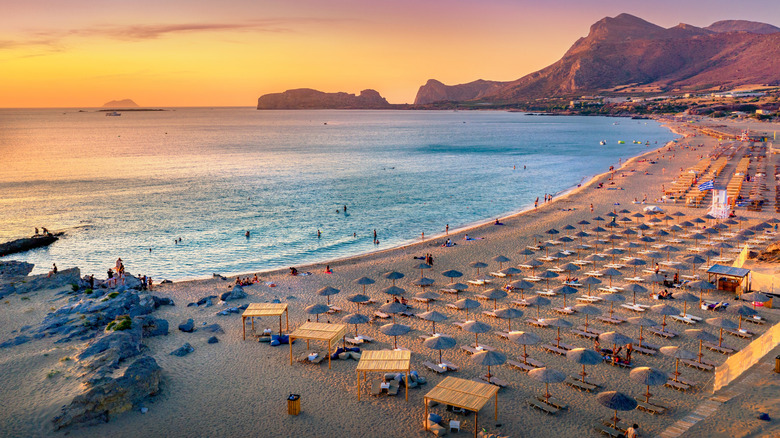
Greece has long been known as having some of the best beaches in the world. In fact, in 2026, Tripadvisor users voted three beaches on Greece's largest and most idyllic island as some of the best worldwide, with Crete's Elafonissi, Balos, and Falassarna named #2, #3, and #11, respectively. But in April 2026, all three were included among the 13 additions to Greece's list of "untrodden beaches," which will (theoretically) have a significant effect on tourists and locals alike.
In 2024, the Greek government created a list of 198 "untrodden beaches" (or "apatites paralies" in Greek) to address concerns about environmental conservation and over-tourism. These beaches have significant ecological value, as many are home to endemic flora and fauna, migrating birds, and endangered loggerhead sea turtles, or have unique geologic features, which is why they're so popular. But that popularity has become like a hydra, sprouting more and more beach chairs and umbrellas the more that people visit. Many commercial businesses run unchecked in these places and even aggressively stop people from laying their towels out near their chairs.
These now 251 untrodden beaches are subject to regulations limiting the number of sun loungers and umbrellas or banning commercial activity, such as bars, restaurants, and water sports. It's an attempt not only to protect these environments, but to address the frustration of locals (and tourists), who are being kept out by exorbitant prices on privatized beaches. Although Greece currently has one of the lowest average salaries in Europe, the rate for a pair of sunbeds on some beaches is about $130, leading many to protest these practices, which is partly what led to this initiative to begin with. The list now includes beaches on Milos, Naxos, Lesbos, Corfu, and more, and you can find the full list here, although it's currently only available in Greek.
How the regulations for Greece's untrodden beaches will impact your visit.
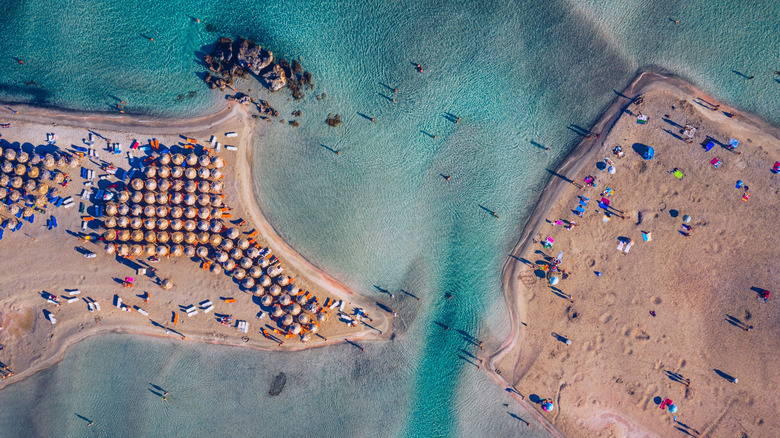
The main concern with untrodden beaches is protecting their ecosystems, as many are part of Europe's Natura 2000 network. These are areas around the E.U. that have been deemed particularly threatened or unique and therefore in need of stronger protection and conservation. The E.U. regulations for the Natura 2000 beaches strictly limit concessions, sunbeds, and umbrellas. The Greek regulations, which were amended in 2026, primarily address the issue of ecological protection, while also dealing overcrowding that has turned some of Greece's best beaches into wildly disappointing experiences.
Untrodden beaches must be 70% free from sunbeds, although those in the Natura 2000 zone must be 85% free. No new permanent structures like hotels or restaurants can be constructed and non-permanent objects like tables, chairs, loungers, and umbrellas will have to be removed. Essentially, commercial enterprises will be limited or banned, so there will no longer be any rentals for water sports or activities (and no, that doesn't mean you can BYOBanana boat either).
Vehicles will not be permitted to drive onto these beaches and gatherings of over 10 people are prohibited. Music can't be played from speakers or amplifiers, so you can enjoy the sound of the sea instead of experiencing a slow death of your spirit after listening to beach lounge and smooth jazz covers of classic rock and pop songs for five hours under the hot Mediterranean sun. Despite these regulations, there are certain allowances though. Mobile and trailer-mounted canteens can still operate and businesses with existing contracts are allowed to keep operating until their contracts expire.
How will these regulations be enforced?
The MyCoast app was released in order to keep businesses in check on untrodden beaches. People can use the app to check the contracts of commercial businesses and report violations (named or anonymously). Anyone can use the app, although it's in Greek and you need Taxisnet credentials or Greek tax ID to make a named report. Serious violations reported on the app can incur fines and closures.
But perhaps the question isn't how these regulations will be applied, but rather, will they? 97% of Greeks believe that corruption is widespread in the country (the highest percentage in Europe). So, perhaps not surprisingly, a 2024 report by the Hellenic Court of Audit found that the oversight of these untrodden beaches is rarely administered. Fines are delayed by years (if imposed), shut-down businesses continue to operate, and checks are done by hand rather than with drones that can more accurately see a business' spread on the beach.
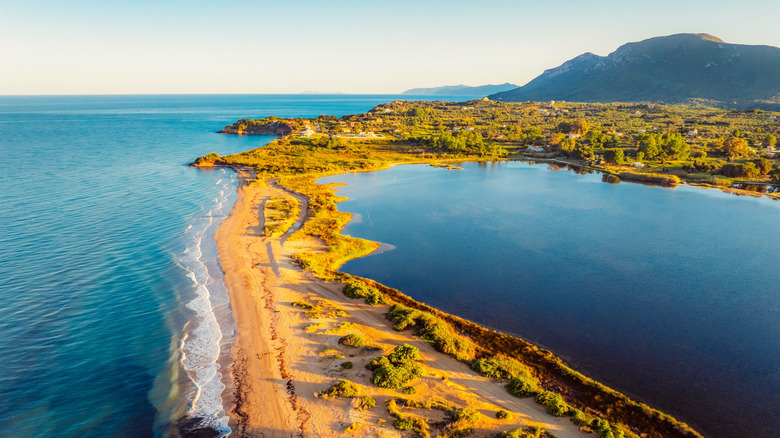
On Tripadvisor and Reddit threads about the subject, some users note that the beaches that have had these rules for a few years haven't seen any changes, while others say that nepotism and corruption will prevent regulations from being enforced anyway. With beaches like Kastro on the under-the-radar island of Lefkad with secluded beaches, Halikounas on Corfu, Vienna on Crete now added to the list of untrodden beaches, it remains to be seen whether these changes will be applied or not. However, it's best to prepare for these beaches to now be unorganized, so bring your own shade, food, and bags to clear out trash. You can also check the status of a beach by looking up recent posts by tagged location or check discussions on Tripadvisor, Reddit, or Google Reviews.