
Florida's Free Nature Preserve In Orlando Is A Stunning Getaway With Butterflies, Tortoises, And Trails
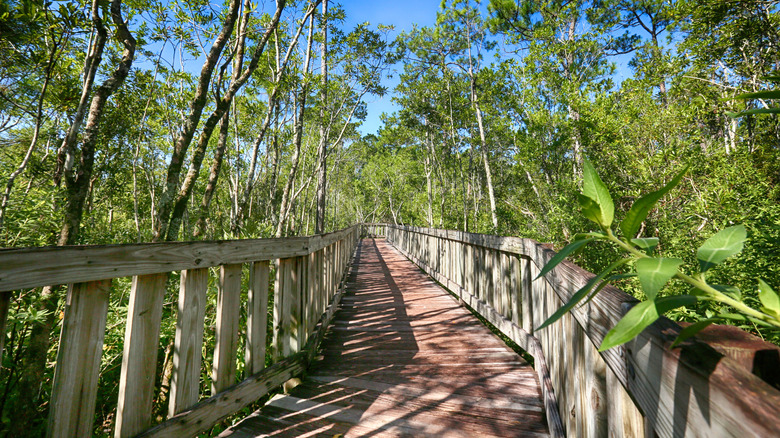
Because of its theme parks (ahem, Walt Disney World) and countless strip malls, you might think of Orlando, Florida, as all asphalt, crowds, and high prices. It's easy to forget that much of Central Florida is swamp, untouched by human development. Actually, there's a surprisingly easy-to-reach spot to get a taste of the wilder side of Orlando, closer to the theme park side of the city than you'd think — the Tibet-Butler Nature Preserve is about a 15-minute drive away from Disney's Magic Kingdom, containing nearly 440 acres of Florida's natural, cypress-speckled scenery. Plus, it's free to visit.
Among the Tibet-Butler Nature Preserve's habitats you'll find sawgrass marsh, pine flatwoods, and mixed forest wetland. Several trails, which reviewers frequently describe as peaceful, let you wander among these habitats, with the potential for some wildlife sightings. "The trails are well-maintained and easy to follow ... It's a great spot to get away from the city for a while and connect with nature," one Google Reviewer writes. The preserve is also home to the Vera Carter Environmental Center, which has numerous live animal exhibits, including a butterfly garden and tortoises.
Exploring the trails of the Tibet-Butler Nature Preserve
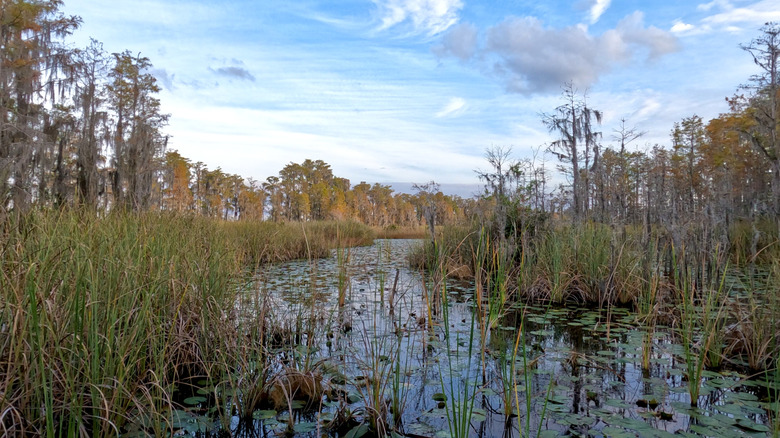
If you're looking for incredible things to do around Orlando other than visiting Disney World, taking to the trails of the Tibet-Butler Nature Preserve is a solid option. A preserve map lists six marked trails interconnected through the Tibet-Butler Nature Preserve. They're generally quite short in length, ranging from a couple hundred yards to just over a mile, though their scenery is abundant. On the Fallen Log Crossing Trail, you'll follow a boardwalk over a bay swamp, where you might spot some tortoises. The Osprey Overlook Trail is fruitful for wildlife viewing. Its namesake overlook sees over Lake Tibet, where past visitors have seen ospreys, alligators, and even otters. If you want to take a longer stroll through the park, connect the Fallen Log, Tarflower Loop, and Osprey Overlook trails.
You'll find some benches spaced out along the trails to rest at and watch for wildlife. Many reviewers have noted that the trails can be muddy, so it's a good idea to wear shoes that will protect your feet from getting swallowed in the muck. There will also be mosquitoes, so bug spray is smart to have on hand. Aside from the muddy spots, the trails are generally flat and suitable for beginner hikers.
The Tibet-Butler Nature Reserve's environmental center
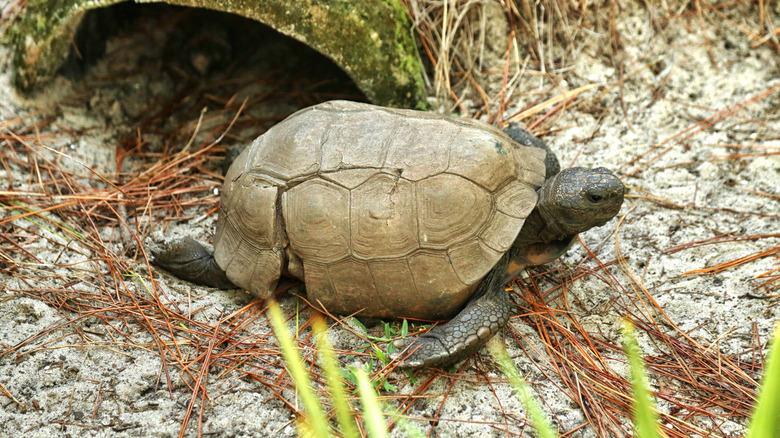
One of the highlights of the Tibet-Butler Nature Reserve for visitors is its Vera Carter Environmental Center, and not just because it has restrooms. The Center has lots of interactive exhibits and live animal displays, including alligators and tortoises. Per the map, there are three tortoise areas where the animals roam in large enclosures. You'll find gopher tortoises that are native to the Florida area, as well as a rarer sulcata variety from North and Central Africa. Just outside the center is also where you'll find the reserve's butterfly garden.
Among some of the butterflies that it brings in, you might see a zebra longwing (Florida's state butterfly) or a Gulf fritillary, according to the Great Florida Birding and Wildlife Trail's website. The Tibet-Butler Nature Reserve is, in fact, a stop along this multi-site wildlife trail, which links places that are especially valuable for Florida's birds and butterflies. The reserve could be a worthwhile addition for an itinerary focused on the free Great Florida Birding and Wildlife Trail parks, alongside gems like the Cedar Point Environmental Park, a nature park with more trails and family fun.
Otherwise, you can make the Tibet-Butler Nature Reserve a short outdoorsy outing from Downtown Orlando, from which it's around a 30-minute drive. If you come in the summer, plan to go early, since the Florida heat combined with the swamp's humidity can be brutal at midday. Even though the trails are short, it's good to know the best ways to avoid heat stroke when hiking outdoors in high temperatures.