
The Return Of The Staycation: Why This Great Recession Travel Trend Is Making A Comeback In 2026

I created a vacation plan for my son's spring break, and I thought it would be simple: Hop an Amtrak train in Providence, Rhode Island, chug down to the nation's capital, see some sights, then do an overnight in New York City on the way back. Four days, three hotel rooms, and a trio of train trips. This was my 12-year-old's first real visit to both cities, and I looked forward to classy meals, museum visits, and a Broadway show.
But like so many Americans in 2026, I soon pared back our vacation plans. At the time, budget Amtrak tickets for the trip could easily cost around $1,000 total, and bus fares weren't much better, so I resigned myself to 16-plus hours of driving in the family Impreza. Most hotel prices in the District of Columbia were at least $200 per night, so we booked a grungy motel in Arlington, Virginia. We visited only the (free) Smithsonian museums. Most of our meals were basic: grocery store runs and fast-casual grub. In total, the trip cost around $800.
Now, only a couple of months later, I would probably opt for a "staycation," a break from work to explore the area around my home. Staycations became a trend in 2008 during the Great Recession and have now reemerged with current economic hardships. The U.S. war with Iran has intensified, and the national average gas price exceeds $4.50 per gallon at the time of this writing. The high price of household goods has caused ongoing anxiety since COVID, and the growing expense of natural gas has racked up utility bills. According to a recent CNN poll, 76% of Americans say their biggest economic problem is the cost of living, while travel prices are surging. Just recently, Spirit, the major budget U.S. airline, shut down, leaving travelers with fewer options. In light of all this, I will likely spend this year even closer to home, as will a growing number of would-be travelers.
Travel in 2026: A perfect storm
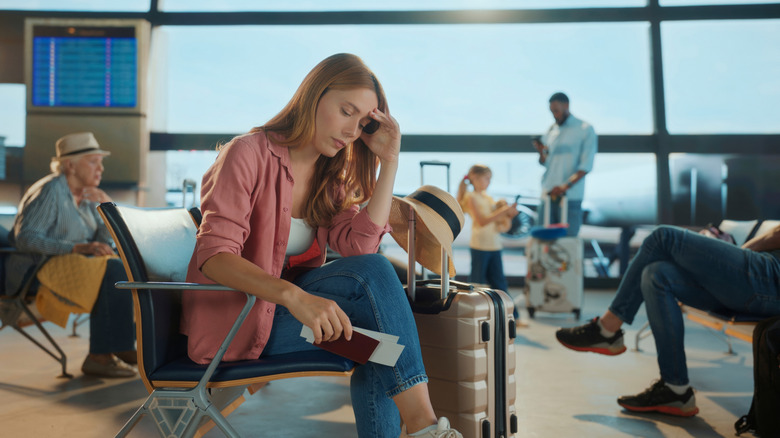
To be fair, I've never found domestic travel in the U.S. to be easy or budget-friendly. A 2024 study found that hotel rooms cost an average of about $160 per night, and are often more expensive at popular vacation destinations. The nation is vast, which means there's a lot to explore; yet travelers are often limited to the options of flying or driving. But that doesn't mean either of these is affordable or pleasant: Global unrest and rising fuel prices are hitting airlines hard. Airfares surged 21% in four months in 2026, so even a domestic flight feels decadent. Even if you're willing to pay, there are at least 13 additional reasons the airport experience itself has gotten worse in recent times.
Then there's just bad PR. Both before and since the mass firing of federal employees, including Federal Aviation Administration air traffic controllers, a number of headline-grabbing crashes and near-misses have hurt public confidence in air travel. A partial government shutdown and Transportation Security Administration staffing shortages led to long lines, and the persistent flight delays and cancellations in 2026 have led to tension in the concourse. I'm sure several million Americans will enjoy cross-country vacations this year, but given all the potential expense and inconvenience, millions more may wonder whether distant beaches or amusement parks are worth the hassle. I love a far-flung journey, but several wars and a strong potential for global recession are serious business — far more serious than my plans for a summer vacation.
The timeless value of staycations (and how to make the most of one)

Here's what I consider the good news: Staycations can be wonderful, especially in uncertain times. And for most people, it doesn't just mean "staying home." It can be as simple as exploring nearby attractions you've never considered, taking a day-trip to a nearby city, or exploring your hometown the same way an out-of-towner would.
There are lots of places I've never visited close to my home in Providence: The Mashantucket Pequot Museum, with its world-class Indigenous exhibits and 185-foot-tall observation tower, is only an hour from my house, yet I had never heard of it until recently. I recently biked the Cape Cod Canal (also an hour away), a path I haven't tried in several years, and followed it to the Heritage Museums & Gardens, another institution I never knew existed. I recently slurped a bowl of chicken pho soup in Springfield, Massachusetts and took the Amtrak train to Hartford, Connecticut; all of these things were new to me.
Then there are familiar things I plan to do in a new way: Rhode Island is full of creeks and coves, and I plan to rediscover them on a new stand-up paddle board. I've driven to Newport, Rhode Island many times, but I have never taken the seasonal ferry from Providence; I expect Narragansett Bay to look very different from its top deck. Even as I walk around my own neighborhood, I look for new facets of the community I never noticed, like a less-trafficked Little Free Library, or an overlooked food truck.
Staycations are always a worthy exercise, even without global pandemics or economic doomsaying. Close-to-home excursions help us count our blessings, support local institutions, and enrich our appreciation for community. This summer, I'll take some good advice from my Islands colleague Nicole Cord-Cruz on the best way to plan a meaningful staycation I'll never forget. And as I bike around town or try a new eatery, I'll let myself daydream about more jet-setting trips. After all, dreams are free.