
Stop Booking Chain Hotels: A Smarter Way To Experience Local Culture On Vacation
You've pinpointed your vacation destination, secured your plane tickets, and are facing the question that can make or break the entire travel experience: where should you stay? For many, a chain hotel's consistency trumps the unknown — you know what you're walking into, and for someone fresh off the plane in a foreign country, there is comfort in the familiar. But sometimes, comfort gets in the way of experiencing a city's local culture — the very thing that 77% of travelers are looking for, according to Booking.com's Travel & Sustainability Report 2025. So when it comes to seeking authenticity while on vacation, the verdict is in: booking boutique is simply the smarter way to go.
So you're probably thinking: what's wrong with the comfortable, dependable, and familiar? Nothing, per se — if predictability is what you're after. But according to a Growth Trends and Forecast report by market research website ReAnIn, 45% of global travelers are opting out of bland hotel rooms and elevator Muzak in favor of the personal touches and bespoke aesthetics that boutique accommodations or smaller hotels offer. And millennials and Gen Z travelers are leading the charge, often on a quest for casual service and stylish, photogenic spaces.
The chain hotels' biggest selling points are also their biggest caveats. Hotel franchises in Paris or Thailand are simply architectural copy-pastes of each other. With hotel chains often planted in ultra-touristy spots or business districts, travelers find themselves much closer to a Starbucks rather than a craft coffee shop in a quieter corner of the city. And while the urge to rack up loyalty points with each stay is understandable, it reduces the whole vacation to a quest for rewards, not experiences.
Here's how boutique hotels deliver on local culture

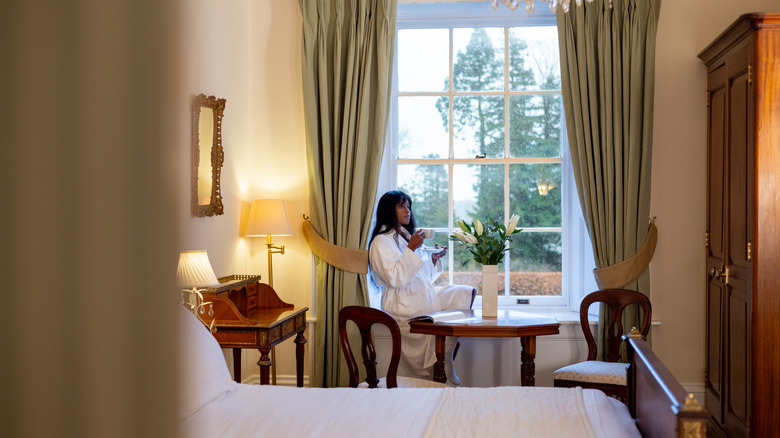
Boutique hotels run the gamut from classic to themed to micro-boutique — and even offer stays for the budget-conscious. Typically operating on a smaller, tighter scale than behemoth, branded hotels, boutique stays are marked by personalized attention, unique interiors, and low-key locations. "There's a heightened focus on quality, connection, and sustainability — areas where boutique hotels tend to shine," Salt & Wind Travel co-founder Kristen Kellogg told lifestyle magazine Sunset.
So, how exactly do boutique or small hotels deliver on the cultural aspect? While a big-chain hotel concierge might suggest a restaurant that's all over TikTok, boutique hotel staff give you insider information on where locals actually eat— delivering authenticity in both flavor and atmosphere alike. With fewer guests to attend to, that same staff has the time and inclination to engage in conversation, turning generic small talk into a genuine interaction. There are also the hotels that lean into sustainability — a huge draw for travelers looking to minimize their environmental footprint while abroad.
Distinctive locations also play a huge part in the boutique hotel appeal. Nestled in an up-and-coming neighborhood, these stays can give guests an exclusive pass to the beating heart of a city's cultural scene — local haunts and homegrown shops included — and funnel tourism money back into local businesses. Meanwhile, staying in a family-owned, tourist-friendly island resort can feel less like checking in and more like being welcomed into someone's home. And for the culturally inclined traveler, there are boutique hotels to book for a whiff of genuine historical character, be it a historic 18th-century Lake Como villa or a late 19th-century New England inn close to sandy beaches.