
Between Las Vegas And Death Valley National Park Is The Mojave Desert's Largest Oasis Full Of Wildlife
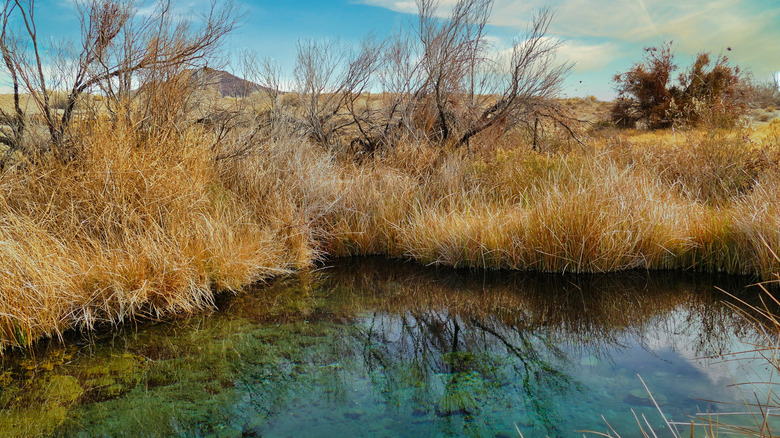
The arid Mojave Desert may not be the first place you'd expect to see a rare fish species, but the desert may surprise you. Ash Meadows National Wildlife Refuge, tucked away in the sun-baked desert between Las Vegas and Death Valley National Park, is the only place in the world with a naturally occurring population of a particular kind of endangered pupfish. It's just one example of wildlife you might spot if you make the trek to the desert's largest remaining oasis, which is one of the most biodiverse places in North America.
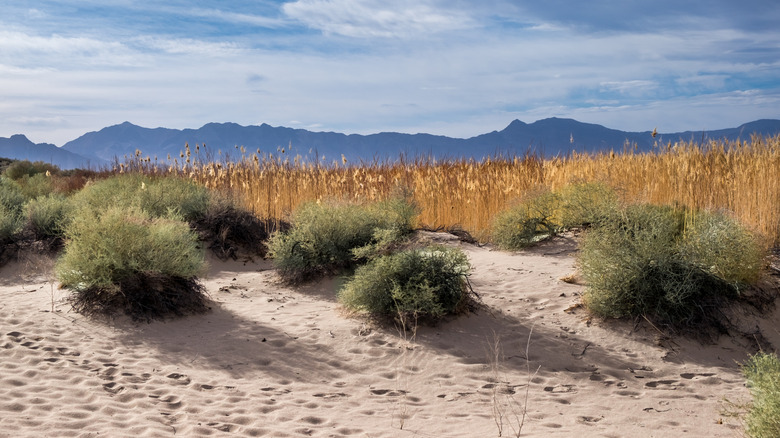
Located outside Pahrump, Nevada, the 24,000-acre reserve is managed by the U.S. Fish and Wildlife Service (USFWS). Amid dune fields and groves of mesquite and ash trees, the latter of which the park is named after, the desert oasis features ancient spring systems that foster a rich diversity of wildlife. The refuge is so impressive that it was one of the first places in the U.S. to be designated a Ramsar site by UNESCO, meaning it's a wetland of international importance.
See rare wildlife at Ash Meadows National Wildlife Refuge
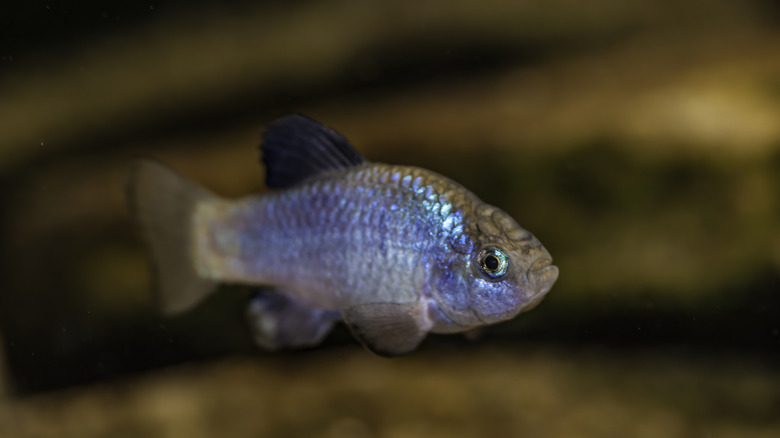
One wildlife viewing highlight at Ash Meadows National Wildlife Reserve is Devils Hole, a hidden desert sinkhole that serves as a natural habitat for the Devils Hole pupfish, the "smallest and rarest pupfish in the world," per the USFWS. While the water-filled cavern is technically part of the surreal Mars-like landscapes of Death Valley National Park, it's within the bounds of Ash Meadows National Wildlife Refuge. The water is calm, carbonate-rich, and, yes, quite hot: The natural pool's temperature stays consistent at 93 degrees Fahrenheit throughout the year. The tiny blue fish feed on algae and micro-organisms on a rocky shelf inside the cavern, which is surrounded by a protective fence. Bring binoculars to look for pupfish from the Devils Hole viewing platform, located about a 3.5-mile drive from the Visitor Center.
For a more easily accessible pupfish viewing spot, try the boardwalk that leads from the Visitor Center to Crystal Spring. The mile-long path has shaded picnic areas and ash trees along the way. Two other interpretive areas where you could see pupfish, Point-of-Rocks and Longstreet Spring, feature wheelchair-accessible boardwalks and restrooms. The Point-of-Rocks Boardwalk, which leads to a freshwater spring called Kings Pool, also has a shaded picnic area where you can take a break from the sun.
Plan a day trip to Ash Meadows National Wildlife Refuge
Endangered pupfish may be a top attraction for wildlife enthusiasts visiting the park, but there's plenty more to see around Ash Meadows National Wildlife Refuge. Point-of-Rocks is a good place to see bighorn sheep, and throughout the refuge, it's not uncommon to come across birds such as Cooper's hawks, owls, spotted sandpipers, wood ducks, and red-winged blackbirds.
Lizards are easily spotted on the park's boardwalks in spring, though they mostly retreat to shady areas in the most sweltering months of the summer. According to the USFWS, the coolest time to visit the park in summer is in the early morning, and the hottest time is between 4 and 5 p.m. The website notes that the best times to visit are in spring and fall. The park's ash trees come alive with color in fall, and visitors sometimes see bobcats. And in winter, steam rises from the oasis springs on colder mornings, creating a beautiful natural spectacle.
Ash Meadows National Wildlife Refuge is free to visit and open year-round from sunrise to sunset. It's day-use only, but since the refuge is only about a 90-minute to two-hour drive from Las Vegas, it's easily visited on a day trip. You can pick up picnic supplies on the way in at Albertsons, one of several grocery stores in Pahrump. On the drive back to Vegas, consider an easy detour to the Corn Creek area, a lush oasis in the Desert National Wildlife Refuge that offers an escape from heat and crowds.