
Forget Florida, Retire To This Tax-Friendly North Carolina Gem With Stunning Beaches And Seafood Restaurants
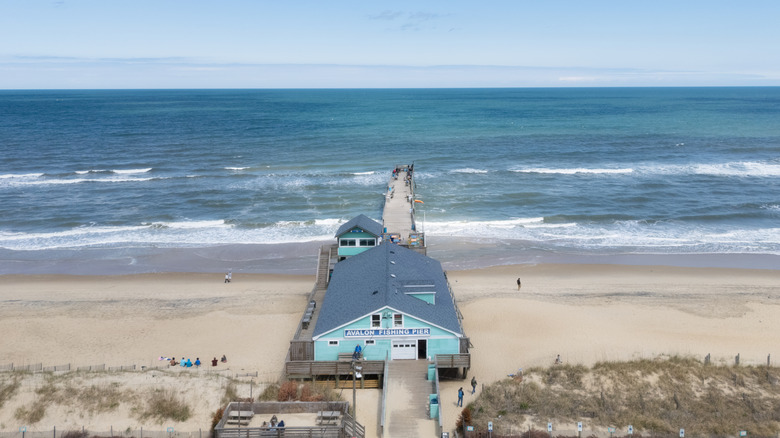
Florida has long been considered one of the best places to retire in the United States, if not the best. However, rising costs, scorching summers, and an influx of spring-break travelers have led many retirees to avoid the Sunshine State as a place to settle down. Some are discovering that other destinations offer the same perks at a slower pace and with fewer big-city stressors. One such place is the Outer Banks.
The Outer Banks stretches for more than 100 miles along North Carolina's coastline, connecting a series of barrier islands from Carova to Ocracoke. Many of its beaches have a naturally laid-back feel, with stilted oceanfront homes hidden by rolling dunes covered in swaying grasses. Classic wooden fishing piers stretch into the Atlantic, while remote beaches north of Corolla are home to wild Colonial Spanish Mustang horses roaming the sand. The Outer Banks also has a big seafood dining scene. Fresh local shrimp, crab, and fish are staples at many locally owned restaurants in the region.
But for retirees, the Outer Banks offers much more than stunning views and great food. The overall cost of living there is generally lower compared to Florida, partly because North Carolina offers senior tax advantages. The state does not tax Social Security benefits, and property taxes are often lower than in other comparable regions. While living at the beach is rarely inexpensive, many Outer Banks communities offer a more manageable coastal lifestyle that's perfect for retirees with set budgets and expectations.
The Outer Banks is a haven for seafood lovers
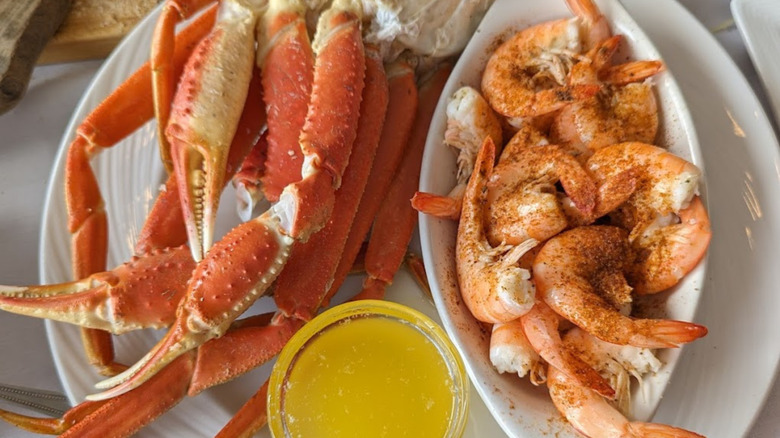
Seafood plays a major role in everyday life in the Outer Banks. Throughout the seasons, fishermen pull in a wide variety of fish, including bluefin tuna, king mackerel, soft crabs, and flounder. The region also has a program called Outer Banks Catch, which helps restaurants source local seafood on their daily menus. So, after a relaxing day at the beach, retirees and vacationers alike can choose from countless restaurants serving up these fresh local catches.
One popular option is Outer Banks Boil Company, a family-owned seafood boil company with five locations along the North Carolina coast that offers catered seafood boils and ready-to-steam pots customers can prepare at home. Buxton Munch Company on Hatteras Island — a secluded coastal village with small town vibes — is another sought-after option known for "the very best fish tacos on the Outer Banks," according to one reviewer. However, it's worth noting that the restaurant is small, with only six tables and a lunch counter. Additionally, it's only open between April and November. For those seeking dinner with a view, Tale of the Whale is a family-owned and operated establishment in the chic North Carolina getaway known as Nags Head that has been open for 47 years. There, customers can enjoy fresh seafood like snow crab legs and whole stuffed Maine Lobster while looking out across the Roanoke Sound.
What retirees should know before moving to the Outer Banks
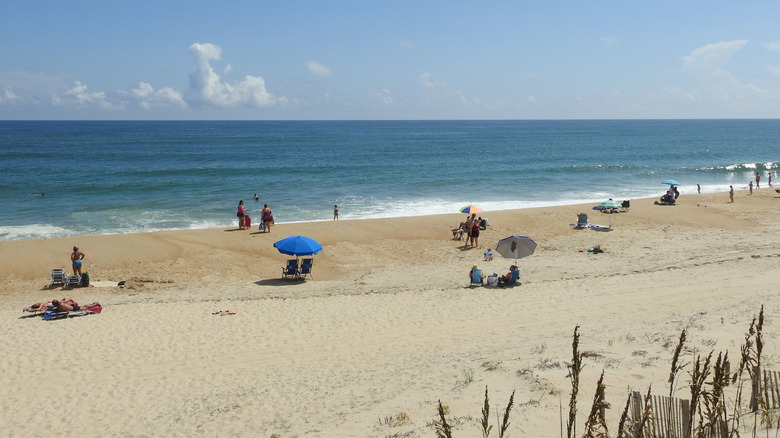
Just because the Outer Banks is a great place to slow down, that doesn't mean there aren't things to do. Residents and visitors alike can take part in a myriad of activities year-round. For example, the Kitty Hawk Woods Reserve offers kayaking and paddleboarding surrounded by diverse wildlife and bald cypress trees. While there are plenty of vacation rentals and hotels up and down the coast, Cape Hatteras National Seashore is also one of North Carolina's best spots for RV camping. Two out of its four campgrounds are open year-round and offer sites for tents, trailers, and RVs between $20 and $35. If you prefer to catch your own dinner, cast a line off of one of the region's eight piers or charter a boat from one of the many marinas along the coast. It's worth noting, however, that anglers must obtain a recreational fishing license beforehand.
The weather is another major reason draw to the Outer Banks. Winters are mild compared to much of the Northeast, with average temperatures reaching the low 60s in November and mid-50s in December. Spring also comes relatively early in the Outer Banks. By April, temperatures can range from the low 50s to the mid-60s, creating comfortable conditions for walking along the beach and other outdoor activities. Fall is also pleasant, with cooler temperatures usually not arriving until later in November. However, like many coastal regions in Florida, storms are a concern in the Outer Banks. From June 1 to November 30 is hurricane season, though some longtime residents say proper preparation helps make the risks feel more manageable. As one Reddit user wrote, "We don't worry much with hurricanes. That fear is often overblown. A well-constructed house will handle a Cat 3."