
Between Cleveland And Youngstown Is A Scenic Ohio Nature Preserve For Hiking Trails And Birding
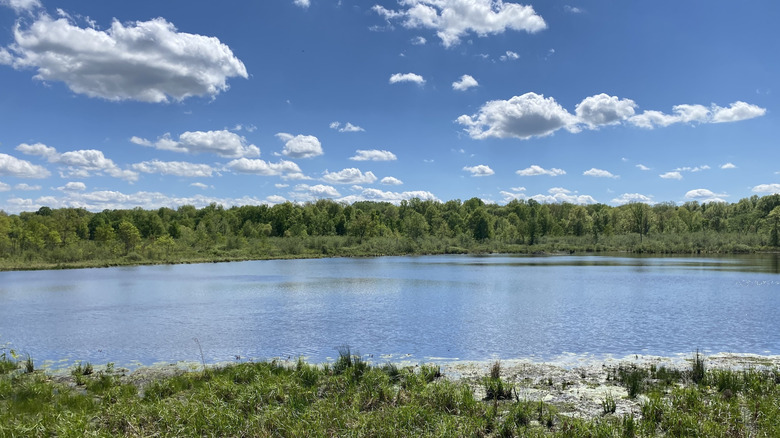
Northeast Ohio is abundant with woodlands. In fact, 30% of the state is covered in forests, including Eagle Creek State Nature Preserve, which is located 47 miles east of Cleveland and 31 miles west of Youngstown. In April 2026, the preserve celebrated its 50th anniversary. Since the mid-1970s, the Division of Natural Areas and Preserves has utilized the area to protect one of the state's most sensitive nature zones. Eagle Creek is home to leisurely trails set within native Ohio woodlands and flower beds, and it is considered a hotspot for finding the state wildflower, the large-flowered trillium. In fact, Eagle Creek was specifically pointed out as a notable destination for trilliums by Ohio Magazine.
Located an hour northeast of Canton and the Akron-Canton Airport, Eagle Creek's trails are beautified by marsh marigolds and violets that are only a few of the many types of flowers to be found. The park also began offering guided wildflower hikes in April 2025. Wildflowers are abundant in the spring, marking a perfect time for visitors in Ohio to drop in. Considering such diverse flora, these grounds are a welcome destination for those taking photos or conducting nature studies.
There are a few things that guests should be aware of — the trails open half an hour before sunrise, there are no public restrooms, and pets are not allowed on the trails. Visitors also should take care, since this area is oriented around the protection of the rare plants and animals that call it home. Those details aside, Eagle Creek is a relaxing destination for anyone who enjoys hiking trails and birding.
Enjoy a scenic walk along trails at Eagle Creek
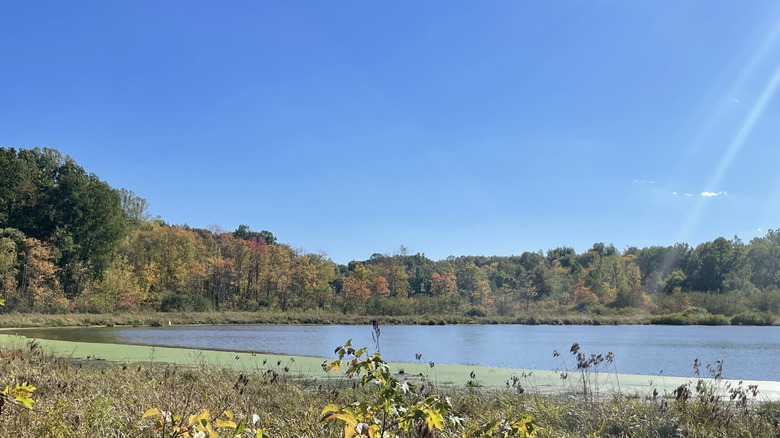
Eagle State Creek does not allow overnight camping, unlike other parks in the state. Quail Hollow Park, a scenic Ohio park southwest of Akron, is better suited for those seeking overnight stays. Alternatively, Eagle State Creek Preserve is best for those who enjoy day trips and walks in protected natural environments.
Guests have more than 3 miles of trails to look forward to during a day trip. You can hit the Beaver Run Trail first. Running for 2.5 miles, the trail is the longest to be found. Its southern route leads to a dead end at Eagle Creek, but the northern route leads to a smaller walking loop. Those heading north will notice a change in environment as they encounter bogs and wetlands before embarking upon the Club Moss Trail, which forms a 1.5-mile circle alongside Beaver Pond.
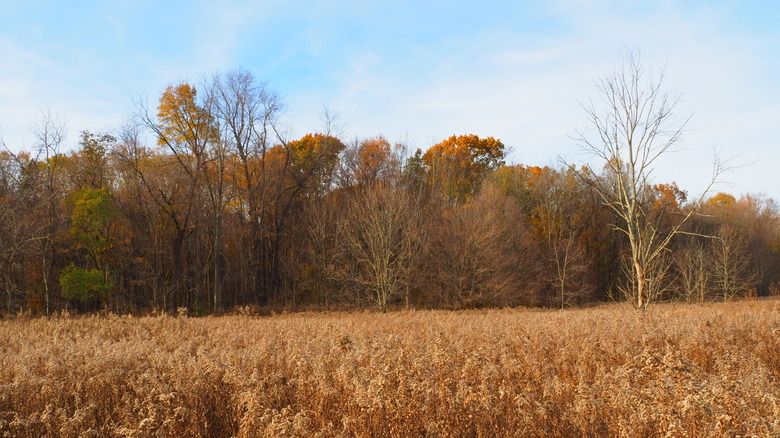
Trees border the trails, including beeches, maples, white oaks, and rare yellow birches. Other features include wetlands, such as the swamps close to the Club Moss Trail. Beaver dams are also prominent in the area, and so are wildflowers and ferns. Guests can also find large cranberry and winterberry holly along their walks. Visitors are reminded to remain on the trails, which close half an hour after sunset. While the preserve is a day-trip destination only, the grounds remain easily accessible from Cortland. Half an hour east of the Eagle Creek, this Ohio city has the same sense of peace, thanks to its position along Mosquito Creek Lake.
Participate in a birding experience at Eagle Creek
Ohio is a state with many bird watching destinations, such as fellow natural site Howard Marsh Metropark, a spot that is perfect for premier birding. Like the Metropark, Eagle Creek State Nature Preserve is rife with wetlands. These shallow water areas near the floodplain forests are part of a moist environment that contrasts with the drier white oak woodlands found elsewhere on the grounds. Species such as the great egret prefer watery territory, whereas the least flycatcher gravitates toward shrubs and bushes.
Those hoping to catch sight of local birds can use the Beaver Run and Club Moss trails as guides through the park. Some of the most common birds in the preserve are warblers, including the cerulean, bay-breasted, blackburnian, chestnut-sided, and black-and-white warbler. In addition to warblers, you are also quite likely to see Acadian flycatchers at Eagle Creek.
However, these are not the only birds to be found among the trees and brush. Other iconic birds range from the field sparrow to the scarlet tanager and American redstart, among many more. Bird spotters may be able to spot some species from the wildlife observation tower located within the park.