
The Most Colorful City In America Is A Vibrant Southern Hub With European Charm
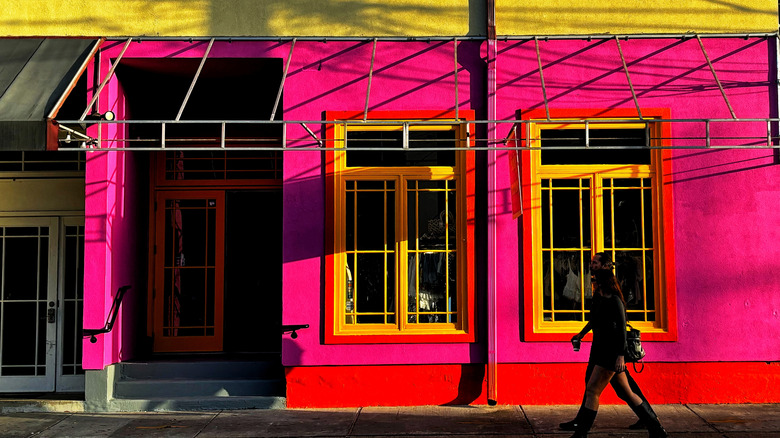
Some cities are known for their colorful auras, as travel photographers and tourists flock to places boasting brilliant facades and equally vibrant cultures. In a 2026 study, travel insurance company JustCover ranked the most colorful cities in the world, and while the top spots are held by destinations in Europe, Asia, and South America, the most colorful city in the United States is New Orleans. This result may not be too surprising, considering the Crescent City is a vibrant hub in the South with a rich European heritage.
To determine the most colorful places in the world, JustCover curated a list of famously prismatic cities and analyzed photos from each one to identify unique colors throughout the destinations. These numbers helped create an overall vibrancy score. New Orleans ranks as No. 9 among the top 30 cities, with 1.7 million unique shades and a vibrancy score of 67.1 out of 100. The top three cities in the world, in order, are Lisbon, Kuala Lumpur, and Porto, all of which have well over 2 million unique hues.
Walking down the streets of New Orleans, there's a palpable energy in the air that is perhaps influenced by the bright colors surrounding visitors. New Orleans boasts a diverse mixture of heritages that have shaped the city into a bustling Southern hub, including (but definitely not limited to) African, Caribbean, Spanish, and French cultures. Vibrant shades are prominent in architectural and symbolic uses within these cultures, which have helped New Orleans stand out from other urban centers in the U.S. Whether you're admiring elegant pastels in the French Quarter or blinding neon lights from the city's never-ending nightlife, a trip to New Orleans will never be dull.
New Orleans has a colorful, European-influenced culture
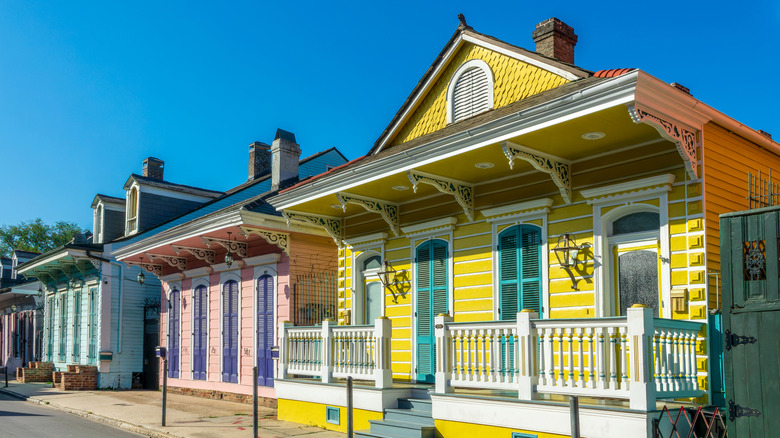
No mention of New Orleans vibrancy is complete without unpacking the shades in the city's French Quarter. Contrary to its name, much of the architecture in this area is actually Spanish in origin, featuring tiled rooftops, cast-iron balconies, and pastel blue, yellow, and terracotta facades common in the Iberian Peninsula. Creole cottages boast brightly painted, square brick exteriors along St. Ann Street in the Quarter (pictured). Some of these historic buildings have been turned into inns and short-term rentals, so you can stay in the colorful heart of the city.
At night, the color show continues in the French Quarter along Bourbon Street, Louisiana's most famed road, with unique entertainment. Neon bar signs illuminate the historic buildings, while jazz melodies and an excited buzz from visitors fill the air. If you want to venture beyond the touristy areas, you can find more colorful buildings in neighborhoods like the Irish Channel, Marigny, and the Garden District, which boasts lavish mansions and unique architecture.
The city's European charms extend beyond just architecture, as many culinary and cultural traditions from the Old World have been woven into Louisiana's unique heritage. Beignets are classic NOLA staples, while Cajun cuisine is a fusion of French and Spanish cooking techniques, along with Native American and African influences. Mardi Gras is synonymous with New Orleans and marks the end of Carnival, a celebration in January and February with Roman and Catholic roots. Carnival is widely celebrated in Europe, the Caribbean, and the Americas, but New Orleans' Mardi Gras festivities are unique to the city, introduced to the state by French settlers in 1699. During Mardi Gras, you can expect even more explosions of color, specifically purple, green, and gold, which signify justice, faith, and power, respectively. In fact, New Orleans is considered one of the best places in the world to celebrate Carnival.