
America's Worst City For Spring 2026 Allergies Is A Pacific Northwest Gem With An Ironic Nickname
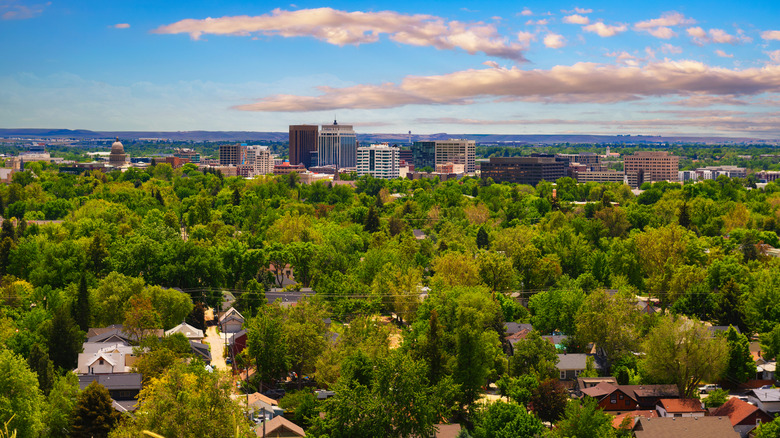
In some places, "fresh spring air" might double as a forecast for potential sneezing fits. The same trees that make a city street beautiful on a sunny May afternoon can also make it nearly impossible to see that view clearly for the allergy-prone visitor whose eyes water from irritation. Every year come pollen season, the Asthma and Allergy Foundation of America (AAFA) names the U.S.'s most allergy-triggering cities, highlighting places where you're most likely to get the longest-lasting and most intense symptoms. For 2026, ranking No. 1 in the study is Boise, Idaho, the underrated Pacific Northwest city that's also a top foodie destination. Ironically, Boise's nickname is the "City of Trees" because of its lush, tree-filled landscape. That same abundance of greenery contributes to the region's allergenic reputation.
The AAFA Allergy Capitals report based its 2026 ranking on three factors: how much pollen each city produces, allergy medicine sales, and allergist or immunologist availability. The data was sourced from Pollen Sense, LLC Automated Particulate Sensors, the Circana Medication Sales Database, and the Komodo Healthcare Map, respectively. It ranked the 100 most populous cities in the 48 contiguous states. Boise came out on top, followed by San Diego in second place, and Tulsa, Oklahoma, in third. Interestingly, Boise was one of the best cities for people with allergies in 2025, ranking in 95th place. The AAFA attributes its leap to the worst to a mix of an extended pollen season and fewer available allergy specialists in the city, though its root causes run deeper.
Boise is the City of Trees (and the city of pollen)
To some extent, Boise looks like the perfect spring travel destination. It's a bit of an oasis in the otherwise quite arid plains around it, with the Boise Foothills framing the city views. According to This Is Boise, early arrivals to the area (fur trappers in the 19th century) called the area "boisé," a French word meaning "wooded." Given that the city's very name stems from its trees, the abundance of oaks and birches (two of the worst trees for allergies) may not be surprising. The city has leaned into its tree identity even more with its City of Trees Challenge, which aims to plant a new tree in the city for every local household.
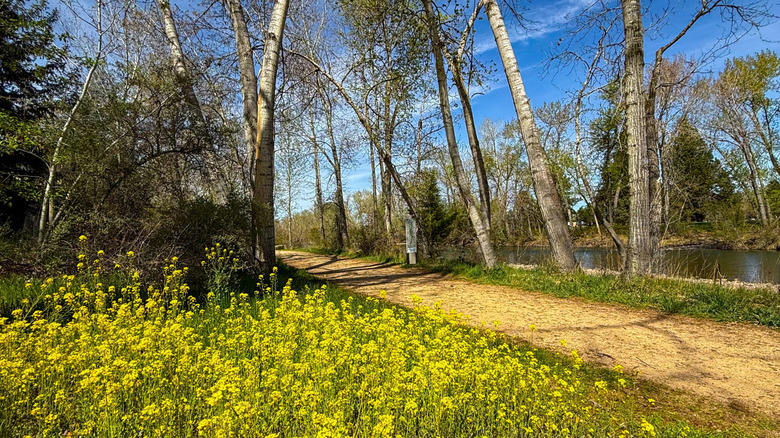
The trees of Boise make up some of its most beautiful spots. There's the Boise River Greenbelt, for example, a riverside pathway full of majestic cottonwoods, or the pretty tree-lined streets of the historic North End neighborhood. The plus is that the city gets lovely scenery and less pollution; the tradeoff, for those with allergies, is more exposure to pollen in the spring.
Why is the pollen season getting worse in Boise?
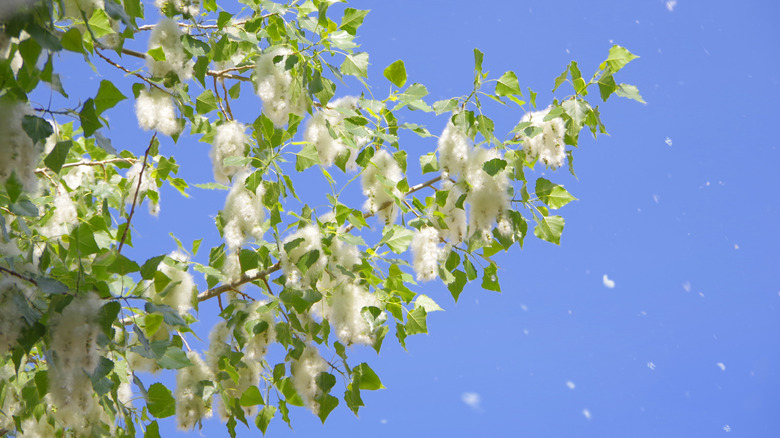
Even if you consider all the trees in Boise, that doesn't explain why the city jumped in the allergies ranking so drastically for 2026. To get to the root of this change, you have to look at the broader ecosystem the trees are part of. The AAFA study notes how atmospheric rivers — streams of vapor that move from the ocean inland — bring rain and humidity into the city, causing plants (including trees, which Boise has a plethora of) to bloom earlier, produce more pollen, and have longer pollen seasons. In 2025 (the year for which AAFA drew its data from), Boise was at the receiving end of particularly intense atmospheric rivers, accelerating the usual plant growth cycle and contributing to increased pollen.
But why have atmospheric rivers — which are normal for the Pacific Northwest — thrown off the ecosystem now? According to an article published by Eos, atmospheric rivers are intensifying because of climate change. As the Earth gets hotter, more moisture is carried through the air. Researcher Duane Waliser told NASA that atmospheric rivers will get 25% larger by the end of the century, leading to 50% more storms and rainfall. Following the same logic, it will continue to worsen the pollen seasons and, therefore, allergies.
With that said, if you're planning a trip to the City of Trees and are prone to allergies, you may want to push your trip to a different time of year than spring. According to Pollen Count & Alerts, the typical pollen season in Boise goes from late February to October. Visiting around the end of pollen season in the fall could be a good choice, since Boise boasts vibrant fall foliage without the crowds.